# Unknown Toyota Minivan EV Claim Raises More Questions Than It Answers
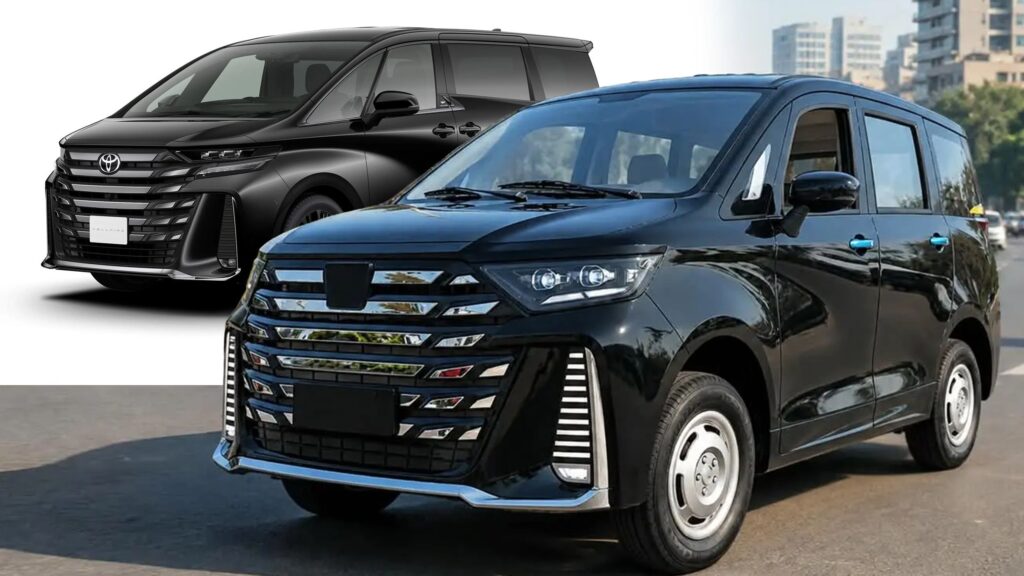
An Unknown Toyota minivan-styled electric vehicle rated at just 5 HP has surfaced in a headline, and the claim collapses under even light scrutiny. No manufacturer confirmation exists. No regulatory filing backs it. No press release from Toyota mentions anything matching this description. Moreover, the power figure sits far below any road-legal passenger EV sold in the United States today. Therefore, readers should treat this report as unverified until Toyota or a government agency confirms otherwise.
What the Unknown Report Actually Claims
The headline describes a Toyota-badged minivan body style paired with an electric powertrain producing 5 HP. That number deserves immediate context. The slowest new EV currently sold in America, the Dacia Spring equivalent aside, still delivers well over 100 HP. Even neighborhood electric vehicles (NEVs) governed to 25 mph typically produce 10 to 20 HP. Consequently, a 5 HP rating suggests something closer to a golf cart, a micro-delivery quadricycle, or a Japanese kei-class municipal vehicle than a family hauler.
Toyota has invested heavily in hybrid and hydrogen technology while slowly expanding its bZ electric lineup. However, nothing in the company’s public roadmap mentions a low-output electric minivan. Furthermore, the automaker has not filed any EPA certification, NHTSA documentation, or CARB paperwork matching this description. Without those filings, no US buyer can legally register such a vehicle for road use.
Why a 5 HP Figure Changes the Story
A 5 HP electric motor produces roughly 3.7 kilowatts of output. For comparison, a typical electric golf cart runs 3 to 5 HP. Therefore, this specification points toward a low-speed application rather than highway travel. Japan’s kei-car regulations permit tiny electric commercial vehicles in certain municipalities. Similarly, China’s low-speed EV segment includes minivans with outputs in this range. Neither category translates to a US-market passenger vehicle.
Interestingly, similar unverified claims have circulated before. Our coverage of the [BMW i3 range claim](https://driveglobalnews.in/bmw-i3-range-claim/) examined how a single number without documentation can mislead buyers. The pattern repeats here. One figure, no source, no confirmation.
What Toyota Has and Has Not Confirmed
Toyota representatives have said nothing publicly about a 5 HP minivan EV. The company’s recent electric announcements focus on the bZ4X, the upcoming bZ Woodland, and next-generation battery technology promising longer range. None of those programs involve minivan body styles or sub-10 HP drivetrains. Therefore, the headline likely conflates a concept, a patent illustration, or a non-US market vehicle with a production announcement.
Allegedly, the vehicle could reference a Japanese-market delivery van or a mobility scooter program. However, no documentation supports even that interpretation. Until Toyota issues a statement, files regulatory paperwork, or shows a concept at a major auto show, the claim remains unverified. Buyers should also note that no pricing, no EPA range estimate, and no availability timeline accompany this report. That absence of data matters more than the headline itself.
Frequently Asked Questions
Q: Is Toyota really building a 5 HP electric minivan?
There is no official Toyota confirmation, press release, or regulatory filing supporting this claim. The 5 HP figure appears unverified and likely refers to a low-speed or non-US-market vehicle rather than a conventional passenger EV sold in America.
Q: Can a 5 HP EV legally drive on US roads?
No. A 5 HP rating falls far below any US-market passenger EV minimum. Such low output typically applies to neighborhood electric vehicles, golf carts, or utility shuttles, which face strict speed and road-use restrictions in most states.
Q: What should buyers do while waiting for official details?
Wait for a Toyota press release, EPA range filing, or NHTSA documentation before making any decision. Without confirmed pricing, range, or availability, treating this rumor as a real buying opportunity would be premature and potentially costly. For more details, check our recent coverage on Citroen 2CV EV: Affordable Electric Revival Explained.
What Buyers Should Do Now
Option One: Wait for official confirmation. If Toyota announces a minivan EV, the company will publish specifications, pricing, and a launch timeline through its normal channels. Until then, treat every number in this report as unverified.
Option Two: Evaluate actual alternatives. Shoppers wanting an electric family vehicle can consider the Kia EV9, the Volkswagen ID. Buzz, or the Tesla Model X. Each offers confirmed specifications, verified range figures, and available inventory today. Moreover, our report on [Kia’s EV discounts](https://driveglobalnews.in/kia-ev-discounts-10000-off/) shows real savings on confirmed products.
Option Three: Monitor regulatory filings. The EPA and NHTSA publish certification data before any vehicle reaches US dealers. Therefore, a genuine Toyota EV minivan will appear in those databases months before launch. Until that happens, the Unknown Toyota minivan EV with 5 HP remains a headline without a vehicle behind it.