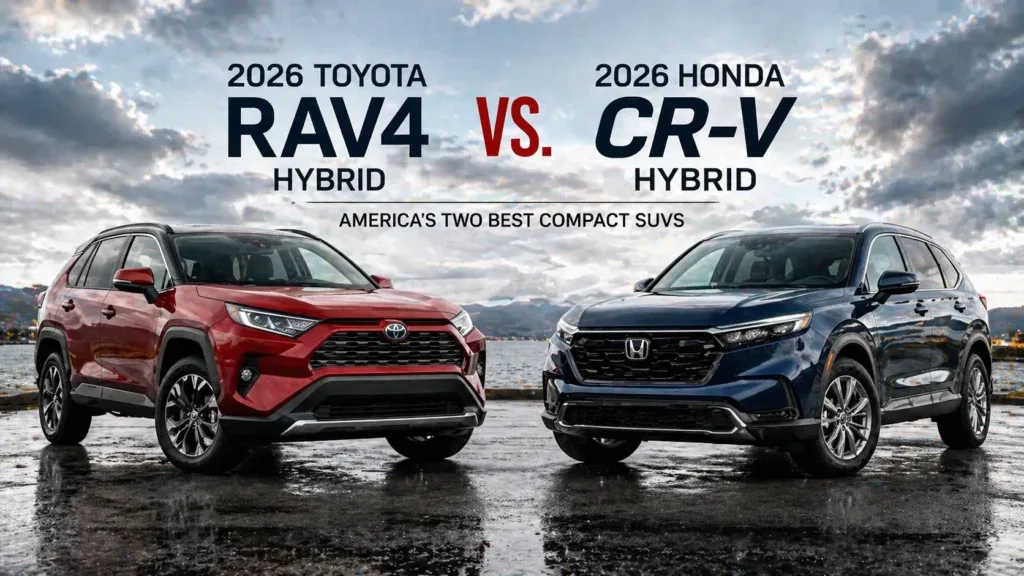
That answer is lazy in September 2026.
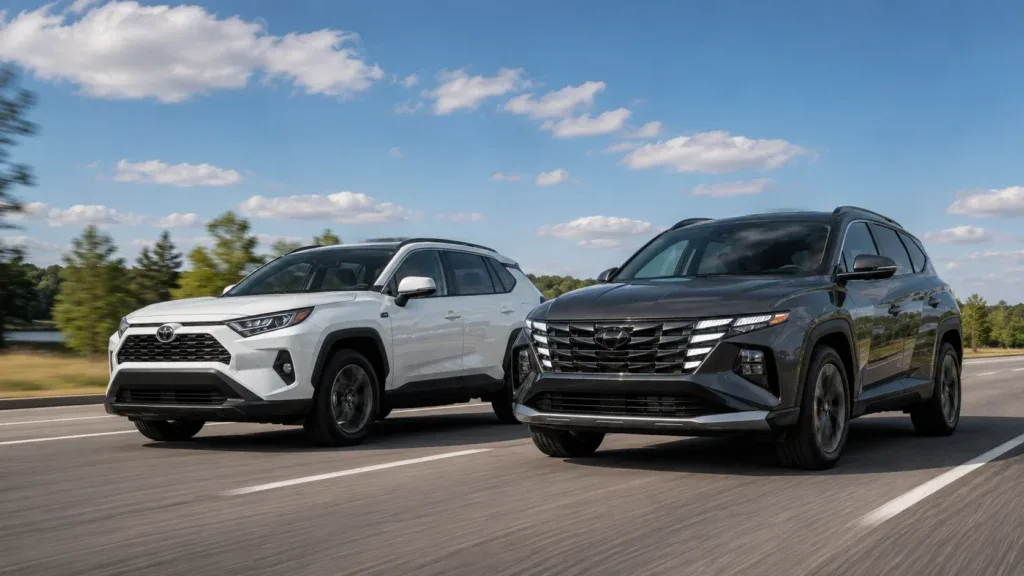
Toyota redesigned the RAV4 into a hybrid-only lineup. Front-wheel-drive LE starts at $33,350 with destination. EPA says 43 mpg combined on FWD, 40 on AWD. Allocation still evaporates in under three weeks. Factory cash is basically a rumor. You wait, or you pay sticker, or you take whatever color is left.
Hyundai put a 231-horse 1.6-turbo hybrid in the Tucson, added a cheaper FWD SE at $32,550 with destination, and left room on the invoice. Blue SE AWD is $34,050 and 38 mpg combined. Most other AWD Tucson Hybrids sit at 36. Dealers have been attaching $2,000-class hybrid cash and 0% windows that Toyota will not match.
The war is not “which logo lasts 200,000 miles.” The war is which compact hybrid you can buy this month without financing a waiting list.
Price and the Lot
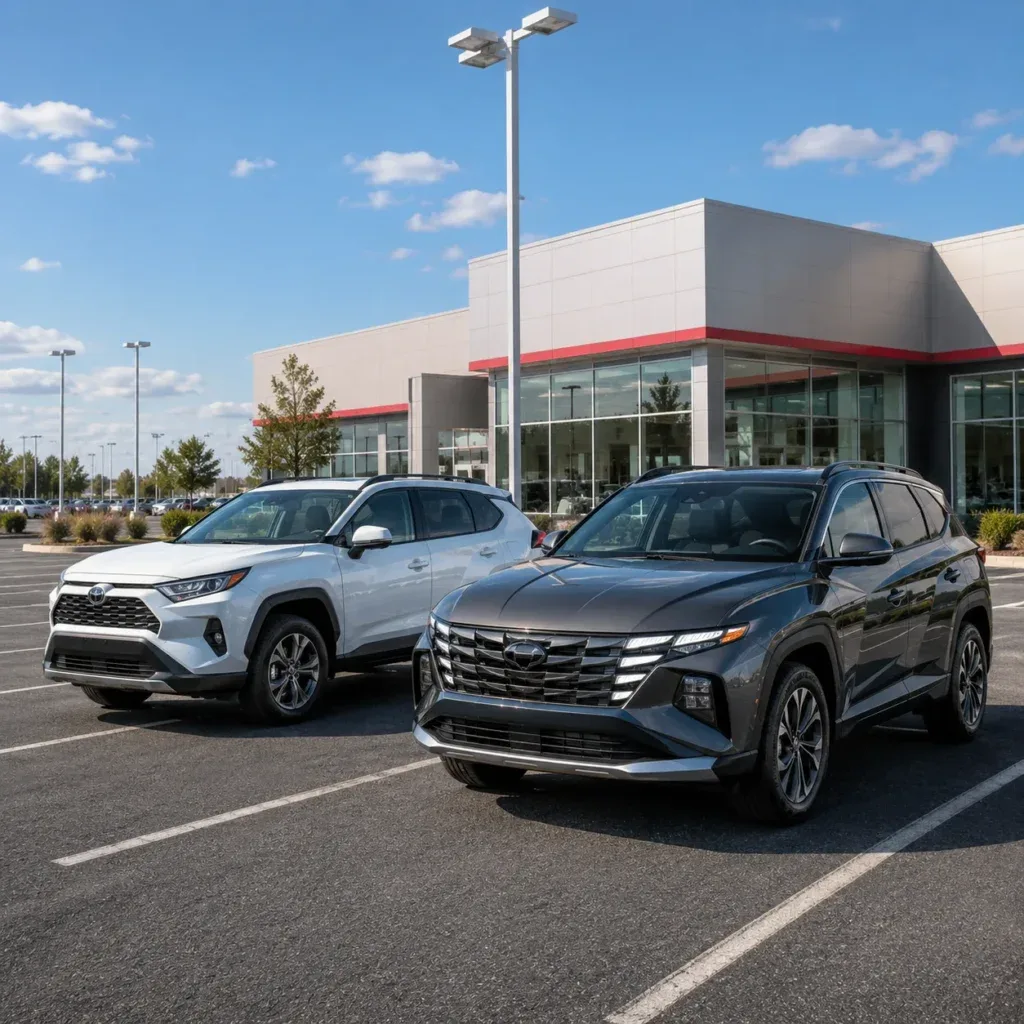
On a clean window-sticker fight, they start within a grand. That is not how America buys them.
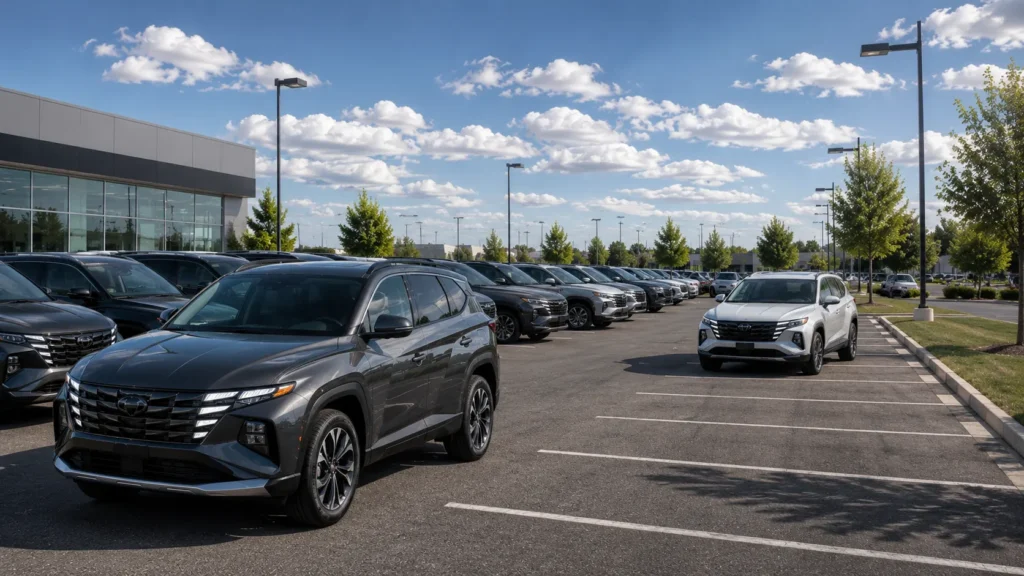
KBB fair-purchase numbers have shown Tucson Hybrid Blue and SEL thousands under MSRP while RAV4 LE and SE sit on top of sticker. CarEdge’s summer scan put RAV4 with Civic, Corolla, and CR-V in the no-discount bucket. Tucson is the one with a conversation.
Hyundai’s 10-year/100,000-mile powertrain warranty is the brochure hammer. Toyota’s 3-year/36,000 bumper and 5-year/60,000 powertrain is the residual hammer. Pick the risk you actually lose sleep over.
Fuel: The Gap Everyone Quotes and Nobody Multiplies
RAV4 FWD 43 mpg versus Tucson AWD 38 mpg at 15,000 miles and $4 gas:
RAV4: about 349 gallons, ~$1,395 a year
Tucson 38: about 395 gallons, ~$1,579 a year
Call it $180 to $250 a year if you live in the EPA’s world. Five years of that is a used Honda Civic down payment, not a house. One Tucson rebate eats two or three years of Toyota’s mpg flex before you leave the desk.
AWD-to-AWD is tighter: RAV4 40 versus Tucson 36. Still Toyota. Still not a $1,000-a-year headline unless gas is $6.
Power and Cabin
Tucson Hybrid: 231 hp. RAV4 FWD LE: 226. RAV4 AWD: 236. Nobody is winning a drag strip. Tucson’s turbo four feels busier. Toyota’s 2.5 hybrid feels like every RAV4 since 2019, just quieter in the new shell.
Tucson’s 12.3-inch screen is the one passengers notice. RAV4’s new digital cluster and cleaner dash are the ones owners live with. Cargo is close enough that a stroller decides it, not a spec sheet.
Who Actually Wins
If you keep cars a decade, live in snow, and hate dealerships, take the RAV4 and wait. Resale will write the last chapter. That has been true since the last generation. It is still true.
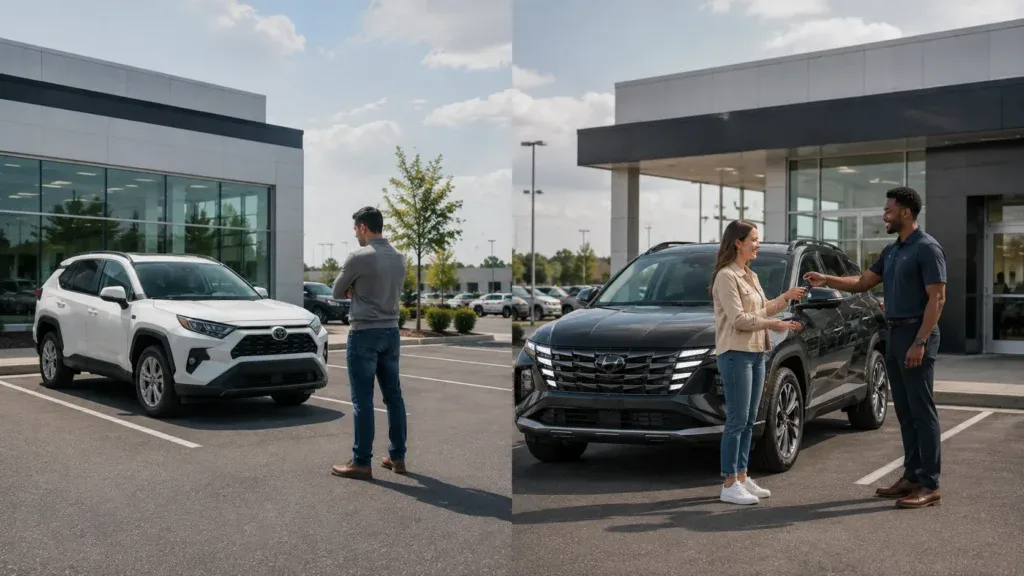
If you need a hybrid compact this quarter, want AWD or a loaded cabin without a $44,000 Limited, and refuse to pay $2,000 over invoice for silver, the Tucson is the car the market is actually selling. More power. Longer warranty. A dealer who will move.
The internet winner is Toyota. The driveway winner in 2026, for people who sign this month, is often the Hyundai — because the Toyota is not on the lot at a number you can live with.
That is not a reliability forecast. That is inventory.
Would you wait six weeks for 43 mpg and a Toyota badge — or take 38 mpg, $2,000 off, and drive it home Saturday?
Related: EV vs Gas Savings Calculator