
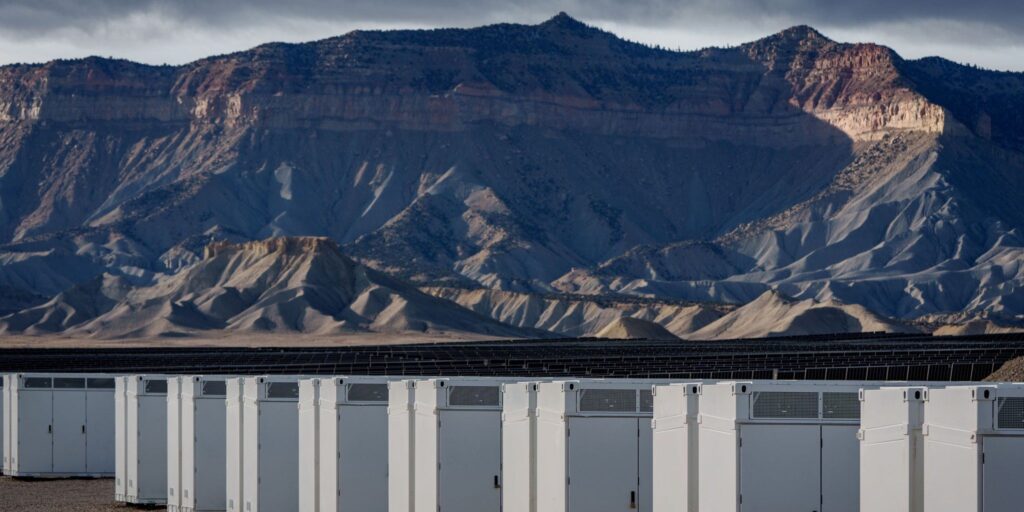
US Solar Power: Fifty million American homes can now flip on the lights thanks to solar power, and more than a third of that capacity got built in states that voted red in the last two elections. That’s the headline from the second quarter of 2026, and it lands with a thud against everything you’ve been told about who actually wants renewable energy. Texas, Florida, Indiana, and Ohio are not exactly climate-policy cheerleaders, yet they’re installing utility-scale solar faster than most blue states. So does this milestone actually lower your monthly electric bill, or is it just a press release dressed up as progress? Let’s dig into what this means for your wallet.
US Solar Power: The Red-State Solar Boom Nobody Predicted

The economics of solar have gotten boring, and boring is exactly why red states are winning. A utility-scale solar farm in West Texas now produces electricity at roughly $25 to $30 per megawatt-hour, undercutting new natural gas plants by a wide margin. That’s not an environmental argument; it’s a spreadsheet argument, and rural landowners and county tax assessors figured it out before the pundits did. When a solar developer offers a farmer $1,200 an acre per year for 25 years, the politics evaporate fast.
This matters to you because utility-scale solar is the cheapest new power source on the grid in most of the country. When your utility signs a 20-year power purchase agreement at those rates, it locks in cheap electricity and avoids building a $1.5 billion gas plant that ratepayers would finance. The savings don’t always show up immediately, but they show up. The question is whether your particular utility passes them along or pockets the difference.
Capacity Is Not the Same as Electricity
Here’s the number that should temper your enthusiasm: solar runs at a capacity factor of about 25 percent. That means a 100-megawatt solar farm produces, on average, the same energy as a 25-megawatt plant running around the clock. The 50-million-homes figure is a nameplate calculation, not a real-time guarantee, and it assumes ideal sunshine and full grid connection. So how much of this capacity is actually wired up and delivering power right now? Nobody in the industry will give you a clean answer.
Intermittency is the unsolved problem, and batteries are not cheap enough yet to paper over it. A solar-heavy grid still needs gas peakers or long-duration storage to keep the lights on at 9 p.m. in January. That backup capacity costs money, and ratepayers fund it. So when you hear that solar now powers 50 million homes, translate that to: solar can power 50 million homes at noon on a clear day in June, provided the transmission lines exist to move it.
What Rooftop Solar Actually Costs You

If you’re a homeowner in a sunny state with high electric rates, rooftop solar can still pencil out, but the math has gotten tighter. A typical 8-kilowatt system runs $15,000 to $30,000 before the federal tax credit, and you need tax appetite to use that credit. Monthly savings land somewhere between $50 and $150 depending on your rate, your roof, and your utility’s net-metering rules. That’s a payback period of 8 to 12 years in a good market, and 20 years in a bad one.
Ask yourself three questions before signing anything. Do you plan to stay in the house for at least seven years? Does your roof face south or west with minimal shade? And does your state still offer full retail net metering, or has your utility slashed the credit to wholesale rates? If you answered no to any of those, the salesperson’s pitch is not for you. Renters, shaded properties, and anyone in a state with 9-cent electricity should walk away.
The Buyer’s Verdict on the Solar Milestone
Utility-scale solar is genuinely reshaping the American grid, and the red-state leadership proves this is an economic story, not an ideological one. For most homeowners, the real benefit arrives through lower wholesale power costs over the next decade, not through a rooftop array. If your utility is passing those savings along, you win without spending a dime. If it isn’t, that’s a fight for your state’s public utility commission, not your checkbook.
My verdict: buy rooftop solar only if you have the tax appetite, a sunny roof, a long horizon, and a utility that still honors net metering. Otherwise, let the utility-scale boom do the work and keep your $25,000 in a high-yield account. The caveat is real, though. If your utility is one of the slow ones, you may wait years for those savings to reach your bill, and the 50-million-homes headline won’t keep your refrigerator cold at midnight.