
Getting approved for a car loan in August 2026 is still possible. Getting a good loan is harder than it looks if your credit is anything less than strong.
Average new-car rates sit in the mid-to-high single digits for prime borrowers. Used-car rates run higher. Drop into near-prime or subprime territory and the numbers climb fast — often into the low-to-mid teens for new vehicles and nearly 20% or more for used ones. Lenders are still writing loans, but they are pricing risk more carefully, pushing longer terms, and asking for more money down when the score or debt-to-income ratio looks soft.
Why It Feels Tighter Right Now
Several forces are stacking up at once.
Vehicle prices remain elevated. A larger loan amount means more risk for the lender, so imperfect credit triggers higher rates or lower approval odds. Many buyers are stretching to 72- or 84-month terms just to keep the monthly payment manageable. That extends the period the car is underwater and raises the chance of negative equity if something goes wrong.
Credit-score tiers still dominate pricing. Recent 2026 data show super-prime borrowers (roughly 781+) seeing new-car averages around 4.5–5.5%. Prime (661–780) lands near 6–7%. Near-prime (601–660) jumps toward 9–10%. Subprime and deep subprime climb into the mid-teens and beyond. The gap between a 720 score and a 620 score can easily mean thousands of dollars in extra interest over the life of the loan.
Lenders are also watching delinquency trends and used-vehicle values. When those look softer, underwriting for weaker credit gets stricter even if headline approval rates for the overall market look decent.

What Actually Works If Your Credit Isn’t Perfect
- Get your numbers before you shop the car.
Pull your credit reports and scores. Know your debt-to-income ratio. Lenders care about both. Fix any obvious errors on the reports first. - Save a real down payment.
Ten to twenty percent (or more) reduces the loan amount, improves the loan-to-value ratio, and can tip a borderline approval into a yes. It also protects you if the car depreciates faster than you pay it down. - Get pre-approved from banks and credit unions first.
Walk into the dealership with a written offer. Dealer financing can still be competitive, but having an outside number stops you from accepting the first high-rate contract they put in front of you. Credit unions often price better for members with imperfect but not disastrous credit.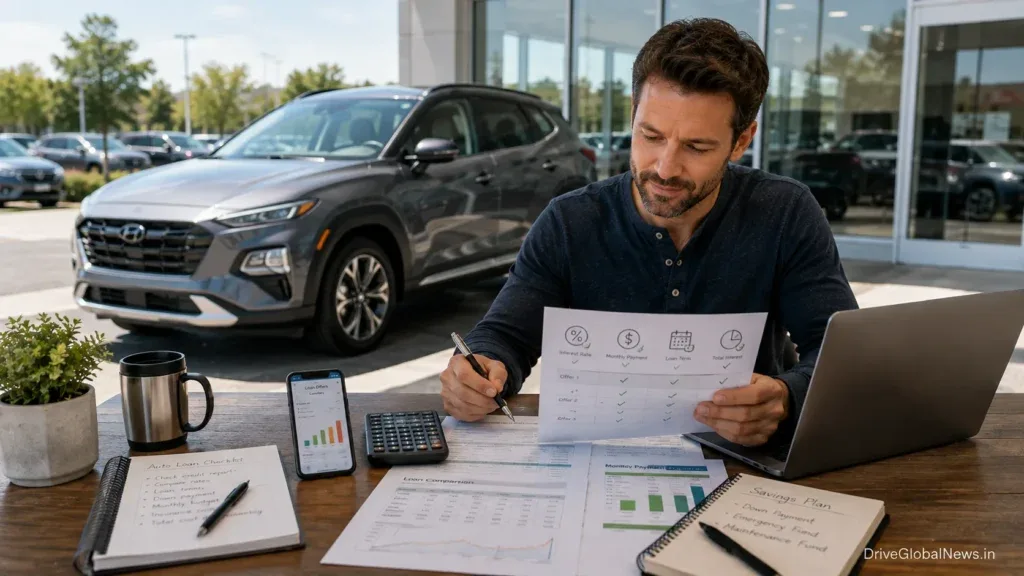
- Shop the rate, not just the monthly payment.
A low payment on an 84-month loan at 14% is usually a worse deal than a higher payment on a shorter term at 9%. Run the total interest cost before you sign. - Consider a cheaper car or a certified pre-owned model.
Stretching for a $45,000 vehicle when a solid $28,000–$32,000 option meets your needs is how imperfect credit turns into a long-term problem. Lower price equals lower risk for the lender and lower payment pressure for you. - Avoid stacking new credit applications.
Rate-shop within a short window (typically 14 days) so the inquiries count as one. Outside that window, each hard pull can ding the score further.
Before you fall in love with a payment quote, check whether the monthly number actually fits the rest of your budget with a car affordability calculator. A loan you can “afford” on paper still fails if it leaves no room for insurance, maintenance, or an emergency.
What to Avoid
Do not accept the first dealer offer without comparing it to a bank or credit-union pre-approval. Do not roll negative equity from an old loan into a new one if your credit is already strained. Do not sign a contract you have not read for prepayment penalties, gap coverage markups, or add-on products you do not need.
The Bottom Line
Car loans did not disappear in August 2026. They simply got more expensive and more selective for anyone outside the prime tier. Higher vehicle prices, rate spreads by credit score, and longer average terms make imperfect credit cost real money.
The fix is not waiting for rates to magically drop. It is showing up with a larger down payment, a pre-approval, a realistic vehicle price, and a clear view of total interest — not just the monthly number. Buyers who do that still get financed. Buyers who only shop the payment often pay for it for six or seven years.
What’s your current credit tier, and have you pulled a pre-approval number yet this month?