
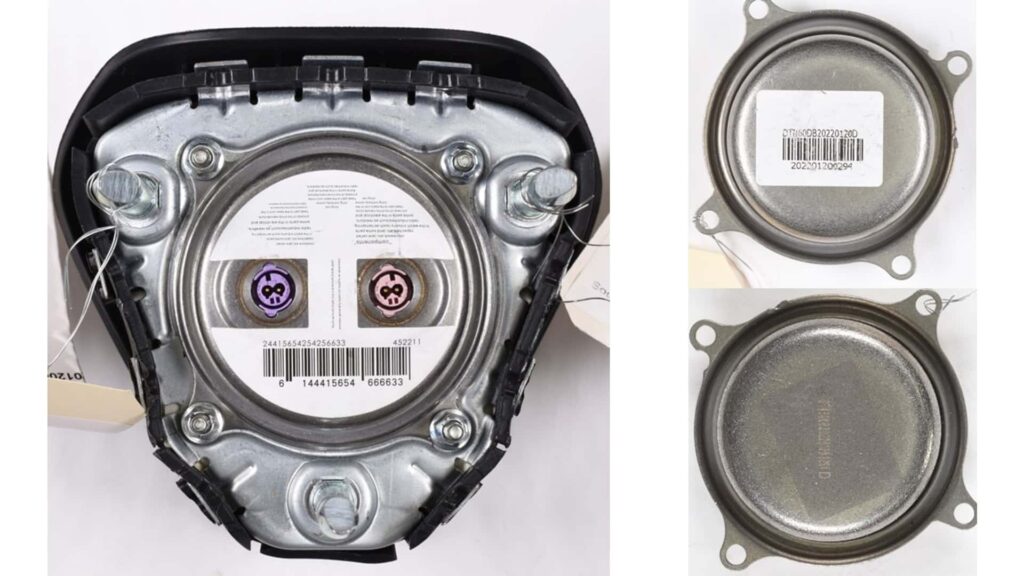
Chevrolet Malibu: The National Highway Traffic Safety Administration has now linked 11 confirmed US deaths to a single air bag inflator type—the DTN60DB—and is urgently pushing owners of the Chevrolet Malibu, Equinox, and Hyundai Sonata to check their recall status immediately. That’s not a typo, and it’s not a distant regulatory footnote; it’s a hard number that should make anyone with one of these vehicles stop scrolling and verify their VIN right now. The agency’s warning, issued after the 11th fatality was confirmed, targets a specific inflator that can rupture and send metal shrapnel into the cabin during a crash. So, does this mean every Malibu, Equinox, or Sonata on the road is a ticking bomb? Let’s look at the data before you panic or, worse, ignore it.
The core issue centers on the DTN60DB inflator, a component that has been implicated in a pattern of violent deployments that exceed normal operating pressure. NHTSA’s latest advisory is not a new recall but an urgent amplification of existing ones, urging owners of these three models to confirm whether their vehicles have been repaired under previous campaigns. The agency’s language is unusually stark, calling the risk “imminent” and emphasizing that even a minor collision could trigger a catastrophic failure. For owners, this translates into a simple but potentially life-saving action: check your VIN on the NHTSA website or your automaker’s portal before your next drive.
Eleven confirmed deaths is a staggering figure for a single inflator type, especially when you consider that air bag systems are supposed to be the last line of defense in a crash, not a source of additional harm. The DTN60DB inflator, produced by ARC Automotive, has been under scrutiny for years, with prior recalls addressing the issue but clearly failing to reach every affected vehicle. NHTSA’s data shows that the 11th death occurred in a vehicle that was likely subject to an earlier recall notice, which raises a chilling question: how many owners never received the letter, ignored it, or bought a used car with an unrepaired safety defect?
The affected models span a wide range of years, meaning the used car market is likely saturated with vehicles that carry this risk. If you’re driving a 2014-2017 Chevrolet Malibu, a 2013-2017 Equinox, or a 2011-2014 Hyundai Sonata, you’re in the crosshairs of this advisory. The financial stakes here are not about repair costs—those are covered free of charge by the manufacturers—but about the potential loss of life and the long-term resale value of any vehicle that remains unrepaired. A quick check could save your life, but it could also save you thousands when you eventually sell the car, as unrepaired recalls are now a red flag for savvy buyers.
Why the Recall Doesn’t Solve the Root Problem
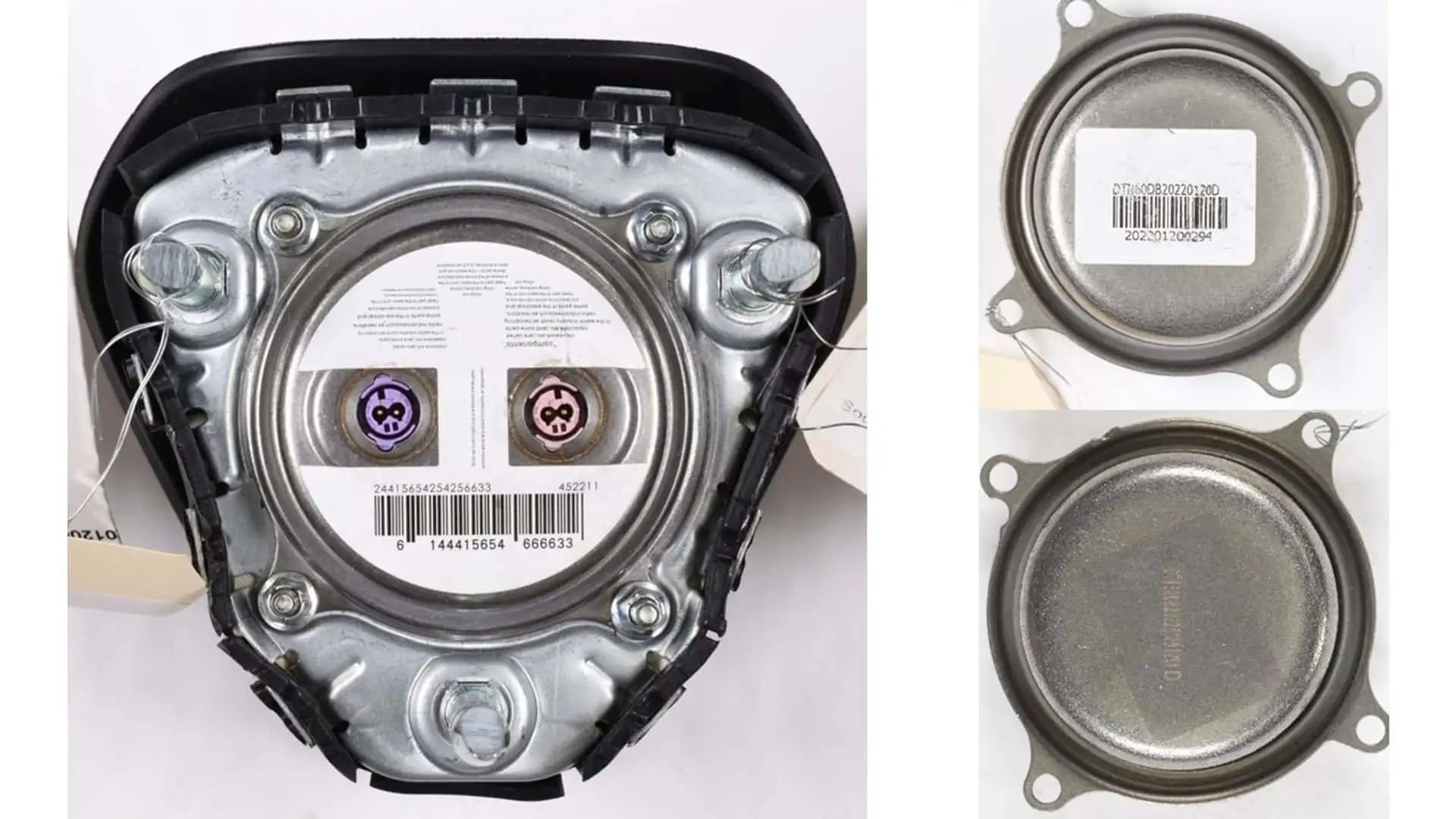
The trade-off is clear: that regulators and automakers don’t want to emphasize: the recall process itself does not fix the underlying design flaw in the DTN60DB inflator. Instead, it replaces one potentially defective component with another from the same production line, which means the fundamental risk of rupture remains in millions of vehicles that have not yet been serviced. NHTSA’s advisory is a band-aid on a systemic issue, and the 11th death proves that prior campaigns have not been aggressive enough in reaching owners. Why hasn’t the agency mandated a full, nationwide recall for every vehicle containing this inflator, rather than relying on voluntary manufacturer actions and owner initiative?
The answer lies in the regulatory dance between NHTSA and ARC Automotive, which has resisted a broader recall, arguing that the inflator failures are isolated incidents rather than a systemic defect. That argument becomes harder to sustain with each new fatality, but the process of forcing a recall through legal channels can take years. For owners, this means the burden of action falls squarely on their shoulders: you cannot wait for a letter that may never come, and you cannot assume that a previous owner or dealership handled the repair. The counter-intuitive truth is that the inflator is only dangerous in specific crash scenarios where the deployment generates excessive internal pressure, but the real risk is ignoring the recall notice altogether.
What Owners and Buyers Must Do Right Now
If you own one of the three affected models, your immediate step is to locate your VIN and check it against NHTSA’s recall database or your automaker’s website. The repair is free, takes a few hours at a dealership, and could literally be the difference between walking away from a crash and becoming a statistic. For those considering a used Malibu, Equinox, or Sonata, the calculus is different: you must verify that any recall work has been completed before handing over a single dollar. A dealer or private seller who cannot provide proof of the repair should be an automatic deal-breaker, no matter how attractive the price tag looks.
The financial impact of ignoring this issue extends beyond safety, as unrepaired vehicles with open safety recalls are losing value faster than their repaired counterparts. Some states now block the sale of used cars with open recalls, and insurance companies are beginning to factor recall status into their premiums. So, does this mean you should avoid these models entirely? Not necessarily, but it does mean that due diligence is non-negotiable. Check the VIN, demand documentation, and if the seller hesitates, walk away—there are plenty of other sedans and crossovers that don’t come with a fatal asterisk attached.
The Regulatory Gap and Your Role in Closing It
NHTSA’s advisory stops short of a mandatory recall for all DTN60DB inflators, leaving a dangerous gap that only owner action can fill. The agency has the authority to issue an “imminent hazard” finding, which would force ARC and automakers into a comprehensive recall, but that process is slow and legally contentious. In the meantime, the 11th death serves as a grim reminder that regulatory timelines do not align with the reality of a defective part sitting in your garage. You cannot outsource your safety to a government agency that is still debating the scope of the problem.
The bottom line for current owners is clear: schedule the repair this week, not next month, and treat any delay as an unacceptable risk. For buyers, the verdict is equally decisive—never purchase a used Malibu, Equinox, or Sonata without written confirmation that the DTN60DB inflator has been replaced. The caveat is that even a repaired vehicle carries a residual stigma in the resale market, so factor that into your offer. This is not a theoretical debate about regulatory policy; it’s a practical decision about whether you’re willing to bet your life on a component that has already failed 11 times.