$2,238 per year.
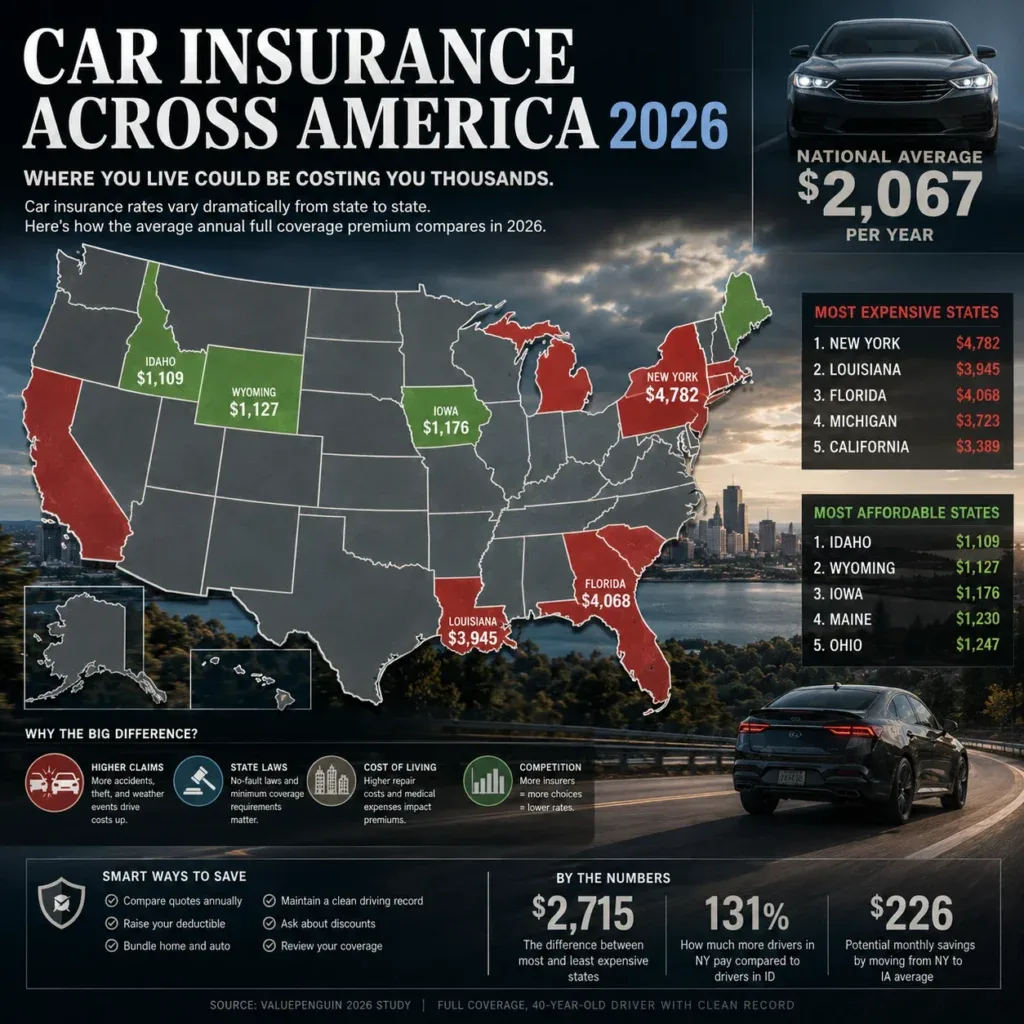
That’s what the average American pays for full coverage car insurance in 2026. Every month — $186 leaving your account before you’ve driven a single mile.
But here’s what that average doesn’t tell you: where you live matters more than almost any other factor. A driver in the Bronx pays $6,270 per year. A driver in Idaho pays $1,443. Same car. Same driving record. Four thousand dollars apart.
Here’s the complete picture — what insurance actually costs in 2026, state by state, and what you can realistically do about it.
The National Picture First
The good news: car insurance got cheaper in 2025 after three brutal years of increases. Between 2022 and 2024, the average full-coverage premium jumped 46%. That’s not a typo — 46% in two years. In 2025, rates finally fell 6% as insurance companies recovered their financial footing after massive claims losses.
The not-so-good news: 2026 is bringing another small increase. The current national average is $2,238 per year for full coverage and $682 for minimum liability only. By year-end, Insurify projects rates rise another 0.6% — mostly because tariffs on imported auto parts are starting to make repairs more expensive, and insurers eventually pass those costs to policyholders.
If you renewed your policy recently and noticed your rate creeping back up — that’s why.
The Most Expensive States in 2026
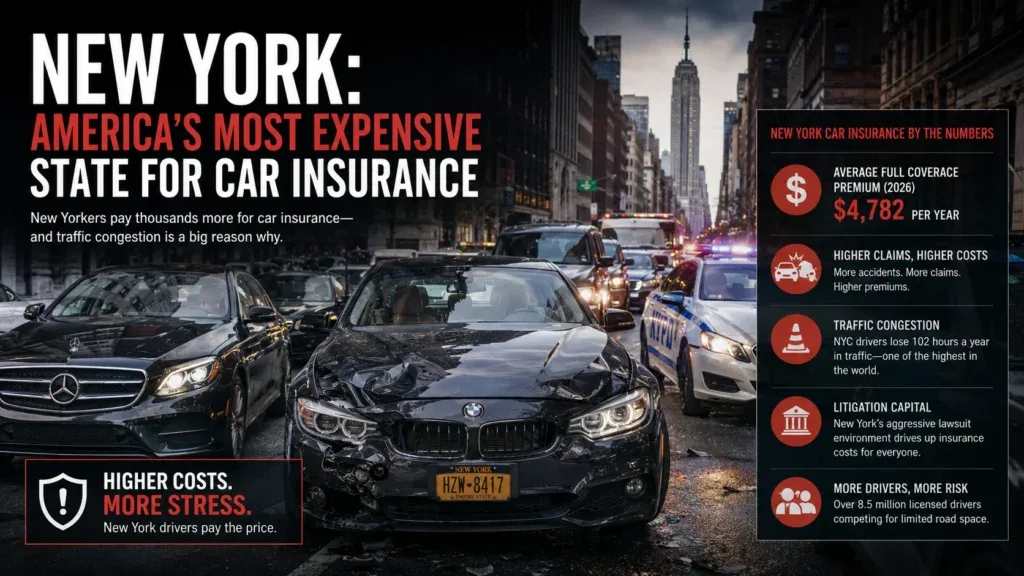
New York — $4,000+ per year Washington D.C. technically tops the list at $4,017 annually, but New York is the real story. In the Bronx specifically, average full coverage costs $6,270 per year — the most expensive zip codes in the country. Queens is $3,034. The reasons: high repair costs, dense traffic, frequent claims, expensive medical care, and a legal environment that makes lawsuits after accidents common and costly for insurers.
Nevada — $335 per month ($4,020/year) Vegas accident rates, extreme weather exposure, and high repair costs from luxury vehicle density make Nevada one of the most expensive states despite its population being smaller than New York’s.
Louisiana — $327 per month ($3,924/year) High uninsured driver rates, frequent severe weather claims, and a legal system that historically favors large jury verdicts in personal injury cases all combine to make Louisiana reliably expensive for drivers.
Florida — $311 per month ($3,732/year) Hurricane exposure, the highest uninsured driver rate in the country at roughly 20%, and persistent insurance fraud — particularly in South Florida — make the Sunshine State anything but sunny for your insurance bill.
New Jersey — Up 20% in 2025, still climbing New Jersey was one of four states that saw double-digit rate increases in 2025. Nearly 90% of NJ auto insurers raised rates last year. 2026 looks similar for Garden State drivers.
The Cheapest States in 2026
Idaho — $1,443 per year full coverage America’s cheapest car insurance state. Low population density means fewer accidents. Low crime means fewer theft claims. Low cost of living means cheaper repairs. If you’re moving and care about insurance costs — Idaho is the answer.
New Hampshire — $957 per year The only state that doesn’t require drivers to carry liability insurance — though most do. Low density, wealthy population with good driving records, and few major weather events combine for the nation’s lowest premiums.
Wyoming — $1,052 per year Rates actually fell 30% in Wyoming during 2025 — the largest drop of any state. Wide open roads, low traffic density, and few urban accident clusters keep costs manageable despite harsh winter weather.
Iowa — $1,230 per year Midwestern low cost of living, low theft rates, and a stable legal environment make Iowa consistently affordable for drivers.
What’s Going to Make Your 2026 Rate Go Up
Beyond where you live, five factors are pushing individual rates higher in 2026:
Tariffs on auto parts. This is the sleeper issue that most drivers haven’t connected to their insurance bill yet. The 25% tariffs on imported steel and aluminum, plus additional tariffs on European vehicles, are increasing repair costs. A fender bender that cost $2,200 to fix in 2024 might cost $2,800 in late 2026. Insurers haven’t fully passed these costs on yet — but they will.
Rising repair costs generally. Modern vehicles have more sensors, cameras, and electronics than ever. A parking lot bump that used to require a new bumper now potentially requires recalibrating a parking sensor, a backup camera, and multiple safety systems. Every year, the average repair cost per claim rises.
Climate events. 2025’s hurricane season was severe. 2024 brought flooding events that totaled hundreds of thousands of vehicles. Insurers price for catastrophe exposure — and if you live in a hurricane, tornado, or flooding-prone area, that pricing is reflected in your renewal.
Your driving record following you. A single at-fault accident can raise your premium 30-40%. A DUI in most states raises it 70-100%. These follow you for 3-5 years depending on the state.
How to Actually Pay Less Than Average
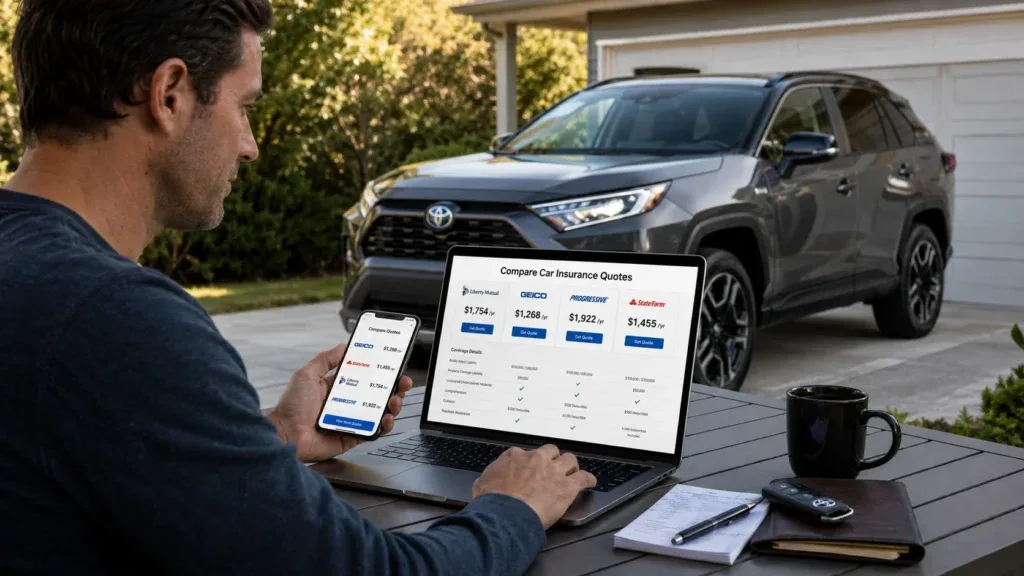
Five moves that work in 2026:
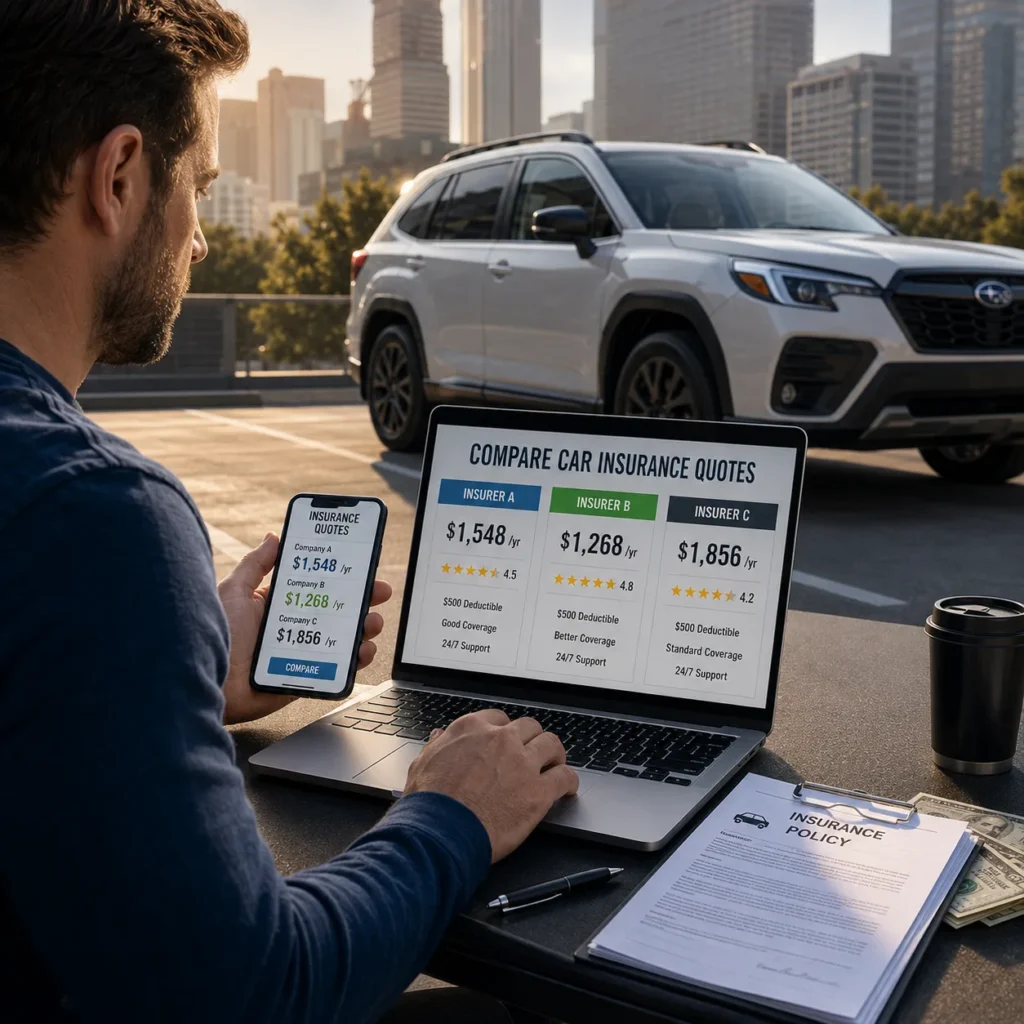
Shop every renewal. Insurance loyalty is financially punished in America. Companies offer their best rates to new customers. Shopping every 12 months — using Insurify, The Zebra, or direct quotes from multiple carriers — is the single most effective way to reduce your premium. Average savings from shopping: $700-$1,100 per year according to Insurify’s own data.
Raise your deductible. Moving from a $500 to a $1,000 deductible typically reduces your collision and comprehensive premium 10-15%. If you have an emergency fund and drive safely — this is free money.
Bundle home and auto. Most major insurers offer 5-15% discounts for bundling. If your home and auto are with different companies, the math usually favors consolidating.
Ask about telematics programs. State Farm’s Drive Safe & Save, Progressive’s Snapshot, and Allstate’s Drivewise all track your driving behavior via app and offer discounts of 10-30% for safe driving. If you don’t drive much or drive carefully — these programs pay.
Check for forgotten discounts. Military, teacher, alumni, good student, and professional association discounts exist at most major carriers and are rarely applied automatically. Ask specifically.
The national average is $2,238. There’s no reason you should pay more than you have to.