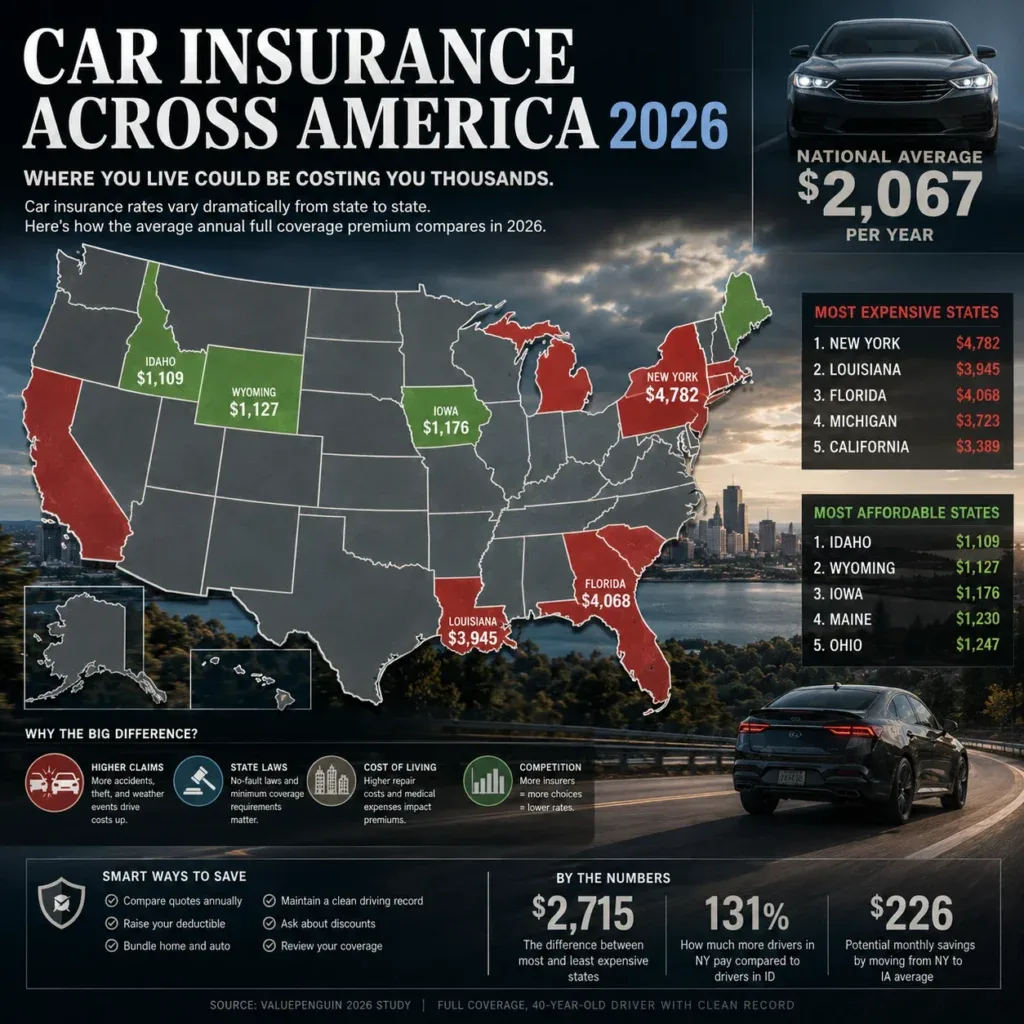
$191 per month. That’s what the average American pays for car insurance right now.
If you’re paying more — and most people are — you’re almost certainly overpaying. Not because your car is special or your situation is unusual. Because you haven’t shopped your insurance recently, and insurance companies reserve their best rates for new customers.
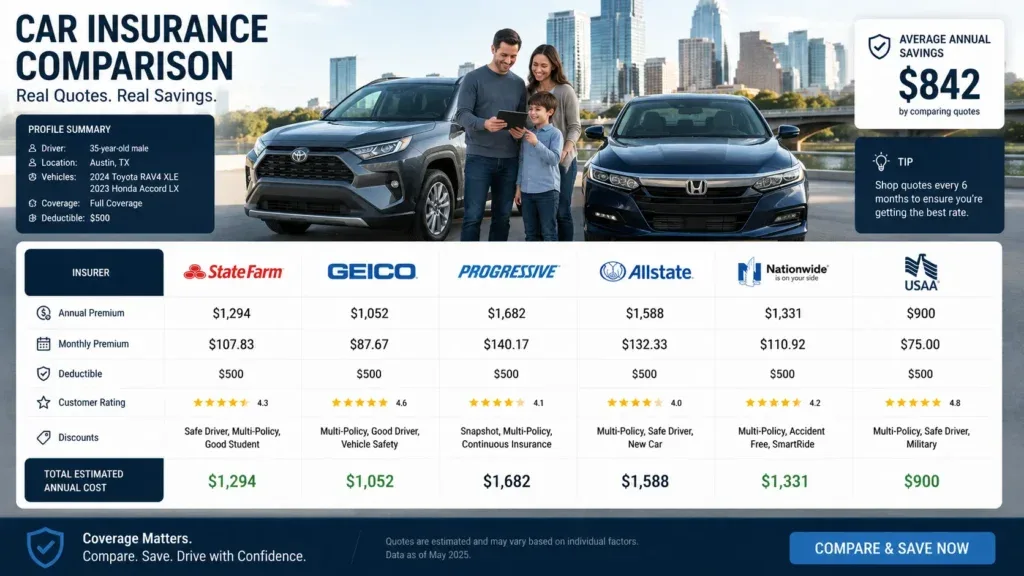
Here are the actual cheapest car insurance companies in America as of May 2026 — with real rates, not ranges, not estimates.
The Cheapest Full Coverage: Travelers at $139/Month
According to NerdWallet’s May 2026 rate analysis — which is refreshed monthly and covers actual quoted rates — Travelers is the cheapest large auto insurance company for full coverage at an average of $139 per month ($1,664 per year).
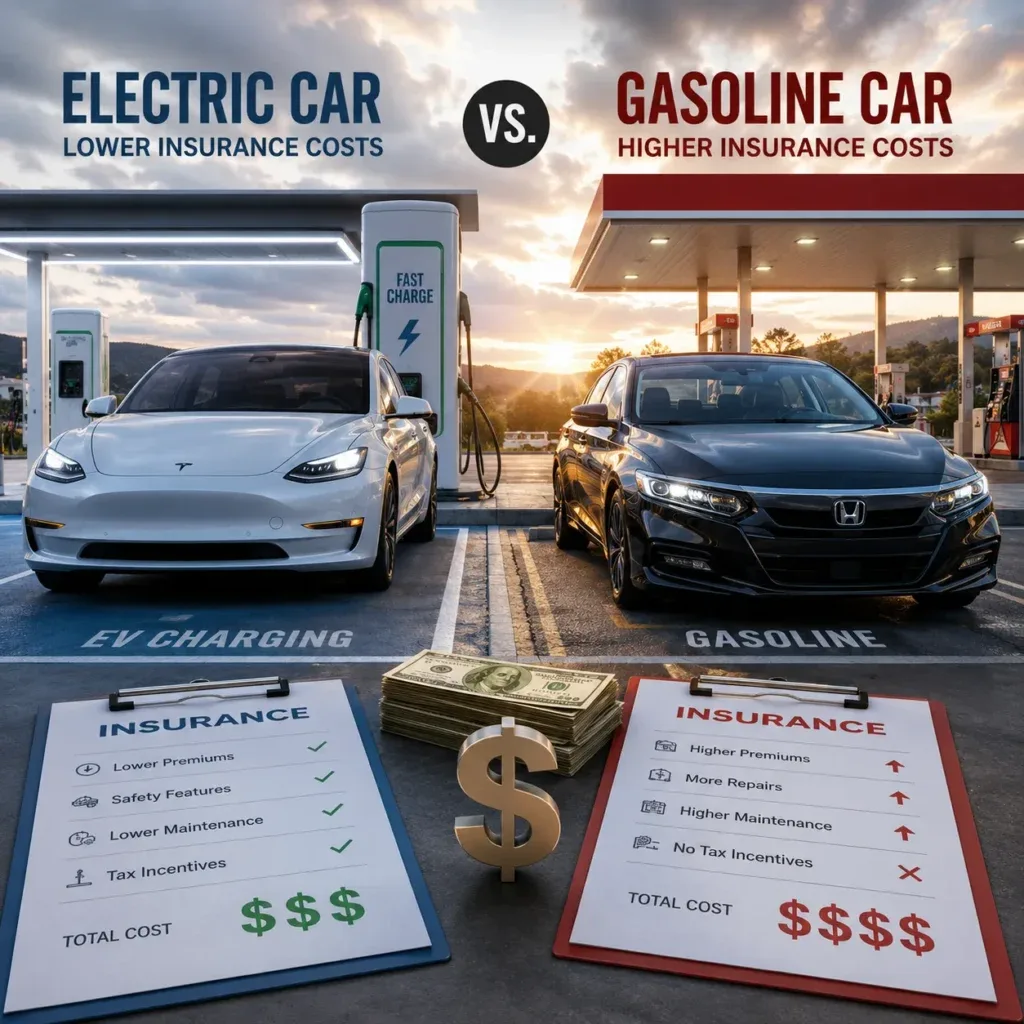
Full coverage means comprehensive plus collision plus liability. It’s what most people need if their car is less than 10 years old or they’re still making payments on it. At $139 per month, Travelers beats the national full-coverage average of roughly $243 per month by over $100.
Travelers isn’t the flashiest name in insurance. They don’t run Super Bowl commercials with memorable mascots. What they do have is a consistently competitive pricing structure and a claims service that J.D. Power rates above average. For most drivers who want the cheapest legitimate full-coverage policy from a company that will actually pay claims — Travelers is the answer.
The Cheapest Liability Coverage: GEICO at $41/Month
For drivers who want minimum coverage — the bare legal requirement in most states — GEICO comes in at $41 per month ($494 per year) according to the same NerdWallet analysis.
Minimum liability coverage is not for everyone. If your car is newer or worth more than $5,000, dropping collision and comprehensive to save money is risky — one accident or hail storm and you’re paying out of pocket for a repair or replacement that costs more than a year of full coverage premiums.
But for someone driving a 2012 Honda with 130,000 miles and a value of $4,000 — minimum coverage at $41 per month makes real financial sense. GEICO has the most consistent minimum-coverage pricing in the industry and is available in nearly every state.
The Best Rate Nobody Can Have: USAA at $1,487/Year
Let’s be honest about USAA.
At $1,487 per year for full coverage — roughly $124 per month — USAA is the cheapest car insurance in America. It beats Travelers by $177 annually. Over five years, that’s nearly $900 in savings.
The catch: USAA is available only to active military, veterans, and their immediate family members. If you qualify — it’s not even close. USAA. Done.
If you don’t qualify, Travelers is your benchmark.
Real Rates by Driver Profile — May 2026
The national average is useful context but not your number. What you actually pay depends on your age, driving history, location, and vehicle. Here’s what real rates look like across different profiles:
35-year-old with clean record, full coverage: Travelers — $139/month. This is the benchmark profile.
20-year-old driver, full coverage: Progressive — $307/month ($3,685/year). Young drivers pay more. Always. Progressive is consistently the cheapest for young drivers among large national carriers. If you’re under 25, Progressive is where you start your search.
Driver with one at-fault accident: Rates jump 30-40% at most carriers after an at-fault claim. State Farm handles post-accident drivers relatively well compared to competitors. GEICO’s rates spike more aggressively after accidents.
Driver with a DUI: Rates typically double or more. Progressive and Travelers both insure DUI drivers but at significantly elevated rates. USAA does not offer the same preferred rates to members with DUI violations.
Senior driver (60-year-old married couple): Seniors typically pay the lowest rates of any adult age group. The combination of driving experience and lower annual mileage makes them statistically low-risk. Travelers and USAA both offer competitive senior rates.
The Cheapest Cars to Insure in 2026
This is data that’s worth knowing before you buy a car. According to CarInsurance.com’s 2026 rate analysis based on actual claims data:
Cheapest to insure:
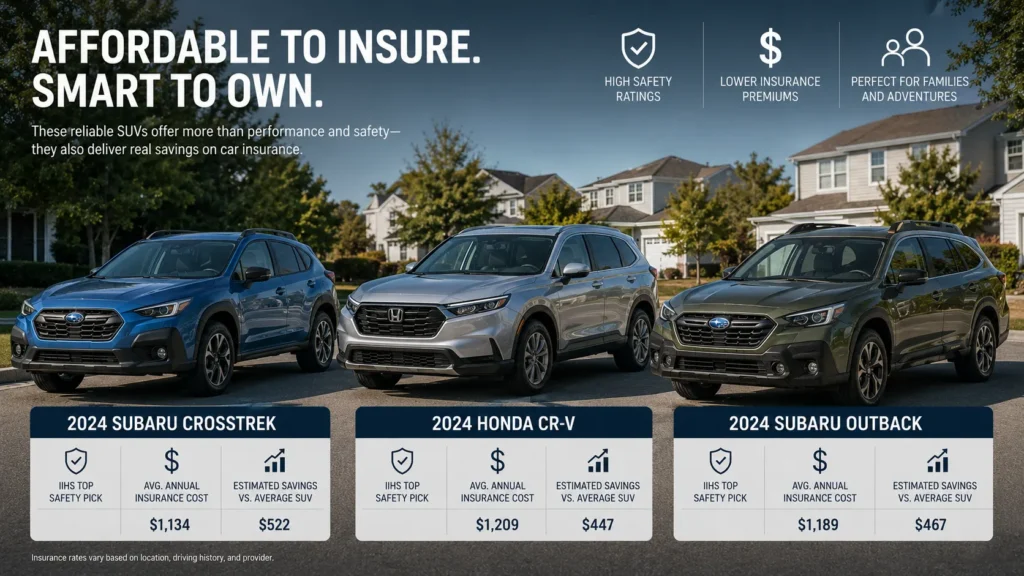
- Subaru Crosstrek — $2,299/year full coverage
- Jeep Wrangler — $2,307/year
- Honda CR-V — $2,316/year
- Subaru Outback — $2,322/year
- Volkswagen Tiguan — $2,329/year
The pattern is clear: lower horsepower, high safety ratings, low theft rates, inexpensive parts. The Subaru Crosstrek is particularly interesting — it’s a capable AWD compact that costs less to insure than almost any other vehicle on the market.
Most expensive to insure:
- BMW M8 Gran Coupe — $6,744/year
- BMW M5 Touring — $6,708/year
- BMW M5 — $6,593/year
- BMW M8 — $6,423/year
- Audi e-tron GT — $6,413/year
BMW’s M performance lineup dominates the most-expensive list. A BMW M8 Gran Coupe costs $562 per month just to insure — before you’ve made a single car payment. High repair costs, high theft rates, high-performance crash statistics, and expensive imported parts all compound into rates that require serious financial planning.
The Toyota RAV4 and Honda CR-V average approximately $214 per month in full coverage — right at the national average for popular mainstream vehicles. That RAV4 Hybrid you’re considering? Its insurance cost is known, predictable, and reasonable.
The One Move That Saves Most People the Most Money
Shopping at renewal. That’s it.
Insurance companies offer their best rates to new customers. If you’ve been with the same insurer for three or more years and haven’t gotten a quote from at least two competitors — you are almost certainly overpaying. The average savings from shopping at renewal: $700-$1,100 per year according to multiple industry analyses.
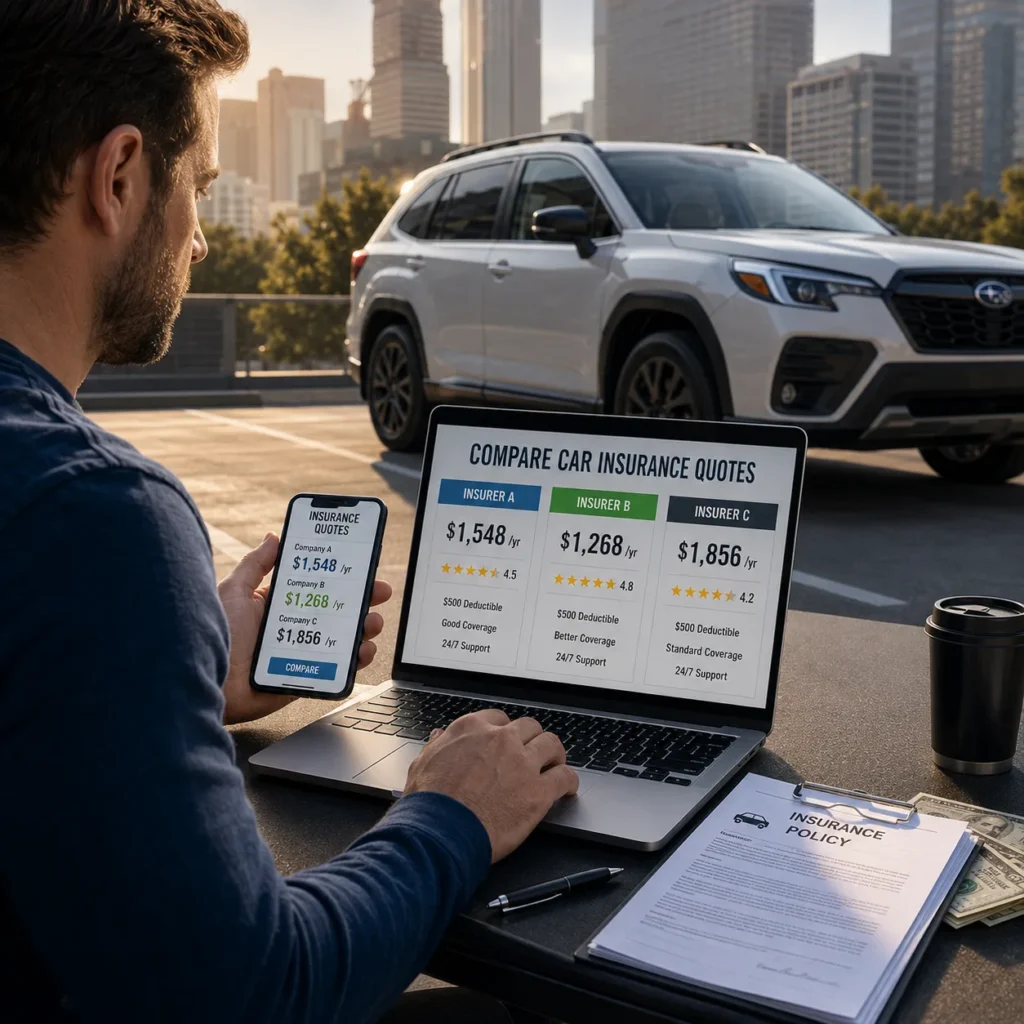
Set a calendar reminder for 30 days before your next renewal date. Get quotes from Travelers, GEICO, Progressive, and State Farm minimum. Compare them to your current rate. Switch if the savings justify it. Repeat every 12 months.
It takes 20 minutes. It saves hundreds of dollars. There is no simpler financial optimization available to most American households.