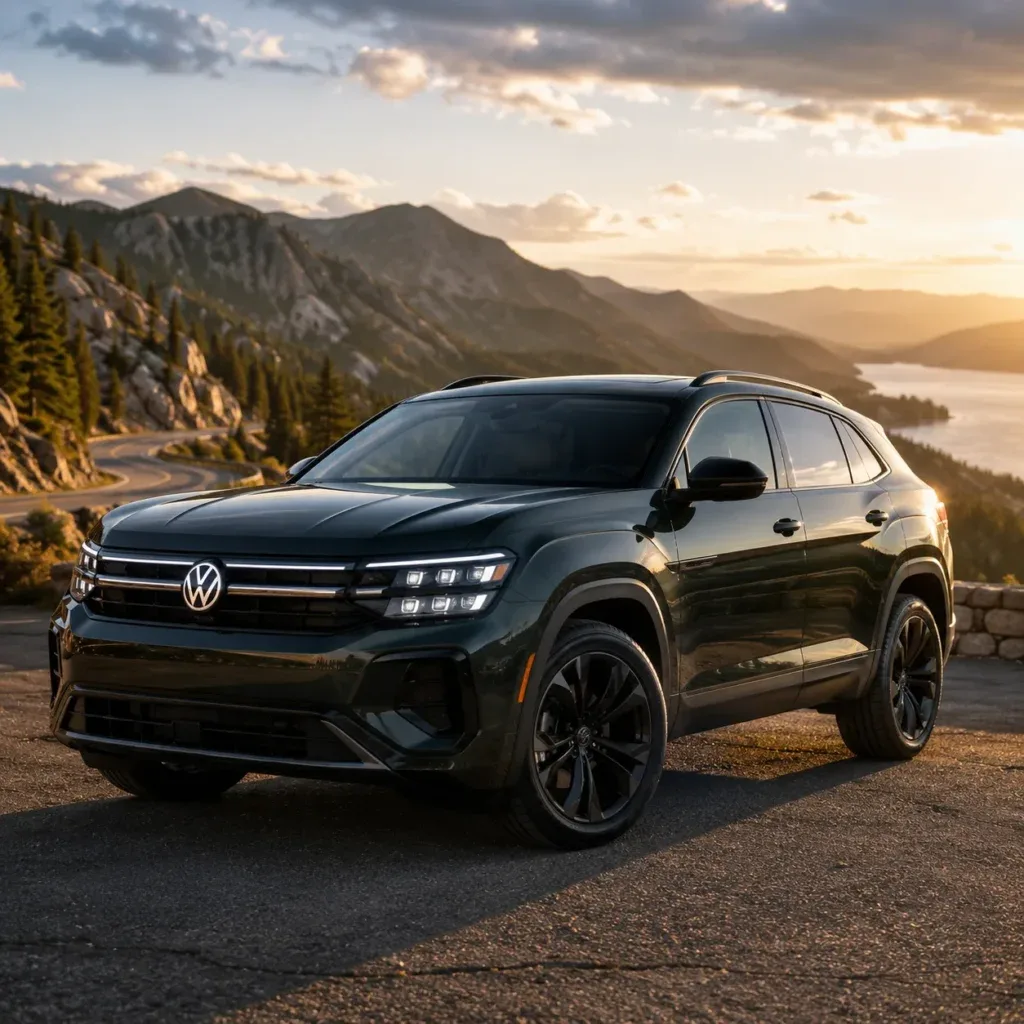
Volkswagen has given its five-seat Atlas Cross Sport a full second-generation redesign for 2027. The new model arrives with more power, a cleaner exterior, a significantly updated interior, and a longer list of standard safety and convenience features. It goes on sale in early 2027 as the sportier, two-row alternative to the redesigned three-row Atlas.
The question is whether these changes finally make it a strong recommendation in a competitive segment.
What’s New for 2027 The biggest mechanical change is under the hood. The turbocharged 2.0-liter four-cylinder is now the latest EVO5 version of Volkswagen’s EA888 engine.
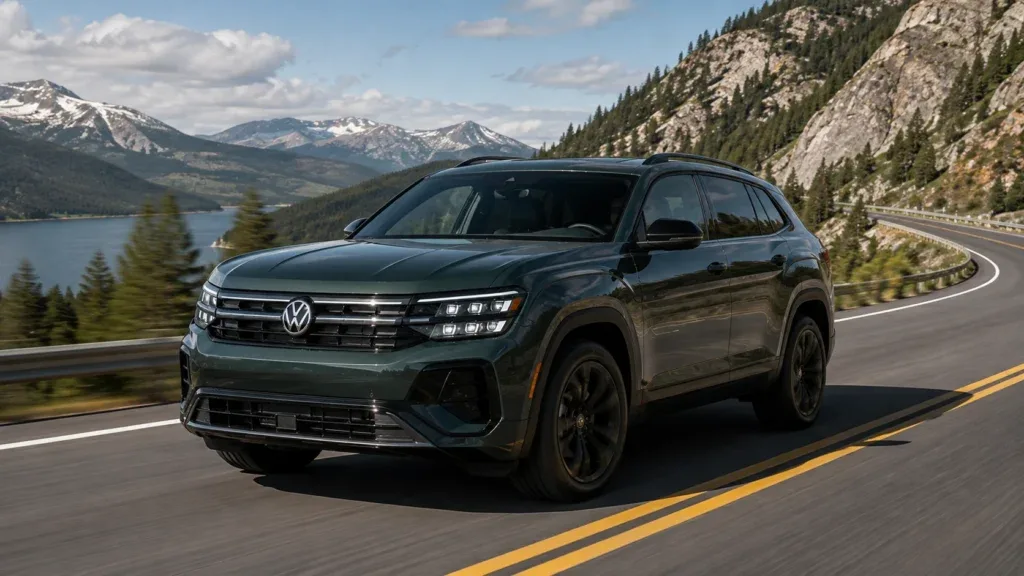
Output rises to 282 horsepower (up 13 from the previous model) and 258 lb-ft of torque. The engine pairs with an eight-speed automatic. Front-wheel drive is standard; 4Motion all-wheel drive is available on all trims. Volkswagen says fuel economy improves, with expectations of roughly 25 mpg combined for front-wheel-drive models and about 23 mpg with all-wheel drive once official EPA numbers are confirmed. Towing capacity remains 5,000 pounds when properly equipped.
A hybrid powertrain is planned for a later mid-cycle update, not at launch.
The exterior is smoother and more modern, with softer surfacing, stacked LED headlights, an illuminated VW badge on most trims, and a lower, more raked roofline that emphasizes the sportier two-row profile. New wheel designs and several fresh exterior colors complete the visual update. The Cross Sport sits lower and shorter than the three-row Atlas while sharing the same updated MQB Evo platform.
Interior and Technology Inside, the changes are more dramatic. A column-mounted shifter frees up the center console. A 10.25-inch (or similar) digital instrument cluster is standard, while the infotainment screen grows to 12.9 inches on the base model and 15 inches on higher trims.
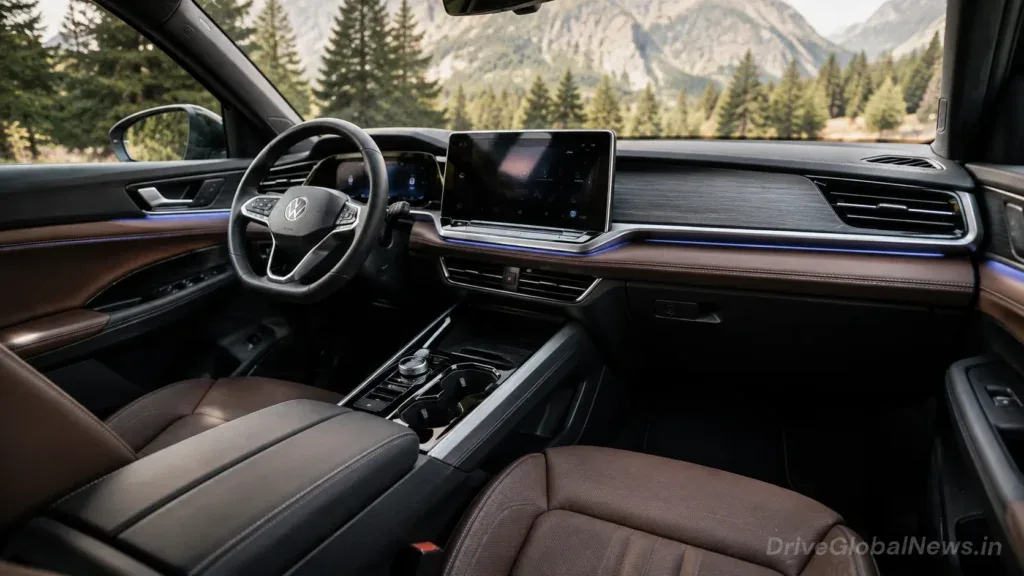
Wireless Apple CarPlay and Android Auto, dual wireless charging, multiple USB-C ports, and an upgraded voice assistant are part of the package. Higher trims add massage seats and other comfort features. The overall cabin aims for a more premium, less cluttered feel than the previous generation.
Safety and Driver Assistance Volkswagen has expanded the standard safety suite. Travel Assist (the brand’s hands-on adaptive cruise and lane-centering system) is included, along with features such as Emergency Assist that can help bring the vehicle to a stop if the driver becomes unresponsive.
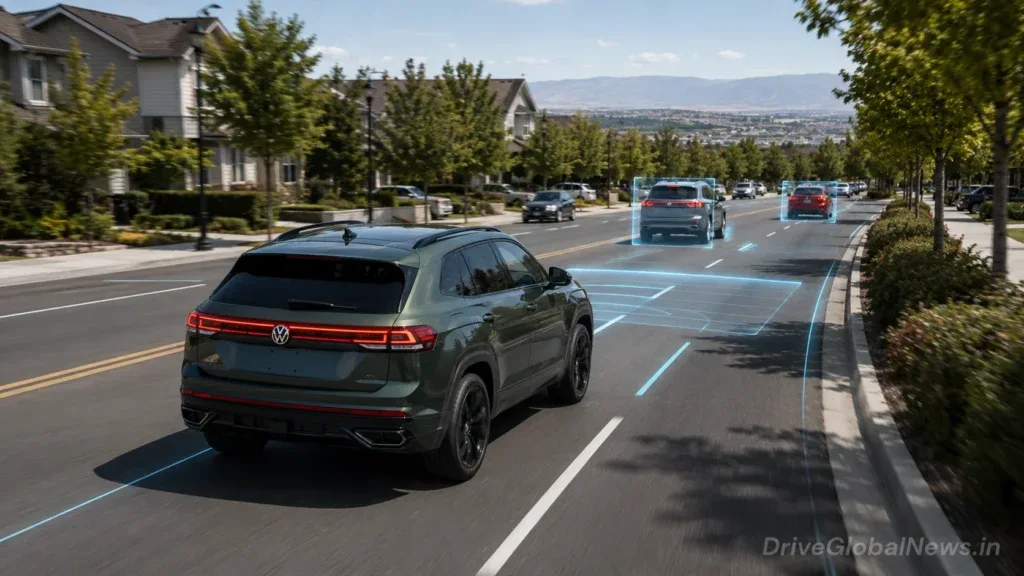
Front and rear parking sensors, a power tailgate, and other convenience items are more widely available or standard than before. These additions close some of the gaps the previous Cross Sport had versus newer rivals.
Pricing Expectations Exact pricing has not been announced. Based on the three-row Atlas and the outgoing Cross Sport, the 2027 model is expected to start near or just under $41,000 before destination, with higher trims climbing into the low-to-mid $50,000s. That would keep it competitive with the Honda Passport, Chevrolet Blazer, and other two-row midsize SUVs.
Is It Finally Worth Buying? The previous Atlas Cross Sport was a practical, roomy five-seater that never quite stood out. The 2027 redesign addresses the most obvious shortcomings. More power makes it feel less underwhelming, the interior is meaningfully more modern, and the standard equipment and safety tech are stronger. The exterior is cleaner and more distinctive.
It still faces tough competition. Some rivals offer stronger performance (especially V6 options), more engaging driving dynamics, or hybrid efficiency that the Cross Sport will not match until its later update. Volkswagen’s long-term reliability reputation has improved but still trails the Japanese leaders for many buyers. The lack of a hybrid at launch is a noticeable gap in a segment where efficiency matters.
For shoppers who want a stylish, well-equipped five-seat midsize SUV with solid power, competitive towing, and a more premium cabin than the last generation, the 2027 Atlas Cross Sport is a clearer yes than before. It is no longer the also-ran of the class. It is a legitimate contender, especially if the final pricing stays disciplined and real-world fuel economy delivers on the promised improvement.
The Bottom Line The 2027 Volkswagen Atlas Cross Sport is a genuine step forward. It gains useful power, a modern interior with large screens, more standard safety technology, and a sharper overall package. It is finally worth serious consideration for buyers who prefer a two-row midsize SUV over a three-row model and want something different from the usual Japanese or domestic choices.
It will not be the most efficient or the most exciting vehicle in the segment, and the hybrid is still years away. But for the first time in a while, the Atlas Cross Sport feels competitive on the features and refinement that matter to most shoppers. Test-drive it against the Honda Passport and Chevrolet Blazer when it arrives. The gap that used to make the Volkswagen an easy pass has narrowed considerably.
Are you cross-shopping the new Cross Sport with the Passport or Blazer, or are you waiting to see the final pricing and fuel-economy numbers first?