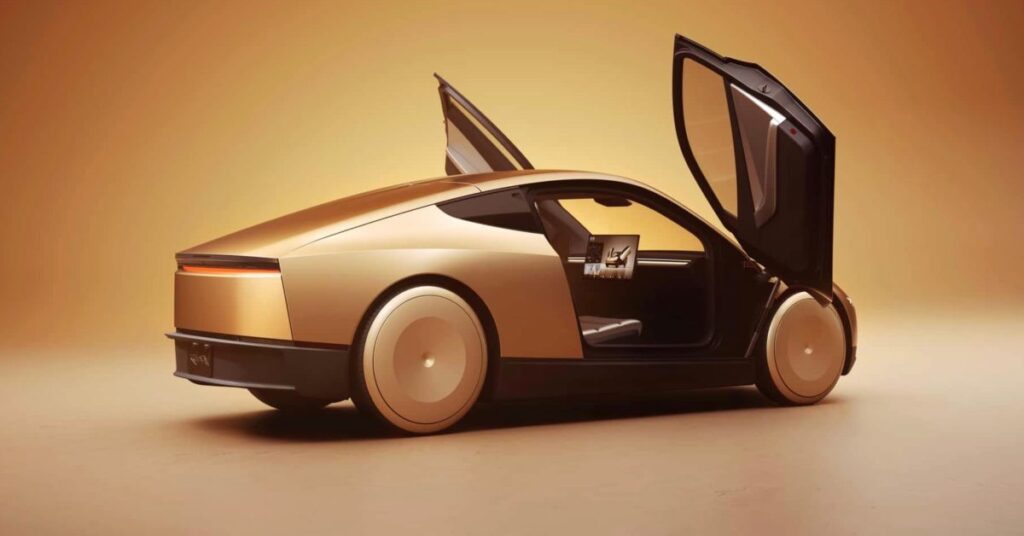
Tesla Cybercab: The pitch lands smooth, almost too smooth. Tesla wants you to believe the Cybercab is a money-printing machine on wheels—a driverless ATM that earns while you sleep. But here’s the uncomfortable truth hiding beneath the glossy robotaxi reveal: if these autonomous pods were genuinely profitable gold mines, Tesla wouldn’t be selling them to you. They’d keep every single unit for themselves. The math doesn’t work, and Tesla knows it. That’s precisely why the risk is being shifted onto your lap, not theirs.
Tesla’s Cybercab narrative is seductive in its simplicity. Buy a vehicle without a steering wheel, add it to the Tesla fleet network, and watch passive income roll in while you’re at work or asleep. The company even floated the idea of owners earning enough to cover their purchase price. Except—and this is where the friction starts—Tesla hasn’t disclosed a single concrete number. No MSRP. No battery capacity. No projected earnings per mile. No maintenance cost structure. Full stop. The only hard figure floating around is Elon’s suggestion that the Cybercab might cost under $30,000, a price point that sounds attractive until you realize it’s pure speculation with zero production timeline attached.
Here’s the thing about fleet economics that Tesla conveniently glosses over. Waymo One, Cruise Origin, and Zoox all operate their vehicles as vertically integrated services. They own the cars, the insurance, the maintenance depots, and the charging infrastructure. Why? Because that’s where the actual margin lives. Tesla’s plan flips this model upside down, turning you into an unpaid fleet operator who absorbs depreciation, insurance spikes, and charging costs while Tesla takes a cut of every fare. Do the math on that arrangement and ask yourself who’s really benefiting.
Why Tesla’s Risk-Shifting Reveals Its Own Doubts
Consider the logic for a moment. If robotaxis were the trillion-dollar opportunity Tesla claims, the rational play would be vertical integration. Keep the fleet in-house, control the entire revenue stream, and scale aggressively. That’s what every serious autonomous vehicle player is doing. Tesla’s decision to sell Cybercabs to individual buyers and small businesses signals something uncomfortable: the company isn’t confident enough in the unit economics to carry the risk itself. It’s the same pattern we’ve seen with solar leases and timeshare properties—when the promised returns are real, the seller keeps the asset. When they’re speculative, the seller offloads the risk to the buyer.
And then there’s the regulatory elephant in the room. The Cybercab, as unveiled, has no steering wheel or pedals. That design can’t legally operate on US roads today under current federal safety standards. Tesla will need exemptions, regulatory approvals, and state-by-state permissions that could take years. Meanwhile, Waymo is already operating paid robotaxi services in multiple cities with safety drivers and established regulatory frameworks. The Cybercab isn’t just behind on technology—it’s behind on the bureaucratic groundwork that determines whether this vehicle ever touches public asphalt.
The Hidden Costs That Wreck Your Robotaxi Fantasy
Let’s talk about what Tesla isn’t telling you about ownership costs. Insurance for autonomous vehicles is uncharted territory, and early indicators suggest premiums will be steep. When something goes wrong with a driverless car, liability questions multiply, and insurers price that uncertainty into your policy. Add in commercial insurance requirements if you’re operating as a fleet, and your “passive income” starts evaporating before you factor in a single charge.
Maintenance presents another unquantified headache. The Cybercab’s sensor suite—cameras, ultrasonic sensors, and the computing hardware required for full autonomy—represents thousands of dollars in components that will need calibration and eventual replacement. Tesla hasn’t published service intervals, part costs, or warranty terms for these systems. Battery degradation in a vehicle designed for constant ride-hailing duty cycles will accelerate faster than personal-use EVs. Residual values are a complete unknown, and early adopters of autonomous tech historically eat the steepest depreciation curves. Industry analysts project robotaxi maintenance costs could run 30-40% higher than personal vehicles due to continuous operation. Your profit margin isn’t just thin—it might be negative.

The Verdict: Who Should Sign and Who Should Walk
If you’re a tech enthusiast with disposable income who views the Cybercab as a collectible piece of automotive history, there’s an argument for reserving one. You’re buying a conversation piece, not an investment. But if you’re a practical buyer looking at the Cybercab as a revenue-generating asset, walk away. The economics don’t support it, Tesla’s risk-shifting strategy reveals its own uncertainty, and the regulatory timeline could stretch past the vehicle’s useful life. Your money is better parked in a traditional EV or even a modest index fund. The robotaxi revolution may come eventually—but it won’t arrive in your driveway with a profit guarantee attached. Not even close.