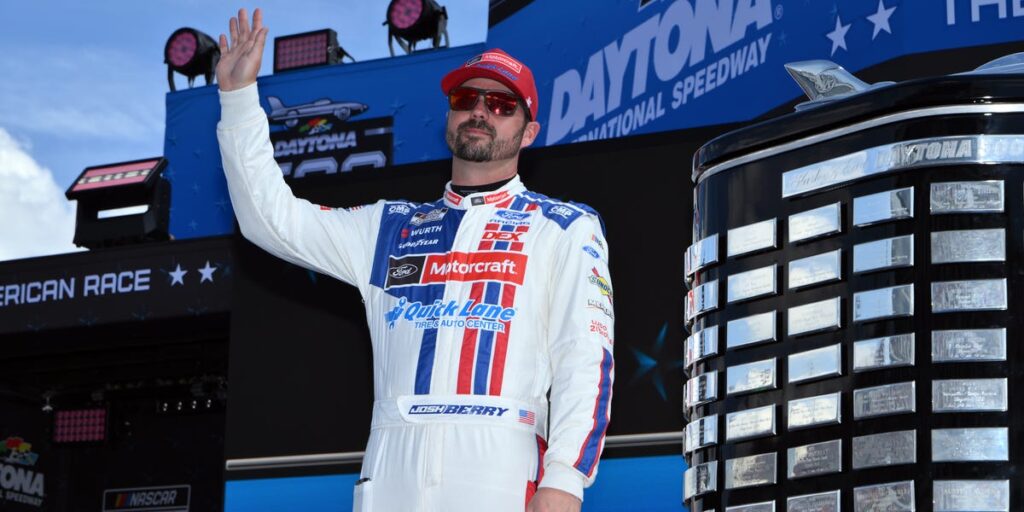
Josh Berry: Legacy Motor Club’s 2027 driver lineup just got a shakeup, but it comes with a price tag of exactly zero wins in the 2024 season—a hard number that should frame every conversation about this hire. Josh Berry will slide into the No. 42 Toyota next year, replacing John Hunter Nemechek, yet this single driver swap does nothing to fix the deeper mechanical and strategic gaps that have left the team mired in the midfield. So, does swapping one driver for another actually move the needle on race day, or is this just a reshuffling of deck chairs on a sinking ship? Let’s dig into the numbers and the reality of what Berry inherits.
Josh Berry: The 2027 Announcement: What We Actually Know

The news broke with minimal fanfare: Josh Berry, the 34-year-old veteran who’s bounced between Cup Series rides over the past three seasons, will take over the No. 42 Toyota for Legacy Motor Club starting in 2027. That’s a full year away, which raises an immediate question—why announce a driver change this early when the current season hasn’t even reached its halfway point? Legacy’s leadership clearly wants stability, but locking in a driver 18 months ahead of time feels more like a PR move than a performance strategy.
Berry’s resume includes a handful of top-10 finishes and a near-win at Richmond in 2023, but he’s never claimed a Cup Series victory. Compare that to Nemechek, who’s younger and has shown flashes of speed but also struggled with consistency. The swap suggests Legacy believes Berry’s veteran presence can stabilize the team’s development efforts, yet the underlying car platform remains the same Toyota that has failed to compete with Hendrick, Gibbs, or even Trackhouse on a weekly basis. You can change the pilot, but if the airplane’s engine is still sputtering, you’re just flying slower toward the same destination.
Legacy’s Performance Crisis: Zero Wins and Counting
Let’s put the 2024 season into perspective: Legacy Motor Club recorded zero wins across all 36 points races, with their best finish being a runner-up at Talladega that felt more like luck than speed. That’s not just a bad year—it’s a systemic failure that points to issues with chassis setup, pit crew execution, and engineering direction. Berry’s arrival doesn’t change any of those variables, and he’s not the type of driver who can overcome a deficient car through sheer talent alone, as evidenced by his middling results in similarly underfunded equipment at Stewart-Haas Racing.
So, what’s the actual plan here? Legacy has brought in technical alliances with Toyota’s factory programs, but those partnerships haven’t translated into race-winning speed. The team’s average starting position in 2024 was 22nd, and their average finish was 24th—numbers that would put any driver in the bottom third of the standings regardless of who’s behind the wheel. Berry might squeeze out a few more top-15s than Nemechek, but that’s the difference between finishing 28th and 25th in points, not a ticket to the playoffs.
There’s also the uncomfortable question of contract terms, which Legacy hasn’t disclosed. Is Berry signed for one year or three? What’s the salary structure, and does it include performance bonuses that could strain an already tight budget? Without those details, it’s impossible to judge whether this move makes financial sense or if it’s just a desperate attempt to generate headlines in a slow news cycle.
What Berry Brings to the Table—and What He Can’t Fix
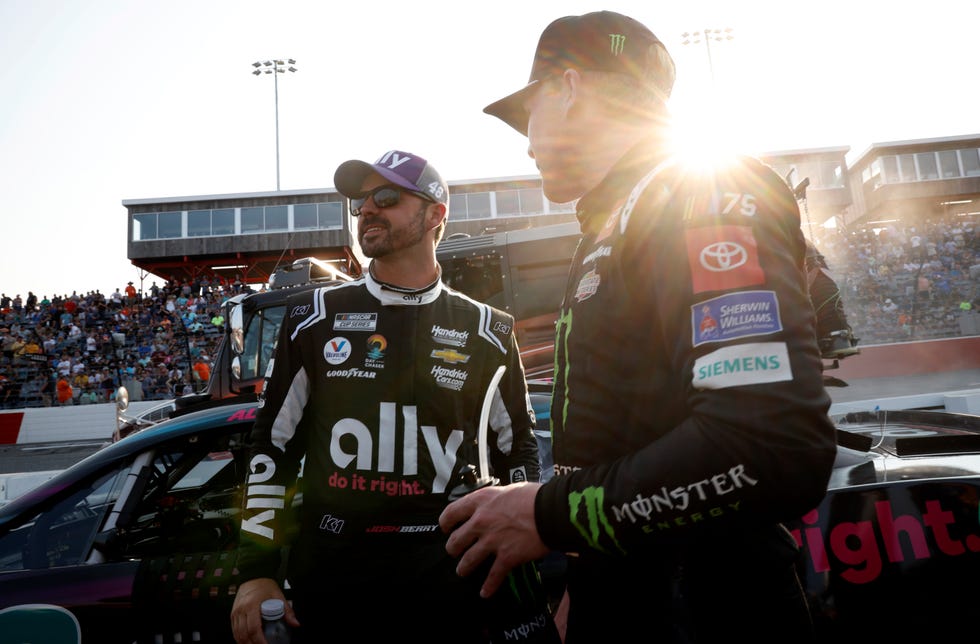
Berry’s strengths are real: he’s a proven winner in the Xfinity Series with 12 career victories, and he’s shown an ability to adapt to different tracks quickly. His short-track prowess, particularly at Bristol and Martinsville, could give Legacy a fighting chance on those specific circuits, where driver skill matters more than raw horsepower. But NASCAR’s modern schedule is dominated by 1.5-mile intermediates and road courses, where aerodynamics and engineering precision reign supreme—areas where Legacy has consistently lagged behind the top-tier organizations.
Let’s translate that into race-day reality: at a track like Charlotte or Kansas, Berry will likely qualify in the 20s and race around the same position all afternoon, hoping for cautions and pit strategy to shuffle the order. That’s not a recipe for winning; it’s a recipe for finishing 18th and collecting participation points. The team’s pit crew, which ranked 30th in average time lost during stops in 2024, won’t suddenly improve because a new driver is in the seat. And the engineering staff, which has struggled to find a consistent setup window, won’t magically unlock speed overnight.
There’s also the question of team chemistry. Berry is walking into an organization that’s seen multiple ownership changes, driver swaps, and crew chief rotations over the past two years. That instability takes a toll on morale, and it’s hard to build momentum when the leadership structure keeps shifting beneath you. Berry’s calm demeanor might help steady the ship, but he can’t single-handedly rebuild a culture that’s been fractured by constant turnover.
The Real Question: Why 2027 and Not Now?
Here’s the part that doesn’t add up: if Legacy believes Berry is the answer, why wait until 2027 to make the switch? Nemechek is under contract through 2026, but contracts can be bought out or restructured, especially when a team is underperforming. The delay suggests either Legacy lacks the financial flexibility to make an immediate change, or they’re hoping Nemechek’s development arc accelerates in the next 18 months—a bet that seems increasingly unlikely given his plateaued performance.
From a buyer’s perspective—if you’re a sponsor or a fan investing in this team—the 2027 timeline feels like a stalling tactic. Legacy is essentially asking stakeholders to wait two more years for a potential improvement that may never materialize. Meanwhile, competitors like 23XI Racing and Trackhouse are making gains right now, not promising future gains. The gap between Legacy and the frontrunners is widening, not narrowing, and a driver change alone won’t reverse that trajectory.
Consider the financial stakes: a full Cup Series season costs roughly $15 million to $20 million per car, and Legacy runs two entries. If Berry’s hire doesn’t produce tangible results by mid-2027, the team faces the prospect of losing sponsor revenue and falling further behind in the charter system’s revenue distribution. That’s a high-stakes gamble on a driver who’s never won at the top level, and the odds don’t look favorable.
The Verdict: A Lateral Move That Avoids the Real Problem
Josh Berry is a solid, dependable driver who will likely improve Legacy’s consistency and bring a professional attitude to the No. 42 team. But this hire is a lateral move at best, and it sidesteps the fundamental issues that have kept Legacy winless since 2023. If you’re a fan hoping this signals a turnaround, temper your expectations—Berry might deliver a few top-10s, but he won’t turn this team into a playoff contender without major investments in engineering and pit crew performance.
My advice to anyone emotionally or financially invested in Legacy Motor Club: watch what happens with the car development over the next 18 months, not the driver announcement. If the team shows meaningful speed gains by late 2026, Berry’s hire could be the final piece of a puzzle. If not, you’re just watching a different driver finish 22nd instead of 24th—and that’s not progress, it’s just a new face in the same old struggle.