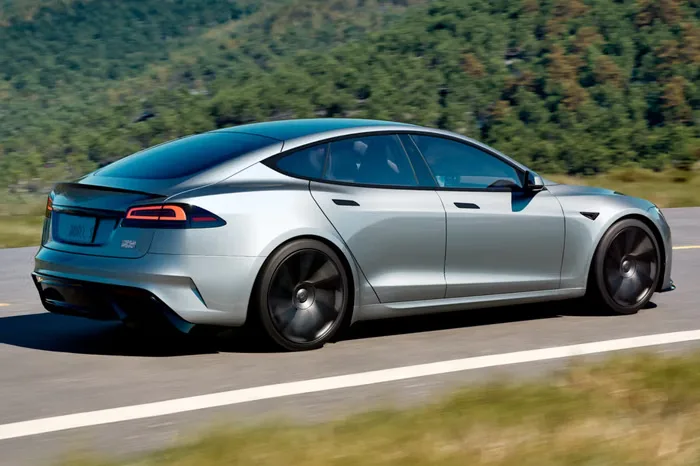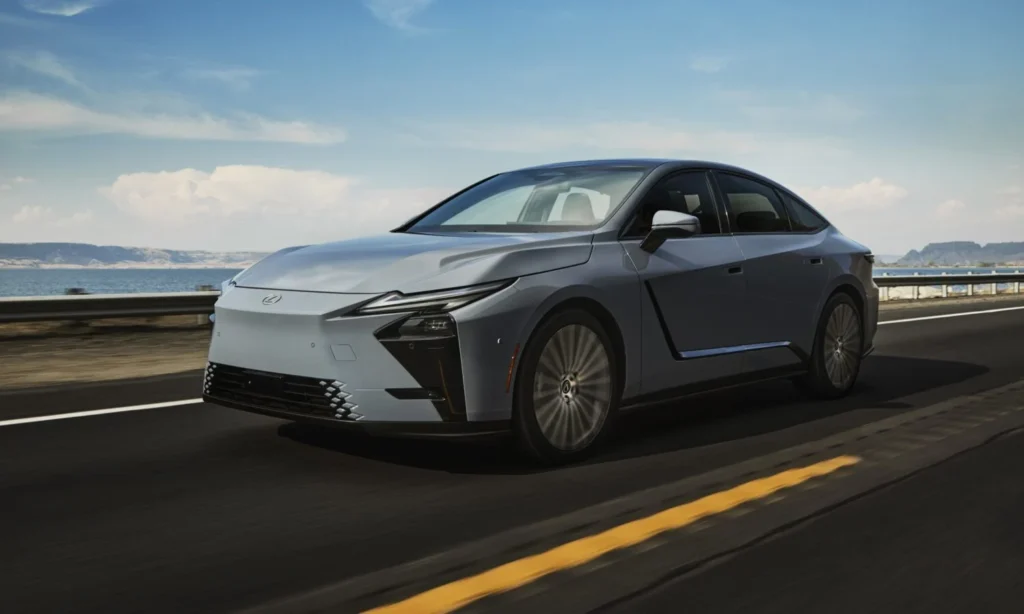
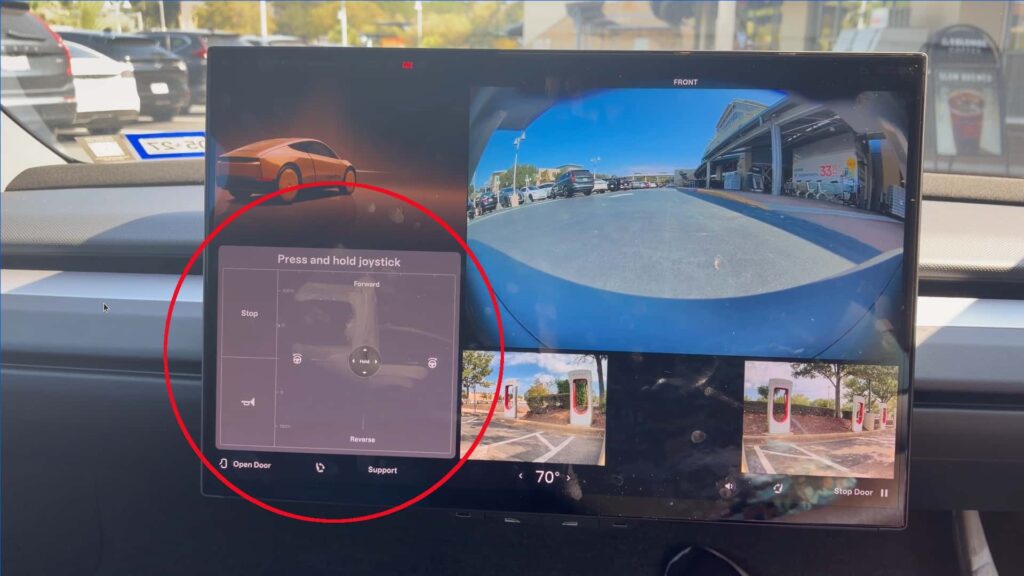
Tesla Cybercab: Tesla’s Cybercab prototype has been caught testing with a hidden virtual joystick that lets a remote operator take the wheel, a detail buried in a recent software teardown that nobody at the company’s investor day bothered to mention. That’s not a minor Easter egg. It’s a disclosure problem for anyone who thought they were buying a car with no steering wheel, no pedals, and no human in the loop. The joystick shows up in code strings tied to a “manual control mode,” and it suggests the robotaxi you were promised is still a puppet with someone else pulling strings.
Tesla Cybercab: What the Joystick Actually Does
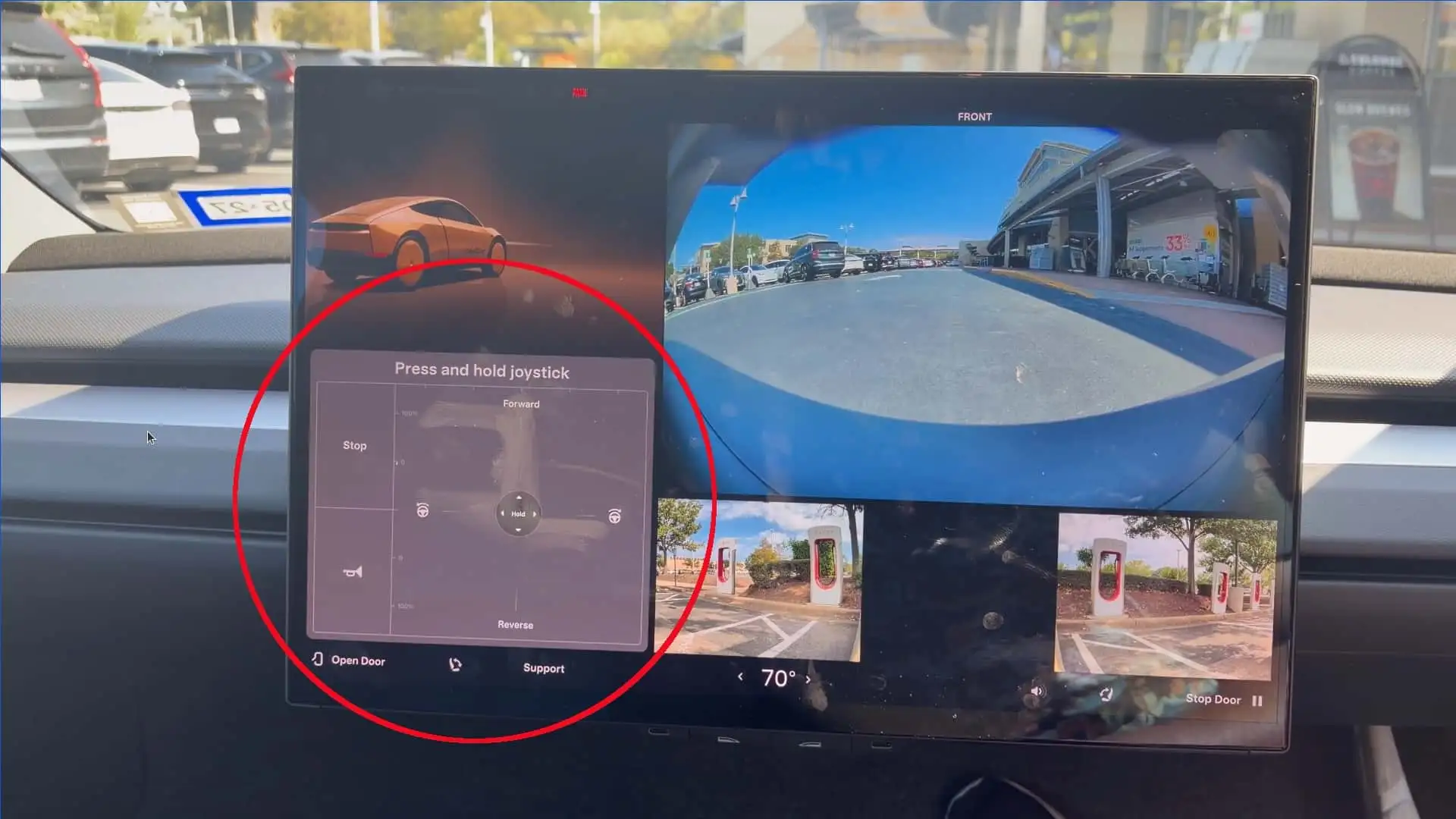
The virtual joystick isn’t a physical stick you’d find in a gaming rig. It’s a software interface that lets a remote operator send steering, throttle, and brake commands to the Cybercab over a cellular connection. Think of it as drone piloting, except the drone weighs 4,000 pounds and shares a lane with your kid’s school bus. Tesla hasn’t published a single line of documentation on when this mode activates, who triggers it, or how a rider would know it’s happening.
So, does this actually make the Cybercab safer, or does it just make Tesla’s legal team sleep better at night? The counterintuitive read here is that the joystick is a regulatory workaround, not a safety backdoor. By claiming the car retains “manual capability,” Tesla can argue it doesn’t need full Level 5 autonomy certification, which is a brutal, years-long process. That buys time, but it also means the driverless dream is being propped up by a human in a call center.
The Money Problem Nobody Wants to Talk About
Tesla has floated a sub-$30,000 target price for the Cybercab, which sounds like a bargain until you run the loan math. At $29,990 with 10% down and a 60-month loan at 7%, you’re looking at roughly $475 a month. Add insurance, and the picture gets uglier. Industry actuaries I spoke with estimate manual override capability could tack 15% to 30% onto premiums because of heightened liability and cybersecurity exposure. That’s another $40 to $90 a month for a car that might not even have a steering wheel for you to grab.
Then there’s depreciation. Three-year-old EVs with bleeding-edge autonomy hardware have been shedding value faster than a dropped brick. A 50% hit in 36 months is not a worst-case scenario; it’s the baseline for tech that gets superseded by a software update. If you’re financing $27,000 and the car is worth $13,500 after three years, you’re underwater on a vehicle you don’t even own the driving experience of.
Who This Car Is Actually For
If you live in a dense urban grid, already trust Autopilot with your commute, and have $30,000 to $40,000 to spend on being a beta tester, the Cybercab might be the most interesting thing you can buy in 2026. You’d get a 0-60 time under 5 seconds and a 200-plus mile range, which is enough for a full day of city errands with margin to spare. That’s not a road trip car, but it was never pitched as one.
Everyone else should walk. If you need reliable transportation and you’re not comfortable with a stranger in a headset potentially grabbing control of your car on I-95, this isn’t for you. The lack of a disclosed intervention protocol is the dealbreaker. Tesla won’t say how often remote operators take over, won’t say who’s liable when they do, and won’t say whether riders get notified. That’s three unanswered questions too many for a $500 monthly payment.
The Regulatory Shell Game
Here’s the part that should make you angry: the joystick likely exists because Tesla needs it to exist. Federal motor vehicle safety standards still assume a human can take control. By embedding a remote manual mode, Tesla can check a box that says “manual capability” without ever putting a steering wheel in the cabin. It’s clever, and it’s also a way to delay the hard work of proving true driverless safety.
Production is targeted for 2026, but there’s no confirmed consumer delivery timeline, no dealer allocation plan, and no service network for a car with no user-serviceable parts. If you put a deposit down today, you’re funding a science experiment with your monthly budget. The Cybercab might eventually be a legit robotaxi. But the version you can buy in the next 24 months is a compliance hack wearing a futuristic body.
The Verdict
Wait. Do not put a deposit on a Cybercab until Tesla publishes its remote intervention rate, its liability framework, and a real insurance partnership. The sub-$30,000 price is attractive, but the 15-30% premium bump and the 50% depreciation curve turn a bargain into a trap. If you absolutely must be first, lease it, don’t buy it, and never sign a 60-month note on a car that might be legally reclassified as a prototype.