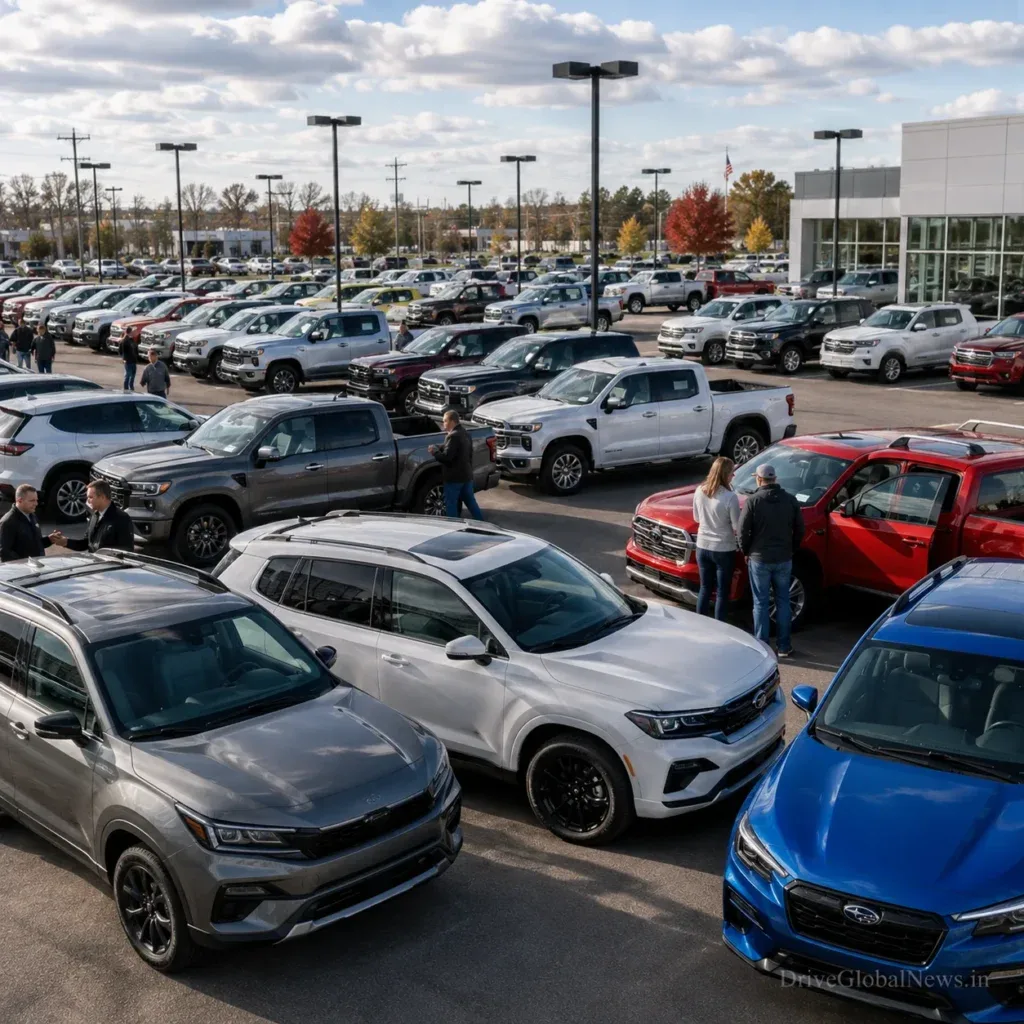
New-vehicle transaction prices have stayed stubbornly high through the summer of 2026. Recent monthly averages have hovered in the high $49,000 range, with July data showing one of the stronger readings of the year so far. The headline number near $49,000 reflects what real buyers are actually paying after discounts and incentives — not just sticker prices.
That figure is not temporary sticker shock. It is the new normal after years of supply constraints, richer feature content, and a shift toward higher-priced SUVs and trucks. Compact cars and smaller crossovers still offer lower entry points, but the overall market average keeps climbing because of what most shoppers choose.
Why Prices Are Stuck Near $49,000 Several forces are at work. Newer model years arrive with more standard technology and safety equipment. Full-size trucks and midsize SUVs dominate sales volume and pull the average upward. Incentives have fluctuated but have not returned to the deep discount levels of earlier years. Electric vehicles have seen some softening in average transaction prices at times, yet they still sit well above the overall market average.
Affordability remains a challenge for many households. The weeks of median income needed to buy a new vehicle stay elevated compared with pre-pandemic norms.
The Smartest Way to Buy Right Now
- Shop the segments that actually cost less Compact and subcompact SUVs, along with mainstream compact cars, still average well below the industry figure — often in the low-to-mid $30,000s. Focusing there is the single biggest lever most buyers have.
- Target inventory that has been sitting Vehicles that have been on the lot 60–90 days or longer are usually easier to negotiate. Dealers are more motivated on aging stock, especially as 2027 models begin arriving.
- Compare true out-the-door prices, not monthly payments Low advertised payments often hide longer loan terms, higher interest, or inflated fees. Get the full out-the-door number (price + taxes + fees + any add-ons) from multiple dealers before discussing financing.

- Check incentives and financing separately Manufacturer incentives, dealer cash, and special financing rates change frequently. Sometimes a lower interest rate from a credit union or bank beats the manufacturer’s special APR once the vehicle price is negotiated.
- Consider a slightly older new model or a certified pre-owned alternative Late-year leftover 2026 inventory or strong CPO programs can deliver most of the same features at a meaningful discount to the current average.
- Get pre-approved and keep the deal simple Arriving with financing in hand strengthens your position. Avoid unnecessary add-ons (extended warranties, paint protection, etc.) until the vehicle price is locked.
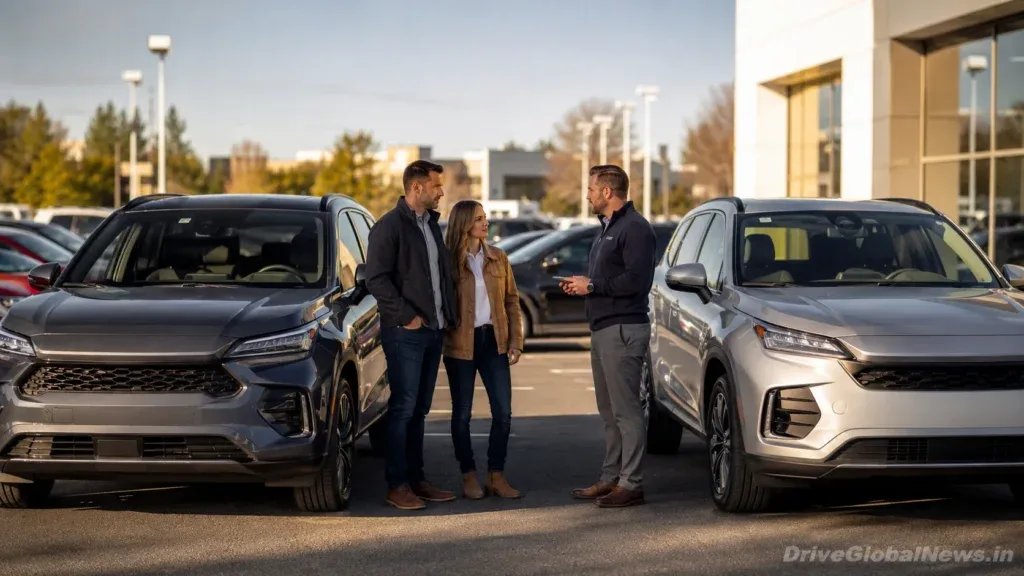
What Not to Do Do not fixate only on the monthly payment. Do not assume every dealer is discounting equally — some markets and brands remain tighter. Do not ignore total cost of ownership, including insurance, which can vary significantly by model.
The Bottom Line An average transaction price near $49,000 in August 2026 means most shoppers are still paying historically high amounts. The smartest path is not waiting for a dramatic price drop that may not arrive soon. It is choosing a more affordable segment, negotiating on actual inventory, separating the vehicle price from the financing, and walking away from deals that only look good on a monthly payment.
Buyers who treat the process as a series of clear, comparable numbers — rather than emotional negotiations — consistently pay less than the headline average.
Are you shopping new right now, or has the average price pushed you toward used or certified pre-owned?