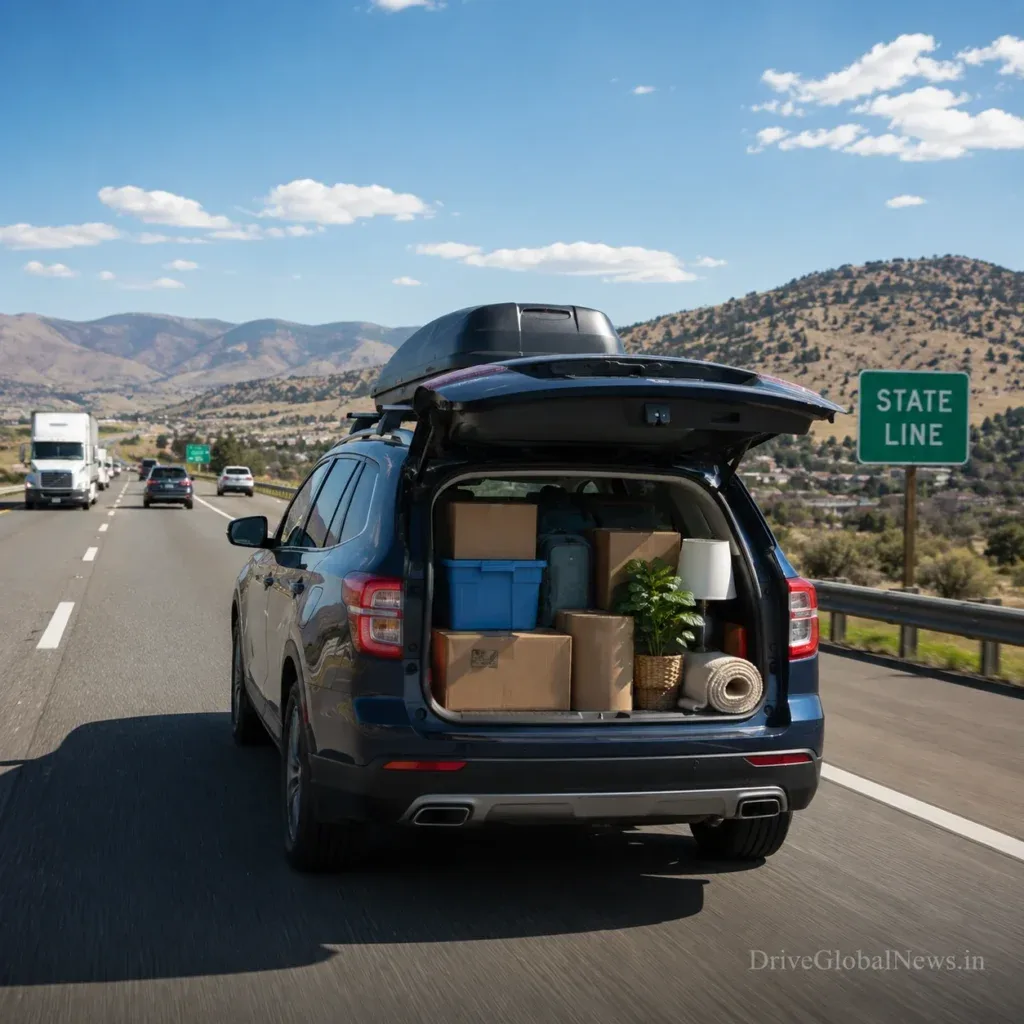
Car insurance is regulated at the state level. When you move permanently to a new state, your existing policy does not simply continue unchanged. Coverage rules, minimum limits, available companies, and your premium can all shift.
Here is what actually happens and what you need to do in 2026.
Your Policy Does Not Automatically Transfer A permanent move means you generally need a policy written for your new state. Your current insurer may be able to rewrite the policy if it is licensed there. If it is not, you will need to switch companies. Temporary travel across state lines is different — your existing policy usually covers you and adjusts to meet higher local minimums while you are visiting. Residency is what triggers the change.
Rates Almost Always Change Premiums are based heavily on the “garaging address” — where the car is primarily kept overnight. Local factors such as traffic density, accident rates, theft, weather risks, and repair costs all feed into the price. Moving from a rural area to a major city (or the reverse) can raise or lower your rate by hundreds of dollars a year. State-specific rules and claim trends also play a role.
Coverage Requirements Differ by State 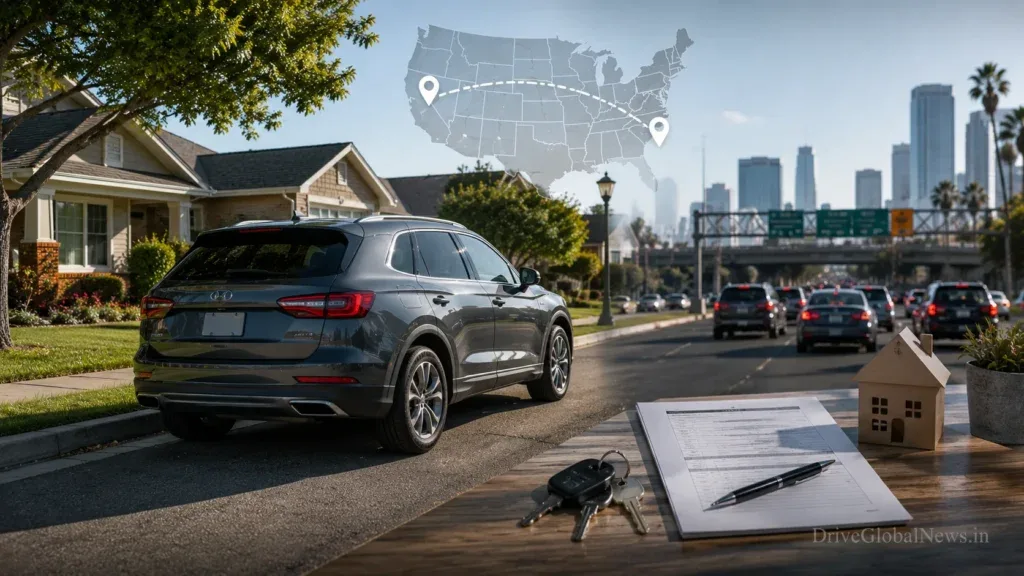
Minimum liability limits vary. Some states require personal injury protection (PIP) or uninsured/underinsured motorist coverage; others do not. No-fault versus at-fault systems change how claims are handled. A policy that met the minimums in your old state may fall short in the new one. You must meet the new state’s legal requirements.
What You Should Do — Step by Step
- Contact your current insurer before or immediately after the move. Tell them the new address and ask whether they can write a policy in the new state.
- Get quotes from other insurers licensed in the new state. Compare coverage levels, not just price.
- Put the new or rewritten policy in force before canceling the old one. A gap in coverage can lead to higher future rates and problems with lenders if the car is financed.
- Update your vehicle registration and driver’s license within the new state’s deadline (commonly 30 to 90 days after establishing residency). Proof of valid insurance is usually required for registration.
- Notify your lender of the address change if you have a car loan or lease.
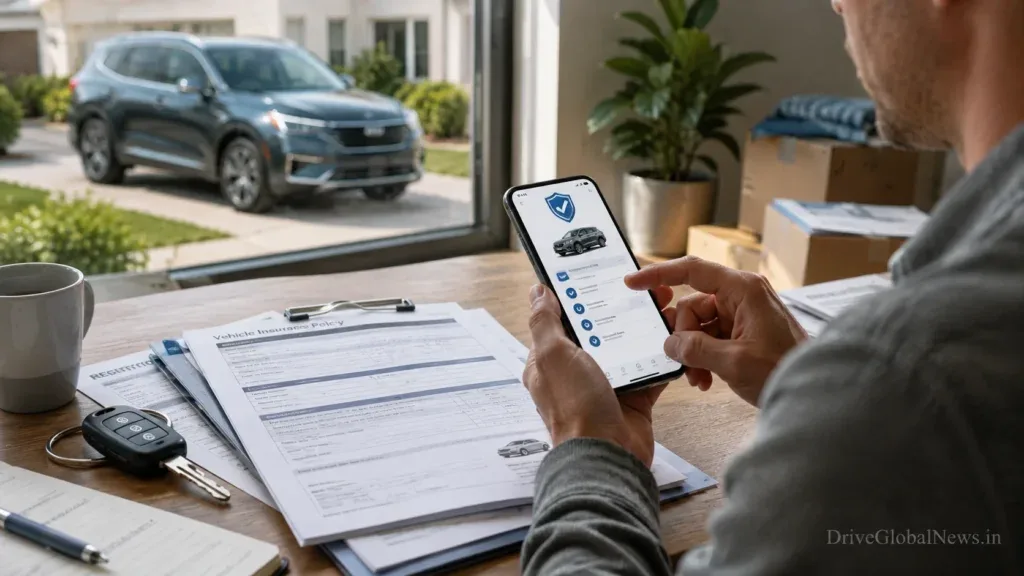
Common Mistakes to Avoid Do not keep the old state’s address on the policy to chase a lower rate. Insurers treat this as misrepresentation. If they discover it after a claim, they can deny coverage or cancel the policy. Do not let coverage lapse during the transition. Do not assume your old limits automatically satisfy the new state’s minimums.
Special Situations College students who keep a permanent address with parents can often remain on a parent’s policy, though the insurer may adjust the rate based on where the car is actually kept. Temporary work assignments or seasonal moves should be discussed with the insurer so the policy reflects the true risk.
The Bottom Line Moving to a new state requires an updated or new auto insurance policy that meets local rules and reflects your new garaging address. Rates will change, sometimes significantly. Start the process early, maintain continuous coverage, and confirm both insurance and registration requirements for the specific state you are entering.
Handled correctly, the transition is straightforward. Handled late or incompletely, it can leave you underinsured, facing fines, or dealing with claim problems.
Are you moving soon, or have you already relocated and run into insurance surprises?