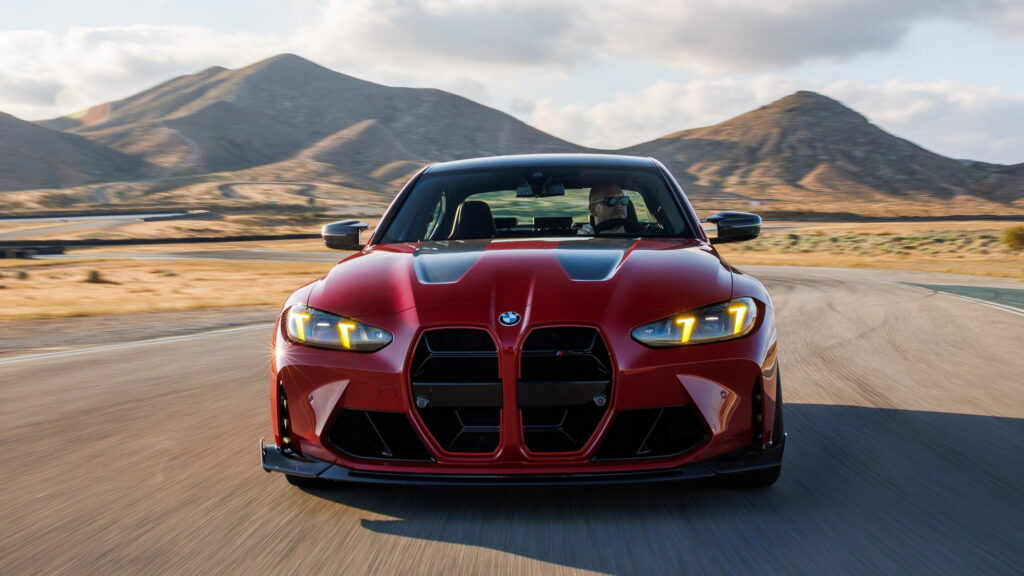
BMW (Brand-Level Sales Report) talk is circulating again, and the headline is doing a lot of heavy lifting. A claim suggests BMW brand sales are up while some models are allegedly having a very strange year. However, no named source, no URL, no date, and no confirmed figures back that assertion.
That absence matters enormously. According to the headline-only report, the trend exists. Yet no sales volumes, no model names, and no percentage change accompany it. Therefore, readers should treat every number as unverified until BMW of North America or an independent tracker like Cox Automotive publishes real data.
BMW sales: BMW (Brand-Level Sales Report) Claims Arrive Without Hard Numbers
| Engine | N/A — sales report, not a vehicle launch |
| Power | N/A |
| Price | TBA |
| Availability | TBA |
Automotive sales reporting usually runs on quarterly deliveries, dealer inventory snapshots, and incentive spending. This story skips all three. For instance, a legitimate brand-level report would name the X3, X5, 3 Series, or i4 individually and attach a year-over-year volume change to each.
Moreover, the phrase “very strange year” implies outliers somewhere in the lineup. Maybe an EV surged. Perhaps a sedan collapsed. Without measured figures, though, that phrase functions as a mood, not a fact. Buyers cannot act on a mood.
Journalists at outlets covering similar thin claims — like our previous coverage on EPA rules adding $3,000 to new car prices — know that missing methodology weakens everything downstream. Consequently, the responsible move here is transparency about what nobody knows.
What the Missing Data Actually Costs Shoppers
Consider how sales data normally helps buyers. Rising volume on a specific model often signals healthy inventory and softer pricing. Falling volume can precede incentives, trim cuts, or even discontinuation. Meanwhile, a strange year for one nameplate might mean the next model year brings a refresh or a quiet phase-out.
None of those signals exist in this report. As a result, anyone shopping a BMW right now is negotiating blind. Dealers know regional supply. Manufacturers know national volume. The public, per this headline, knows neither.
In contrast, BMW’s own investor materials and monthly release cycles eventually fill that void. Until then, the claim remains unverified. Therefore, treat any social post or forum thread citing this report as speculation wearing a headline’s clothing.
Why details remain unconfirmed Around Model Names Is Telling
Specificity separates reporting from rumor. A real sales story names the models. It cites the timeframe — a quarter, a half-year, a calendar year. Here, none of that appears. Additionally, no official BMW of North America statement exists, and no pricing, incentive, or inventory data accompanies the claim.
Mercedes-Benz USA and Audi USA publish comparable brand-level figures, which makes the omission stranger. Without BMW’s volume, no rivalry comparison is possible. Hence, phrases like “sales reportedly up” float free of any anchor.
The unanswered question stays simple. Which models are having a strange year, and by what measured year-over-year volume change? Until someone answers that with numbers, the story holds no weight.
Frequently Asked Questions
Q: Are BMW sales actually up in 2025?
Reports indicate BMW brand sales rose year over year, yet no official BMW of North America release confirms the exact volume. Therefore, treat the headline as directional rather than definitive until quarterly figures arrive from a named source.
Q: Which BMW models are having a strange year?
The source names no specific models. However, analysts often flag nameplates mid-cycle refresh or facing EV transition pressure. Consequently, buyers should wait for model-level data before drawing conclusions about any single BMW variant.
Q: Should I wait to buy a BMW this year?
Inventory and incentive data remain unavailable, so no clear timing advantage exists. Nevertheless, if sales soften on specific models, dealers may offer stronger discounts later. Compare quotes monthly and verify official BMW announcements first.
What Buyers Should Do Now
Option One: Wait for official numbers — BMW publishes quarterly U.S. sales data, and independent trackers follow within days. Once those figures land, you can see which models actually moved and which stalled.
Option Two: Shop inventory, not headlines — Call two or three dealers and ask about current stock and incentives on the model you want. Regional supply tells you more about your deal than any national trend claim.
Option Three: Track the story and hold your deposit — If you are close to signing, ask your dealer directly whether allocation or pricing is shifting. A vague headline should never rush a five-figure purchase.
The BMW (Brand-Level Sales Report) conversation will keep circulating because brand momentum sells clicks. Nevertheless, without verified volume data, no buyer should change course. Wait for the numbers. They always arrive eventually.