
Age is still one of the biggest factors in what you pay for car insurance. In 2026 the pattern is the same as it’s been for years: teens and early-20s drivers pay the most, rates fall hard around 25, stay relatively low through middle age, and then creep back up for seniors.
Here’s what the current averages look like and why 25 remains the big turning point.
How Rates Break Down by Age in 2026
Full-coverage averages (the kind most people with a loan or lease carry) show a steep decline through the early 20s:
- Teen drivers (16–19) often face the highest premiums in the market — frequently $5,000 to $8,000+ per year depending on the state, vehicle, and driving record.
- By age 20–24, rates are still elevated but falling. Many drivers in this range pay $3,000 to $5,000 annually for full coverage.
- At 25, the average drops noticeably for clean-record drivers. National figures commonly put full-coverage costs in the mid-$2,000s to low-$3,000s range at this age, with further gradual declines into the 30s and 40s.
- Drivers in their 40s through early 60s typically see the lowest rates.
- After about 65–70, rates start rising again as insurers factor in higher claim severity and changing driving patterns.
Exact numbers vary by source, state, credit, vehicle, and coverage limits, but the shape of the curve is consistent across major rate studies.

Why 25 Is Still the Magic Number
Insurers don’t pick 25 at random. Crash data shows risk drops significantly once drivers leave the under-25 group. Fatal crash rates per mile are much higher for 16–24-year-olds than for those 25 and older. By 25 most people also have several years of driving experience on their record.
Many companies stop applying the steepest “youthful operator” surcharges around this age. That reclassification, combined with more years of claims-free driving for a lot of people, produces the noticeable drop.
It’s not automatic, though. Your rate is recalculated at renewal, not on your birthday. A clean record helps the discount stick. An at-fault accident, speeding ticket, or poor credit can erase much of the age-related savings.
What Else Moves the Needle After 25

Once you clear the young-driver category, other factors start mattering more:
- Driving record and claims history
- Credit score (in most states)
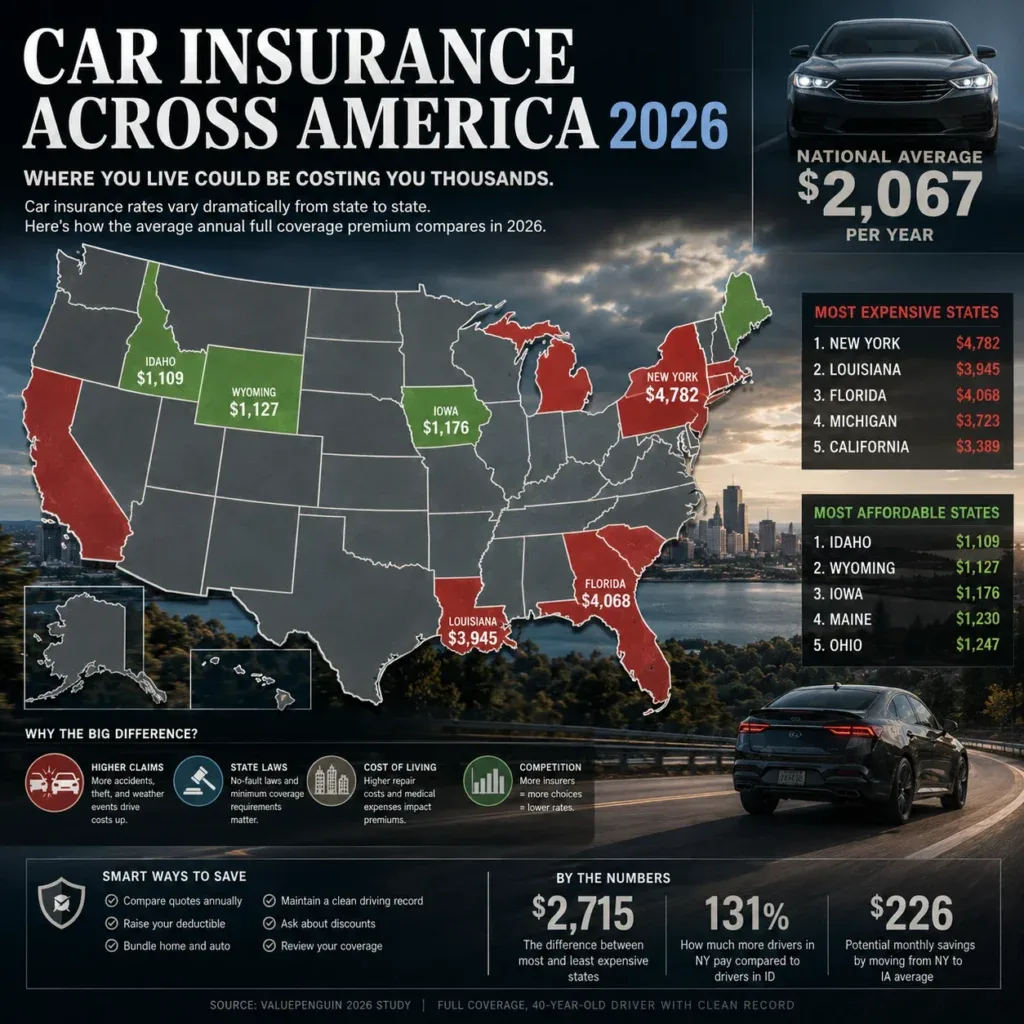
- Where you live and how much you drive
- The vehicle itself (safety ratings, theft risk, repair costs)
- Coverage limits and deductibles
Married drivers and those who bundle home or renters insurance often see additional savings. Shopping around at renewal still delivers the biggest wins for many people — even after the age 25 drop.
The Bottom Line for 2026
Turning 25 still marks a real shift for most drivers with clean records. Premiums typically fall as you leave the highest-risk age band, then stabilize through middle age before rising again later in life.
If you’re approaching 25, the smartest move is to compare quotes at your next renewal rather than waiting for an automatic adjustment. If you’re already past 25 and rates feel high, age is no longer the main driver — your record, location, and vehicle usually are.
Rates vary widely by state and individual profile. The averages only tell part of the story. Getting personalized quotes is the only way to know what you’ll actually pay.
Are you seeing the drop at 25, or has something else (tickets, location, credit) kept your rates higher than expected?