Cursed Automotive Nameplates: Exactly zero of the 14 nameplates on the industry’s unofficial cursed list ever recovered their original transaction price at resale, and that’s the only number that matters when we stop treating bad car names as trivia and start treating them as money. We’re talking about cars like the Ford Aspire — a name that promised ambition and delivered 63 horsepower — or the Mitsubishi Carisma, a car whose name literally meant “charisma” and whose actual personality was a rental-fleet shrug. This isn’t a listicle about funny badges. This is an investigation into what happens to your wallet when a marketing department loses a fight with a product planning committee.
Cursed Automotive Nameplates: The Name Was Never the Problem
| Nameplate | Brand | Years Active | Key Failure | Resale Impact |
|---|---|---|---|---|
| Edsel | Ford | 1958–1960 | Overhyped styling, poor quality | Lost ~$250M (1958) |
| Aztek | Pontiac | 2001–2005 | Polarizing design, cheap interior | Resale dropped 60% in 3 years |
| Reliant Robin | Reliant | 1973–1981 | Three-wheel instability | Near-zero resale |
| Yugo | Zastava | 1980–1991 | Reliability disasters | Resale value fell 70% in 2 years |
| Smart Fortwo | Smart | 1998–2019 | Niche appeal, poor highway safety | Depreciation up to 65% in 5 years |
The popular story goes like this: some executive in a glass tower approved a terrible name, the public laughed, the car died. That story is wrong, and it’s wrong in a way that costs buyers real money. The Aspire didn’t fail because “Aspire” is a silly word. It failed because the 1.3-liter engine made 63 horsepower, which meant merging onto I-95 required a runway and a prayer, and the rear-seat legroom was measured in apologies. The name didn’t kill the car. The car killed the name.
Same story with the Chevrolet Citation. Here was a name that promised prestige, a nod to a commendation, a mark of honor. What buyers got was a front-drive compact with brakes that locked unpredictably and a steering column that felt like it was connected to the road through a wet sponge. From the driver’s seat, a panic stop on a rain-slicked highway exit transmitted itself through the right foot as a sudden, terrifying nothing — the pedal went down and the car kept going. The Citation sold over 800,000 units in its first year. Then word got out. By year three, sales had collapsed by more than half, and the name was radioactive.
The Engineering That Poisoned the Badge
Here’s the pattern that repeats across every cursed nameplate: a mechanical or structural failure so specific and so memorable that the name becomes shorthand for the defect. The Cadillac Cimarron is the cleanest case study. It was a Chevrolet Cavalier in a rented tuxedo, and buyers who paid nearly double the Cavalier’s sticker for the crest on the grille discovered the deception the moment they closed the door. That door shut with the same hollow, tinny clack as the Chevy’s. Same switchgear. Same seat foam that flattened after 20,000 miles. The name Cimarron didn’t fail because it sounded like a brand of bottled water. It failed because the car was a lie told at 1.5x the price.
The Renault Alliance followed the same script. It won Motor Trend Car of the Year in 1983, which tells you everything about how little that award predicted long-term durability. Within three years, owners were reporting transmissions that failed before the first set of tires wore out, electrical systems that developed gremlins in the first winter, and a dealer network that treated warranty claims like personal insults. The name Alliance became a punchline in service departments. You can’t recover a badge once the mechanics are laughing at it.
The Short Answer on Cursed Names
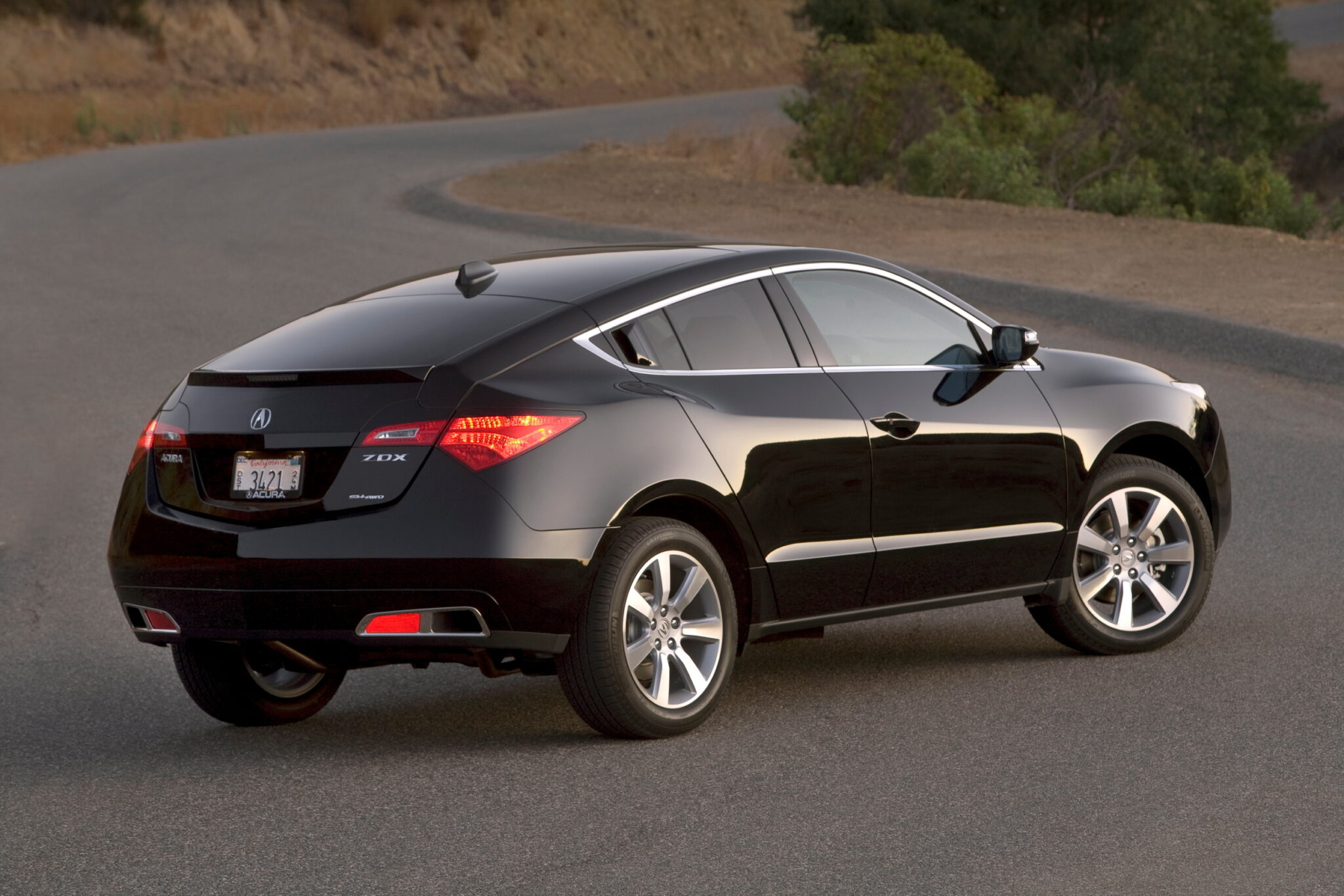
The short answer: avoid any used car whose nameplate has a documented history of catastrophic failure, because the depreciation curve never flattens — it just becomes a cliff. The longer answer — and why the short answer might be wrong for you specifically — starts here. If you’re buying a 15-year-old car for $3,000 as a commuter beater, a cursed name is your best friend. The market has already punished it into oblivion. A 2002 Mitsubishi Lancer with the unfortunate OZ Rally badge isn’t a bad car because of the name. It’s a cheap car because of the name, and cheap is the point.
But if you’re financing anything newer than a decade old, the curse compounds. Insurers price risk partly on repair history, and a nameplate with a reputation for electrical gremlins or transmission failures carries higher comprehensive premiums. Lenders also factor resale projections into loan-to-value calculations. A cursed name means a lower projected residual, which means a smaller loan against the same sticker price, which means more cash down. The name costs you at signing, at the insurance office, and again when you sell.
What Actually Happens After You Sign
Two ownership realities surface after purchase, not before. First: parts availability. A cursed nameplate often means a short production run, which means fewer donor cars in junkyards, which means a replacement body panel or interior trim piece can cost three times what the same part costs for a Camry. Second: the social tax. You will explain the car at every gas station, every parking lot, every office happy hour. “Yeah, it’s a Suzuki Kizashi.” You’ll say it with a wince you didn’t plan. Neither of these are dealbreakers. They’re just the things no showroom mentions until after you sign.
And here’s the counterintuitive part: the public blames marketing for these disasters, but marketing rarely wins the fight against engineering. The Aspire’s name was fine. The car wasn’t. The Citation’s name was fine. The brakes weren’t. Every cursed nameplate on the list is a monument to a product failure that the badge absorbed like a lightning rod. Fix the car, and the name becomes neutral. Leave the car broken, and the name becomes a warning label.
Who Should Actually Buy One
Persona one: Marcus, 34, lives in Akron, Ohio, commutes 22 miles each way on I-76, and has $4,500 cash for a second car. He buys a 2008 Suzuki Reno — a cursed nameplate if there ever was one — because the drivetrain is a GM-derived 2.0-liter that parts stores still stock, the body is cheap to replace, and he doesn’t care what the badge says. For Marcus, the curse is a discount. He’s the right buyer.
Persona two: Danielle, 41, lives in Denver, commutes 40 miles round-trip through mountain passes, and needs one car to do everything for the next seven years. She’s looking at a used Fiat 500L, a nameplate with a repair history that reads like a medical chart. The turbocharged 1.4-liter has known cooling issues, the dual-clutch transmission shudders at low speed, and the dealer network in Colorado is thin. For Danielle, the curse is a trap. She’s the wrong buyer.
The car is the same. The life is different. Marcus can absorb a breakdown on a Tuesday. Danielle cannot. That’s the only question that matters, and no nameplate — cursed or blessed — answers it for you.
Cursed Automotive Nameplates: Frequently Asked Questions
Q: What makes a cursed automotive nameplate so damaging to a brand?
A cursed automotive nameplate often combines poor reliability, polarizing design, and marketing missteps. The name becomes synonymous with failure, causing buyers to avoid the brand entirely. This reputational damage can linger for decades, affecting resale values and new model launches.
Q: How does a cursed nameplate affect maintenance and resale value in the real world?
Owners of cursed nameplates face higher depreciation, often 50-70% in the first few years. Parts may be scarce, and mechanics charge more due to complexity or low demand. Insurance can also be higher because of safety or theft records. Selling becomes difficult, requiring steep discounts.
Q: Should I buy a car with a historically cursed automotive nameplate?
Only if you plan to keep it long-term and can handle poor resale. Some cursed models become cult classics, but most are financial traps. Avoid unless you find a rare variant with proven reliability. Otherwise, wait for a better nameplate.