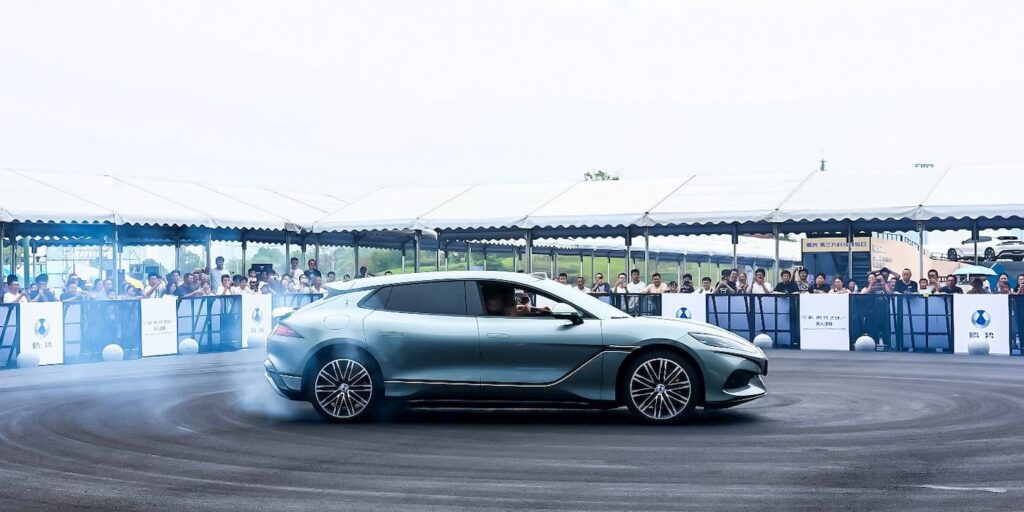
Denza Z9 GT: BYD’s new Denza Z9 GT e3 Premium lands in China at roughly $50,000, which is about $12,000 less than the previous entry point for this electric luxury shooting brake. That price cut isn’t charity—it’s a strategic response to a slowing domestic EV market and intensifying competition from the likes of Nio and Xpeng. But before you start calculating how to get one stateside, let’s dig into what this trim actually delivers and whether the savings are worth the compromises.
Denza Z9 GT: The Price Play: What $50,000 Buys You in the Luxury EV Segment
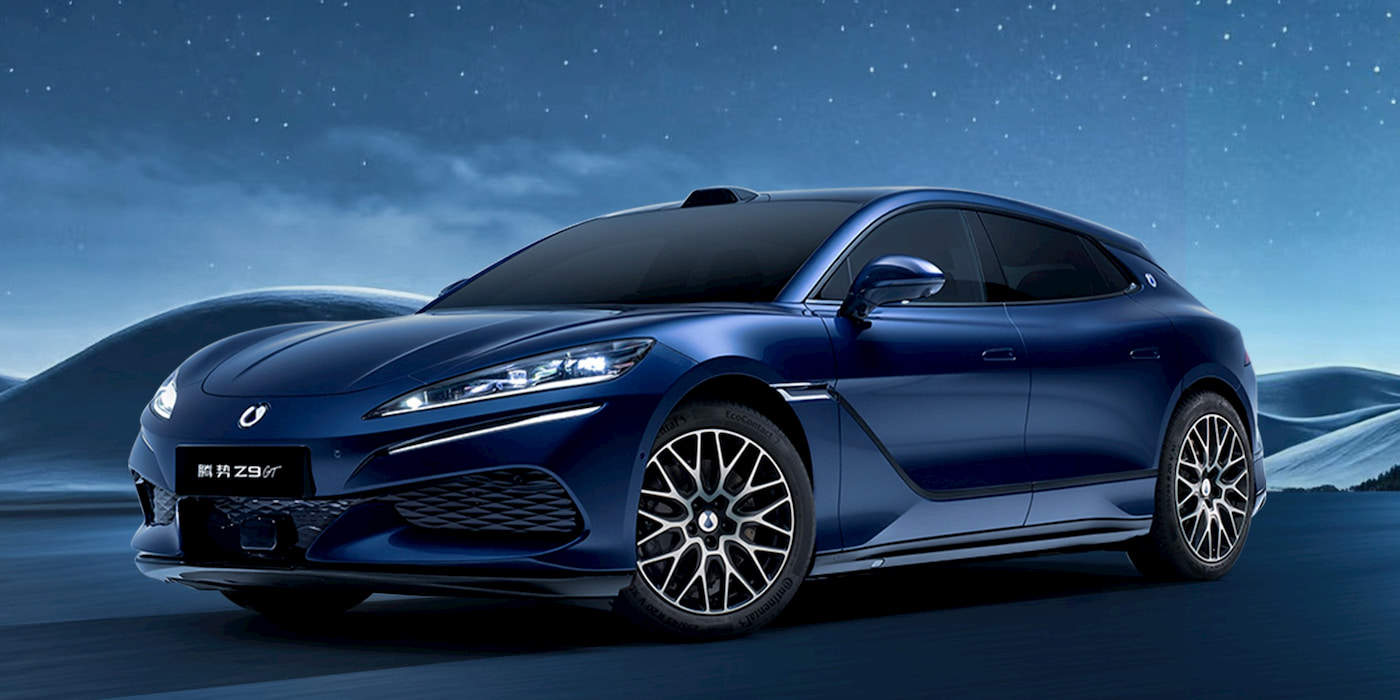
At $50,000, the Denza Z9 GT e3 Premium undercuts its own higher-spec siblings by a meaningful margin, and it positions itself directly against the Tesla Model S and Lucid Air in global pricing terms—though those comparisons only matter if BYD actually exports this model. The e3 Premium designation suggests a single-motor rear-wheel-drive setup, which would explain the cost reduction, but BYD hasn’t confirmed the exact powertrain details for this trim. What we do know is that the Z9 GT platform uses BYD’s e3 architecture, which supports 800-volt charging—that’s the same tech that lets the Porsche Taycan recover 200 miles of range in about 20 minutes.
So, does this actually justify a $5,000 premium over a well-equipped Tesla Model 3 or a base BMW i4? Let’s look at the numbers. A $50,000 EV with a 5-year loan at 6% interest lands you around $966 per month before insurance and maintenance. That’s a serious payment for a vehicle from a brand that has zero dealer network in the US, no service centers, and no established resale market. The luxury GT body style—think sleek coupe-like roofline with practical hatchback rear—is genuinely appealing, but you’re paying for design and battery tech, not for ownership peace of mind.
Range and Battery: The Missing Specs That Should Worry You
BYD hasn’t published the exact range or battery capacity for the e3 Premium trim, and that silence is telling. The previous Z9 GT variants offered up to 400 miles on the CLTC cycle, which translates to roughly 330 miles on the stricter EPA test used in the US. If the e3 Premium uses a smaller battery to hit that $50,000 price point, you could be looking at 280-300 miles of real-world range—that’s Columbus to Pittsburgh without stopping, but it’s also cutting it close for any detours or cold-weather driving.
The trade-off is clear: for potential buyers: BYD’s blade battery chemistry is LFP (lithium iron phosphate), which has excellent cycle life but lower energy density than the NMC packs used by Tesla and Lucid. That means the e3 Premium likely needs a larger physical battery to achieve competitive range, which eats into the weight savings and efficiency gains. In daily driving, you’re looking at a vehicle that charges from 10% to 80% in about 25 minutes on a 350kW DC fast charger—assuming you can find one that’s compatible and actually delivers those speeds, which is a big assumption outside China’s dense charging network.
The Global Rollout Question: Tariffs, Taxes, and Infrastructure Gaps
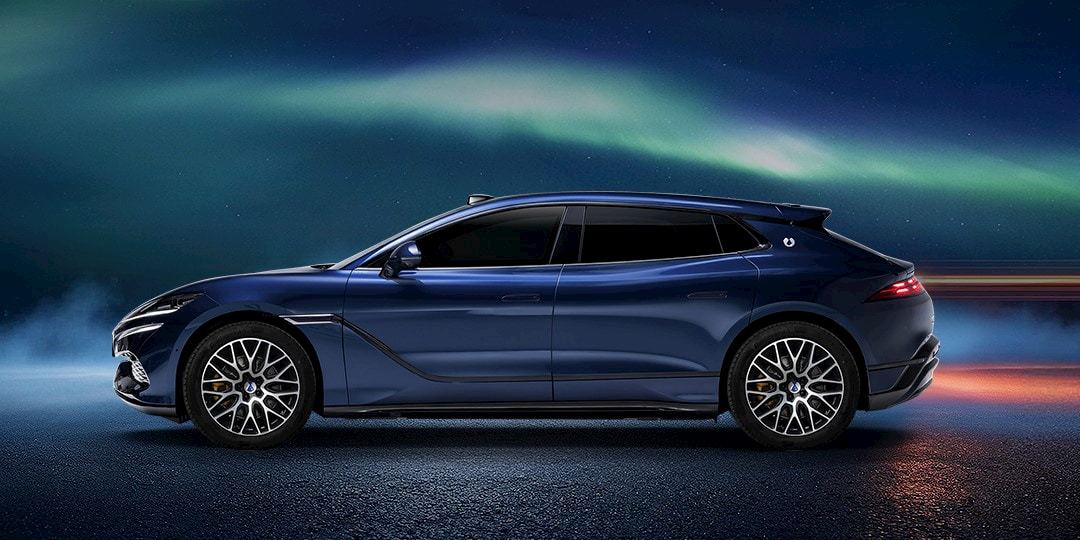
If you’re in the US or Europe, the $50,000 price tag is almost meaningless because BYD hasn’t confirmed any export plans for the Denza brand. Even if they did, the 100% tariff on Chinese EVs in the US would push this car to around $100,000 overnight, and European import duties plus VAT would add 20-30% on top of the base price. That’s the difference between an attractive luxury EV and a financial mistake that you’ll be explaining to your spouse for the next six years.
The charging infrastructure question is even more critical. China has over 2.5 million public charging points, and BYD’s home turf is littered with 800-volt ultra-fast chargers that can actually deliver the e3 Premium’s maximum charging speed. In the US, the CCS network is spotty outside major metros, and Tesla’s Supercharger network—which is now opening to other brands—still has compatibility issues with 800-volt architectures. You could buy this car and find that your “15-minute charge” takes 40 minutes because the station caps out at 150kW, turning every road trip into a logistical puzzle.
Margin Pressure and Market Signals: Why BYD Is Cutting Prices
The counterintuitive angle here is that this lower-priced trim isn’t primarily about helping consumers—it’s about BYD defending its market share in a brutal price war. China’s EV market grew only 5% in the first half of 2025, down from 30% growth in previous years, and BYD’s profit margins have been squeezed by aggressive discounting from rivals like Geely and Changan. Launching the e3 Premium at $50,000 is a defensive move to maintain production volumes at their factories, which are running at about 80% capacity.
For buyers, this means you’re getting a genuinely capable luxury GT at a price that undercuts German rivals by $20,000 or more, but you’re also stepping into a vehicle that will likely see a newer, better version within 18 months. EV depreciation is already brutal—most lose 40-50% of their value in three years—and BYD’s rapid iteration cycle means your “new” car will feel dated quickly. The e3 Premium makes sense if you’re in China, have access to home charging, and plan to keep the car for 5-7 years. For anyone else, the $50,000 price is a mirage that evaporates the moment you factor in tariffs, infrastructure gaps, and resale risk.
Verdict: The Denza Z9 GT e3 Premium is a compelling luxury EV at its domestic price, but it’s only a smart buy if you live in China and can leverage the local charging network. Outside that context, the $50,000 figure is misleading—import costs, lack of service infrastructure, and rapid depreciation make it a poor financial choice. Wait for BYD to establish a proper global presence, or look at the Model 3 Long Range or Hyundai Ioniq 6 if you want a practical EV at this price point today.