Ford’s Michigan Solar Gamble: What the Unknown Means for Buyers
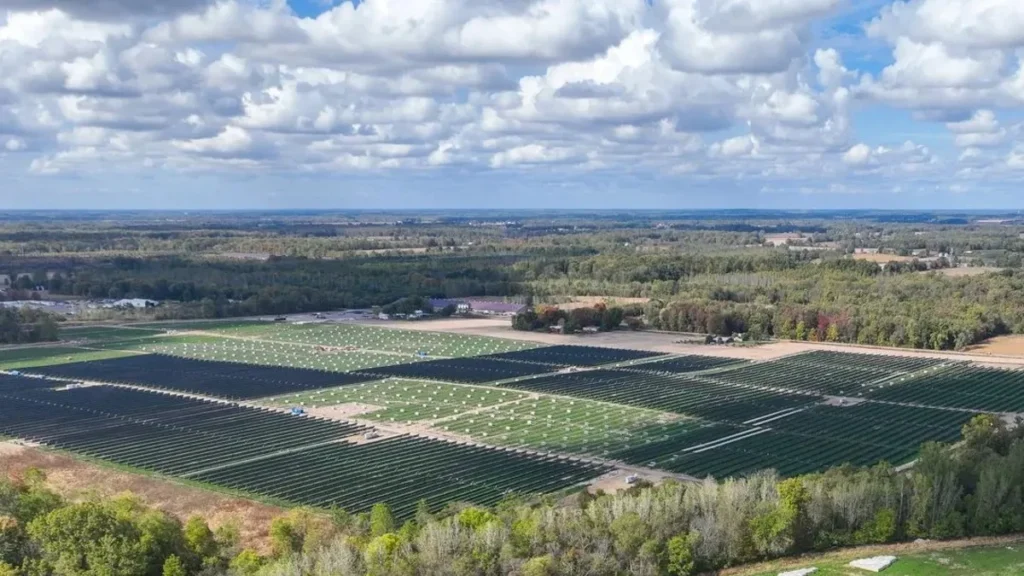
Ford has committed to backing a new solar farm designed to power its Michigan factories, but the Unknown details surrounding this project leave more questions than answers. The automaker confirmed the initiative through a headline announcement, yet no capacity figures, cost projections, or construction timelines have been disclosed. For an industry that typically broadcasts every kilowatt and every dollar, this silence stands out. Moreover, the lack of specifics raises immediate concerns about whether this represents a genuine strategic shift or simply a publicity play.
The core news is straightforward enough. Ford will support a solar installation meant to feed electricity into its Michigan manufacturing operations. That much has been confirmed. However, the scale remains unverified. How many megawatts will this farm generate? When will it come online? What percentage of factory demand will it actually offset? None of these questions have been answered.
Why the Unknown Surrounds Ford’s Solar Ambitions
Digging deeper, the announcement arrived without the usual supporting documentation that accompanies major infrastructure investments. No press release details. No EPA filings. No cost breakdowns. This thin sourcing makes it difficult to assess whether Ford is making a meaningful commitment or testing public reaction before finalizing terms.
Consider the context. Ford operates some of the most energy-intensive manufacturing facilities in North America. Its Michigan plants produce the F-150, the Mustang, and various electric vehicles. Powering those operations requires enormous baseload capacity. A solar farm, by nature, provides intermittent generation. Therefore, the question of how much factory electricity will actually come from this project remains unanswered.
Industry observers have noted that similar announcements from competitors typically include at least basic capacity figures. General Motors has publicized solar agreements with specific megawatt counts. Tesla has done the same at its Gigafactories. Ford’s decision to withhold such data, whether intentional or simply premature, creates a vacuum that speculation fills.
What This Means for the Broader EV and Manufacturing Landscape
The timing of this announcement matters. Automakers face mounting pressure to reduce carbon footprints while managing volatile energy costs. Solar power offers a hedge against rising electricity prices, particularly in the Midwest where grid costs have climbed steadily. Nevertheless, without knowing the project’s capacity, analysts cannot calculate potential savings or emissions reductions.
This situation echoes other recent developments where initial claims outpaced verified data. Readers may recall the coverage of unverified range claims that required careful scrutiny before buyers could make informed decisions. The same skepticism applies here. Ford’s solar farm could be transformative, or it could be a modest pilot program. The headline alone does not tell us which.
For consumers, the implications trickle down in indirect but real ways. Manufacturing energy costs factor into vehicle pricing. If Ford successfully reduces its electricity expenses through solar generation, some of those savings could theoretically reach buyers. However, that outcome depends entirely on project scale, which remains undisclosed.
The Competitive Picture Remains Murky
Comparing Ford’s move to rival initiatives proves difficult without baseline numbers. Competitors have announced solar projects with clear capacity targets and completion dates. Ford has done neither. This absence of detail makes it impossible to judge whether the automaker is leading, matching, or lagging its peers.
Supply chain partners and investors will likely press for specifics in coming months. Wall Street generally rewards concrete plans over vague intentions. Therefore, Ford may face pressure to release additional information sooner rather than later. Until that happens, the project exists in a state of uncertainty that benefits no one.
What Buyers Should Do Now
Option One involves patience. Wait for Ford to release verified capacity and timeline data before drawing conclusions about the project’s significance. Option Two means focusing on what can be confirmed today, such as Ford’s existing vehicle lineup and current incentives, rather than speculating about future energy savings. Option Three suggests monitoring regulatory filings, which often reveal project details before formal announcements occur.
The Unknown elements of Ford’s solar farm do not necessarily indicate problems. They simply reflect an early-stage announcement that lacks supporting documentation. Buyers should treat the claim as unverified until Ford provides concrete figures. Moreover, they should recognize that corporate sustainability pledges, however promising, only matter when backed by measurable results. For now, the smart approach is to watch, wait, and demand specifics before celebrating.
Ford solar farm: What Buyers Should Do Now
Ford solar farm: Wait for official manufacturer confirmation before committing funds. Check EPA filings, published pricing, and production timelines.
Frequently Asked Questions
Q: What is Ford’s new solar farm project?
Ford is backing a large solar farm intended to supply electricity to its Michigan factories. The project aims to reduce the automaker’s reliance on grid power and lower its operational carbon footprint, though Ford has not yet disclosed the farm’s capacity or exact location.
Q: How much of Ford’s factory electricity will come from solar?
Ford has not confirmed what share of its Michigan factories’ electricity the solar farm will supply. Without published capacity figures or power purchase agreements, the actual contribution to Ford’s manufacturing energy mix remains unclear and unverified.
Q: When will the Ford solar farm start generating power?
No construction timeline or completion date has been announced. Solar projects of this scale typically take one to three years from approval to operation, but Ford has not shared a schedule, so any timeline is currently speculative.