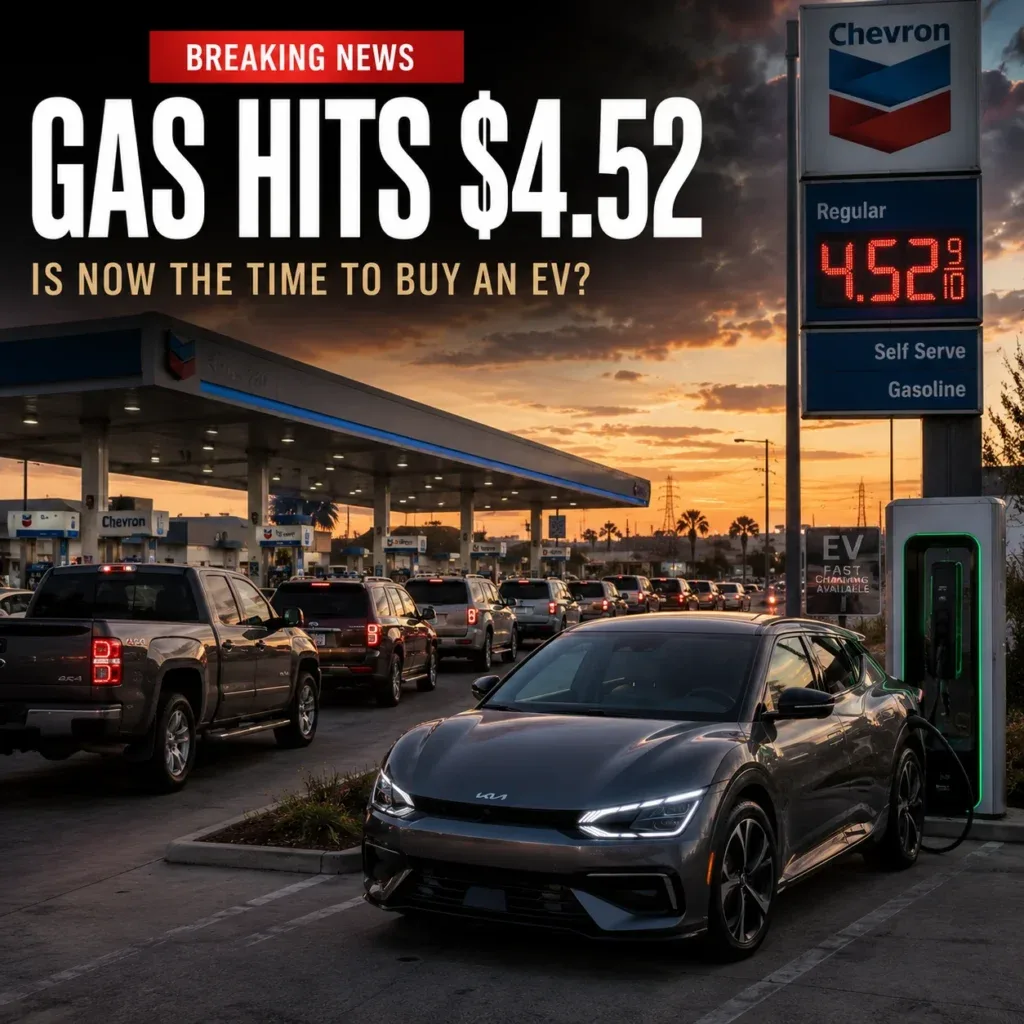
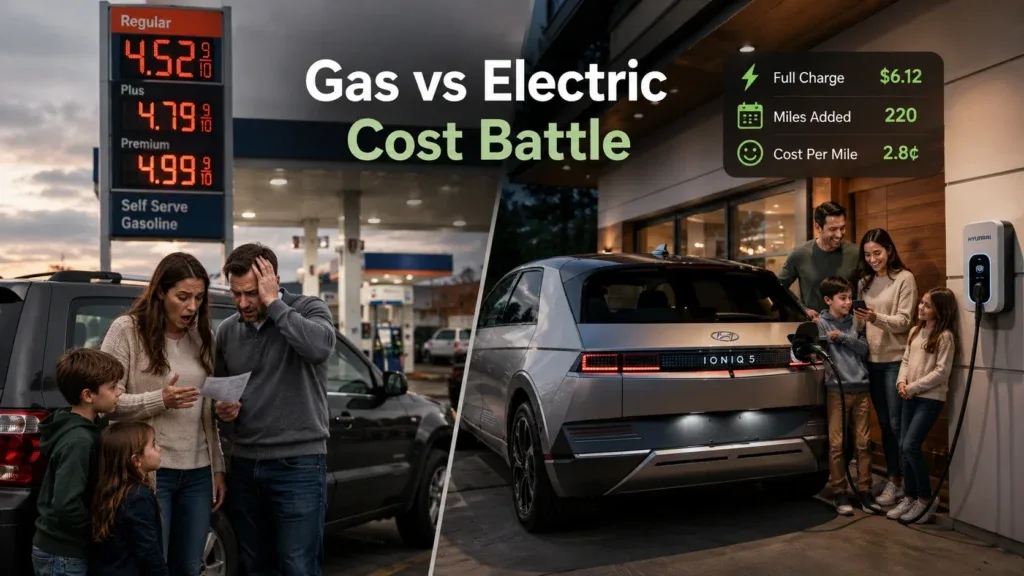
$4.52 per gallon.
That’s where regular unleaded gasoline sits nationally as of Sunday May 11, 2026 — up more than 50% since the United States entered the conflict with Iran on February 28. Iran’s blockade of the Strait of Hormuz has choked off roughly 20% of global oil supply. Prices soared. And they’re not coming down quickly.
President Trump said Monday he “aims to suspend the gas tax” — the 18.4-cent federal levy on every gallon of gasoline. Republican senators are already drafting legislation. If it passes, it would save drivers roughly $2.75 on a 15-gallon fill-up. Every week.
Here’s the honest picture of what’s happening, what might change, and what car buyers should actually do.
What the Gas Tax Suspension Would Actually Do
Let’s be direct about the math. The federal gas tax is 18.4 cents per gallon. A typical American who fills up a 15-gallon tank once a week spends about $2.76 per fill-up on the federal tax. Over a year — roughly $143 in savings if the tax is fully suspended.
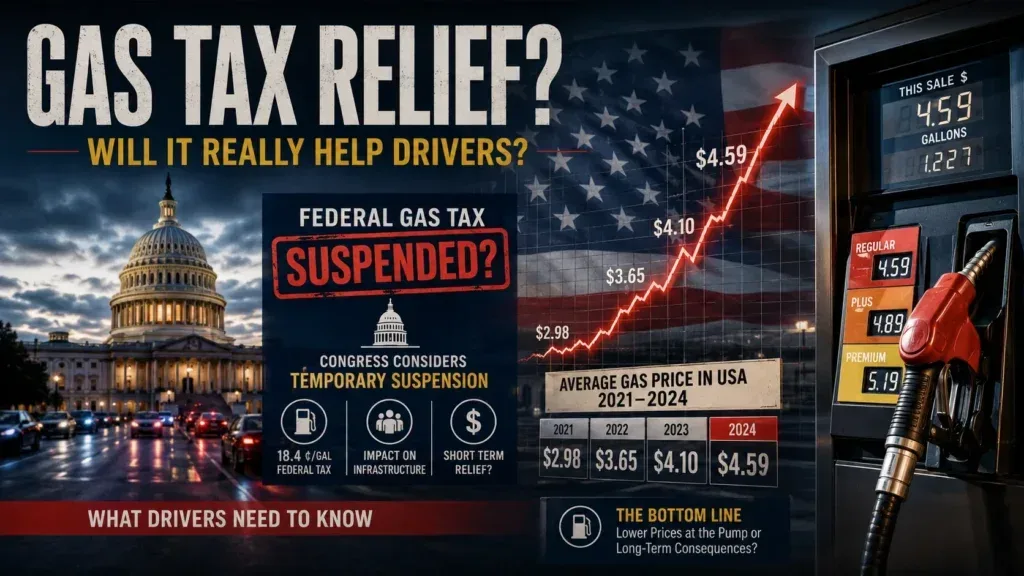
That’s meaningful for individual families, especially lower-income drivers for whom fuel costs are a significant budget item. But suspending 18.4 cents doesn’t fix a $4.52 problem. Even with zero federal tax, gas would still cost $4.34 per gallon — still the highest prices Americans have seen in years.
The gas tax suspension is political signaling as much as economic relief. The real problem is the Strait of Hormuz. Until that situation resolves — diplomatically or otherwise — gas prices will remain elevated regardless of what Congress does with the excise tax.
What $4.52 Gas Actually Costs American Drivers
Here’s the number that matters for anyone driving a gas-powered vehicle right now.
The average American drives approximately 13,500 miles per year. In a vehicle averaging 28 MPG — close to the current national fleet average — that requires about 482 gallons of gas annually.
At $4.52 per gallon: $2,179 per year in gas costs.
At the pre-conflict price of roughly $2.95 per gallon: $1,422 per year.
The Iran-driven price surge is costing the average American driver an extra $757 per year compared to where prices were in late 2025. For families with two vehicles, that’s $1,514 in additional fuel spending — real money that’s coming directly out of household budgets.
also read : https://driveglobalnews.in/mercedes-just-confirmed-a-1340-hp-electric-sup/
What This Means for EV and Hybrid Buyers
Every dollar gas prices rise makes the financial case for electrification stronger and faster-acting.
For a buyer comparing a Toyota RAV4 Hybrid (40 MPG) against a gas-only compact SUV (28 MPG) at current prices: the hybrid saves approximately $540 per year in fuel. At $4.52 gas, the hybrid’s cost advantage has never been larger. The payback period on the hybrid premium — typically $2,000-$3,000 — is now measured in roughly 4-5 years rather than 6-7.
For a buyer comparing a Hyundai Ioniq 5 EV (electricity cost approximately $0.04/mile at home charging) against a gas compact SUV ($4.52/gallon, 28 MPG = approximately $0.16/mile): the EV saves approximately $0.12 per mile. At 13,500 annual miles — $1,620 per year in fuel savings. That’s the most compelling fuel savings argument for EVs since the market began.
This is exactly the inflection point that EV advocates have been waiting for. High gas prices don’t just make EVs financially smarter — they make the decision emotionally easier. Pulling up to a $4.52 pump while knowing your neighbor charges their EV for 4 cents a mile is a powerful motivator.
also read : https://driveglobalnews.in/volkswagen-id-buzz-vs-chrysler-pacifica-hybrid/
The One Honest Caveat
Gas prices driven by geopolitical conflict can also drop suddenly when the conflict resolves. If a ceasefire closes, if the Strait of Hormuz reopens, prices could fall substantially within weeks.
Buying a hybrid or EV because gas is $4.52 right now — without believing gas will stay elevated long-term — is a different calculation than buying one because you believe electrification is the right long-term direction regardless of short-term fuel prices.
The Ioniq 5 at $35,000, built in Georgia, with the best charging speed in its class — that’s a compelling purchase at any gas price. The Toyota RAV4 Hybrid, with its 40 MPG and Toyota reliability — that’s a great car whether gas is $3 or $5. Buy vehicles that make sense across a range of fuel price scenarios, not just the one you’re experiencing right now.
But if you’ve been on the fence? $4.52 is a pretty convincing argument to get off it.