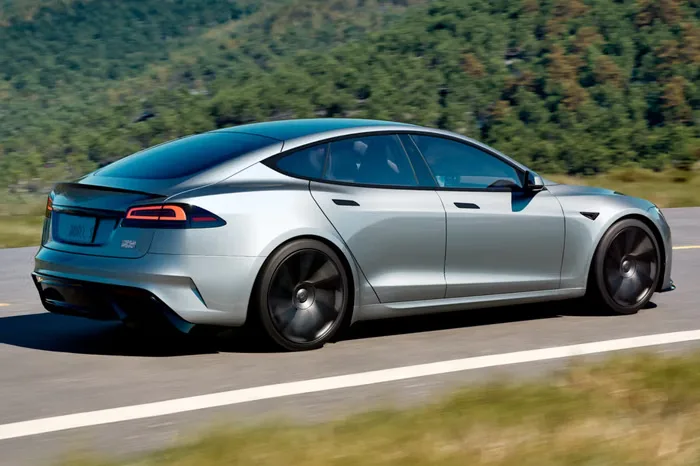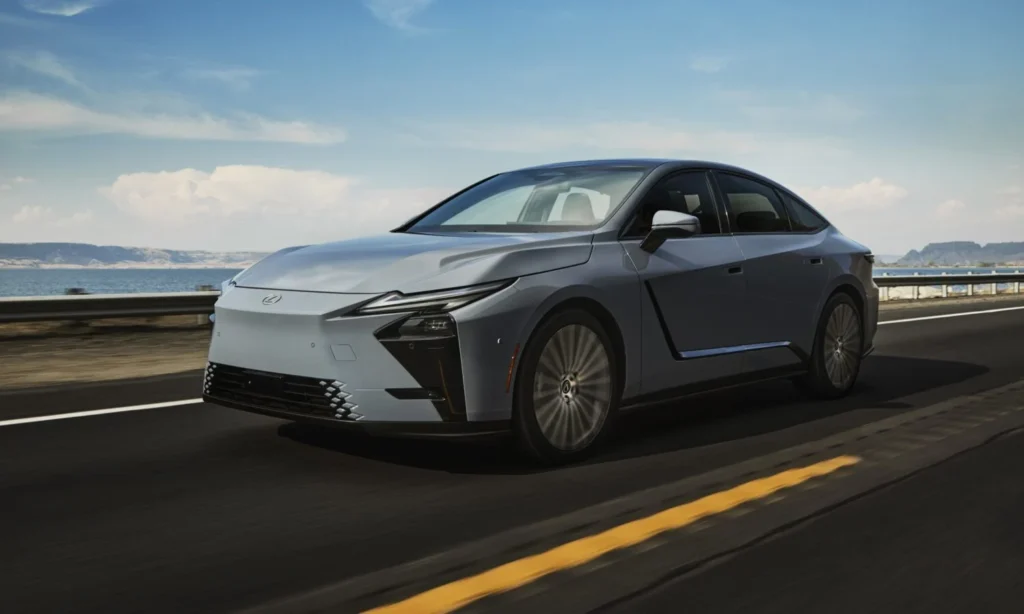
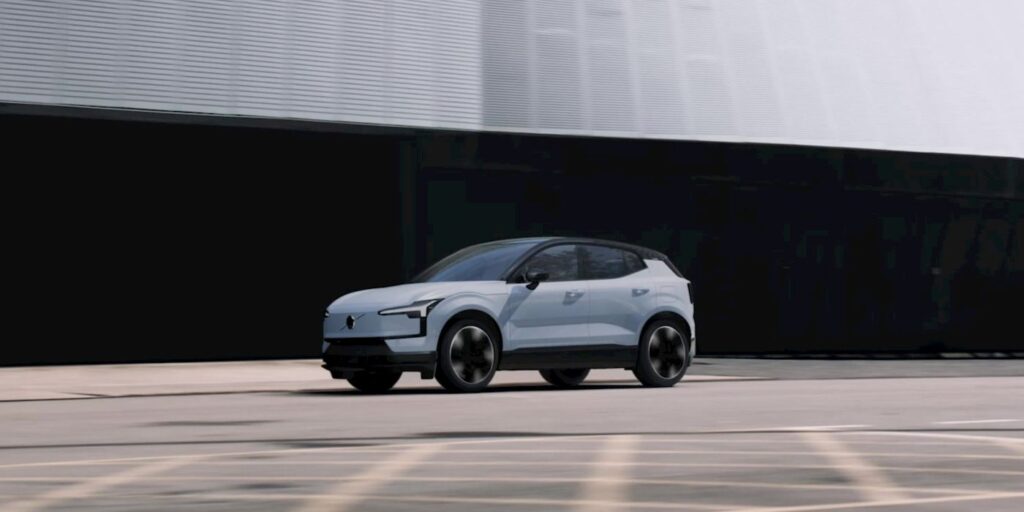
Global EV Market: Global EV sales grew by roughly 0% in August 2025, but that flat headline hides a 36% year-over-year surge in Europe and a 33% collapse in North America. That’s a 69-point swing between two markets selling many of the same vehicles. If you’re shopping for an EV in Ohio or Ontario right now, you’re living on the wrong side of that number, and the reasons have less to do with consumer taste than with boardroom decisions made eighteen months ago.
Global EV Market: What the Press Releases Left Out

| Region | YoY Sales Change | EV Market Share | Key Incentive |
|---|---|---|---|
| Europe | +36% | ~20% | Up to €4,500 (Germany) |
| North America | -33% | ~7% | Federal tax credit up to $7,500 |
| Global | ~0% | ~10% | Varies by region |
Automakers were quick to blame “softening demand” for the North American drop, but the sales data tells a different story. The 33% decline arrived in the same month that federal tax credits of up to $7,500 were still available on qualifying models. Meanwhile, Europe’s 36% gain came with Germany’s €4,500 subsidy and a wave of sub-€30,000 models that simply don’t exist in US showrooms.
The omitted detail is production, not preference. Several major brands cut North American EV output and redirected assembly lines toward hybrids, which means dealer lots are thinner and sticker prices are firmer. So, does a 33% sales drop reflect buyers walking away, or buyers finding nothing to walk toward? The inventory math points to the second answer, and that distinction matters enormously if you’re negotiating this fall.
Translating the Numbers Into Your Driveway
Europe’s roughly 20% EV share of new-car sales versus North America’s roughly 7% isn’t an abstraction. It means a German buyer can walk into a dealership and choose from a dozen hatchbacks and small crossovers under €35,000, while a US buyer under $30,000 gets a handful of options, most of them marked up. That’s the difference between comparison shopping and taking whatever the lot has.
The Tesla Model Y versus Volkswagen ID.4 comparison sharpens the point. The Model Y dominates both continents, but the ID.4’s European sales surge while its North American volume limps along, largely because European pricing and incentives make it a value proposition rather than a stretch. A 36% regional growth rate also means European waiting lists are stretching, so that “cheaper” ID.4 might cost you three months of patience instead of cash.
Segment Rivalry: Two Markets, Two Monthly Payments

Put a European ID.4 buyer and a North American ID.4 buyer side by side and the payment gap is brutal. After Germany’s €4,500 subsidy, a well-equipped ID.4 can land near €350 per month on a typical lease. The same vehicle in the US, stripped of most incentive value on higher trims and subject to dealer markups, frequently quotes above $500 per month.
That’s roughly $150 to $200 per month in pure market penalty for living in North America, and it compounds over a 36-month lease into $5,400 to $7,200. The Model Y tells a similar story: dominant in both regions, but European buyers capture more subsidy value per dollar of sticker. If you’re cross-shopping a Model Y against an ID.4 in the US, the payment difference between them is now smaller than the payment difference between here and Europe.
Who Should Actually Buy Right Now
The ideal North American EV buyer in this climate has a fixed daily commute under 40 miles, a garage with Level 2 charging, and no plan to sell within four years. That profile captures the fuel savings without exposing itself to the resale bloodbath. A two-car household where the EV is the second vehicle fits even better, because range anxiety stops being a household problem.
Cold-climate drivers in Minnesota or upstate New York should think harder. Winter range loss of 20% to 30% turns a 300-mile EV into a 210-mile EV, which is fine for commuting and miserable for road trips. If you need one vehicle to do everything, and you live where January bites, the math favors waiting or leasing short.
Hidden Costs and the Depreciation Trap
Insurance on many EVs still runs 15% to 25% above comparable gas crossovers, because repair costs on battery packs and sensor-laden bumpers remain high. Budget an extra $300 to $500 per year on premiums alone. Year-one maintenance is genuinely cheap, often under $150 for tire rotations and cabin filters, but that savings evaporates if you’re upside down on the loan.
Depreciation is the real threat. A 33% sales plunge in North America signals weak used demand, and auction data already shows three-year-old EVs shedding value faster than gas rivals. If you finance 100% of a $48,000 EV today, you could owe more than it’s worth within 24 months. Lease instead of buy if you can’t stomach that risk.
Verdict: Buy It If, Skip It If
Buy it if you can charge at home, keep the vehicle five-plus years, and negotiate hard on a 2025 model still sitting on the lot. Skip it if you need a sub-$30,000 EV, plan to sell within three years, or live in a state where dealers are still adding “market adjustments” to sticker. The European market proves affordable EVs work when automakers bother to build them. North American buyers are simply waiting for that memo to arrive.
Global EV Market: Frequently Asked Questions
Q: Why did the Global EV Market see a 33% drop in North America?
The North American decline stems from automakers cutting EV production and delaying launches, creating artificial scarcity. Despite federal tax credits up to $7,500, fewer affordable models are available, pushing prices up and dampening demand. This contrasts with Europe’s 36% growth, where more models and incentives drive sales.
Q: What maintenance or ownership challenges do North American EV buyers face?
North American EV owners face limited service networks for some brands, potential dealer markups on popular models, and uncertain resale values due to market volatility. Additionally, charging infrastructure in rural areas remains sparse, and some automakers are deprioritizing EV support, complicating long-term ownership.
Q: Should I buy an EV now or wait given the Global EV Market trends?
In Europe, buy now to leverage incentives and model availability. In North America, wait if you seek a budget EV under $30,000; options are scarce and prices may drop as automakers adjust. For premium EVs, negotiate hard as inventory builds. Overall, waiting 6-12 months could yield better deals in North America.