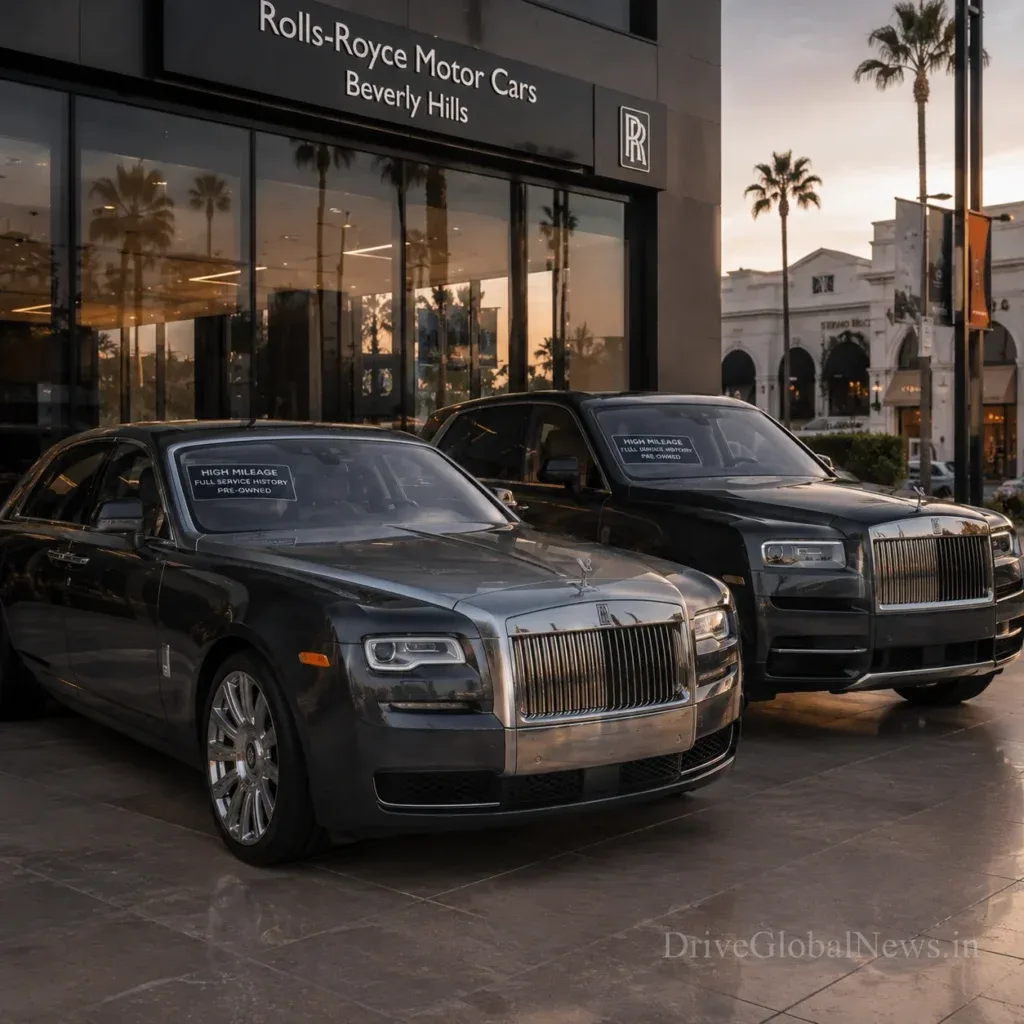
A new Rolls-Royce still starts well into the mid-to-high six figures once options are added. On the used market, the picture looks different — especially once the odometer climbs.
Higher-mileage examples of recent Ghost and Cullinan models are now available for tens of thousands less than low-mile counterparts and far below original sticker prices. The question for buyers is whether the savings justify the ownership realities that come with them.
How Much Less Are They Selling For?
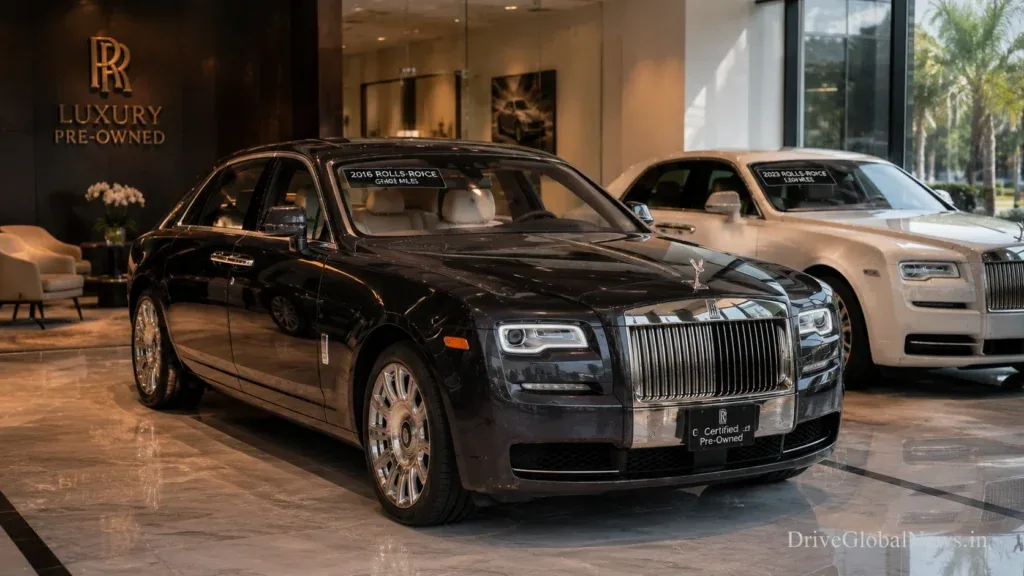
Depreciation on Rolls-Royce vehicles is front-loaded. A Ghost that listed near $440,000 when new can trade in the mid-$200,000s after a few years. Cullinans follow a similar pattern. Once mileage moves into the 30,000–50,000 range and beyond, asking prices drop further compared with ultra-low-mile cars from the same model years.
Market data from mid-2026 shows clear gaps between low-mileage and higher-mileage cars. Earlier examples of the current-generation Cullinan and Ghost that have covered more ground are often priced $50,000 to well over $100,000 below comparable low-mile cars, and significantly under what a new one would cost fully optioned. Older Phantoms and previous-generation models with higher miles can be found even lower.
The steepest value loss usually happens in the first few years. After that, the curve flattens, which is why some buyers target cars that have already absorbed the biggest hit.
Why Mileage Matters Differently on a Rolls-Royce
These cars are engineered for longevity and quiet high-speed travel. Many examples with 40,000 or 50,000 miles still present well when properly maintained. The air suspension, V12 powertrains, and interior materials are built to a high standard.
That said, mileage is not irrelevant. Higher-mileage cars are more likely to need costly consumables sooner: tires, brakes, suspension components, and complex electronic systems. A full service history from a Rolls-Royce dealer or specialist is non-negotiable. Gaps in records or deferred maintenance can turn a “bargain” into an expensive project.
Warranty coverage is another key variable. Newer cars may still carry remaining factory coverage or be eligible for Rolls-Royce’s certified pre-owned programs. Older, higher-mileage examples typically will not.
The Real Ownership Costs
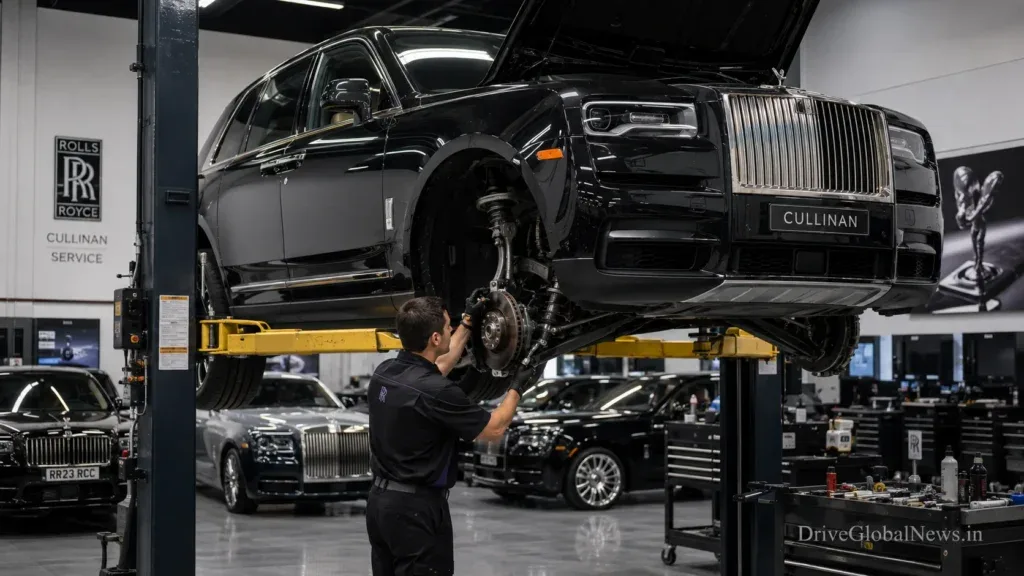
Even a discounted Rolls-Royce is not a cheap car to run. Routine maintenance, specialized parts, tires, and insurance remain expensive. Fuel economy is poor by modern standards. Any major repair outside warranty can run into five figures quickly.
Buyers who treat the car as a long-term keeper and budget realistically for upkeep can make the numbers work. Those who expect low ownership costs after the purchase price will be disappointed.
Is Now a Good Time?
For buyers who specifically want the Rolls-Royce experience without paying new-car money, the current used market offers clearer opportunities than a few years ago. Higher-mileage cars widen the price gap further. The trade-off is higher potential maintenance exposure and the need for thorough pre-purchase inspection.
Low-mileage, late-model examples still command strong prices. The bigger discounts appear once mileage rises and the first wave of depreciation has already occurred.
The Bottom Line
Higher-mileage Rolls-Royces are selling for meaningfully less than their low-mile counterparts and far below original pricing. That creates a real entry point for buyers who prioritize the ownership experience over perfect resale value or remaining warranty.
The decision hinges on service history, a detailed inspection, and a clear-eyed view of ongoing costs. Done carefully, a higher-mileage Ghost or Cullinan can deliver the same presence and refinement at a substantially lower entry price. Done carelessly, the savings disappear in the first major repair bill.
Would the lower purchase price make a higher-mileage Rolls-Royce worth considering, or do you still prefer to stay under 15,000 or 20,000 miles?