
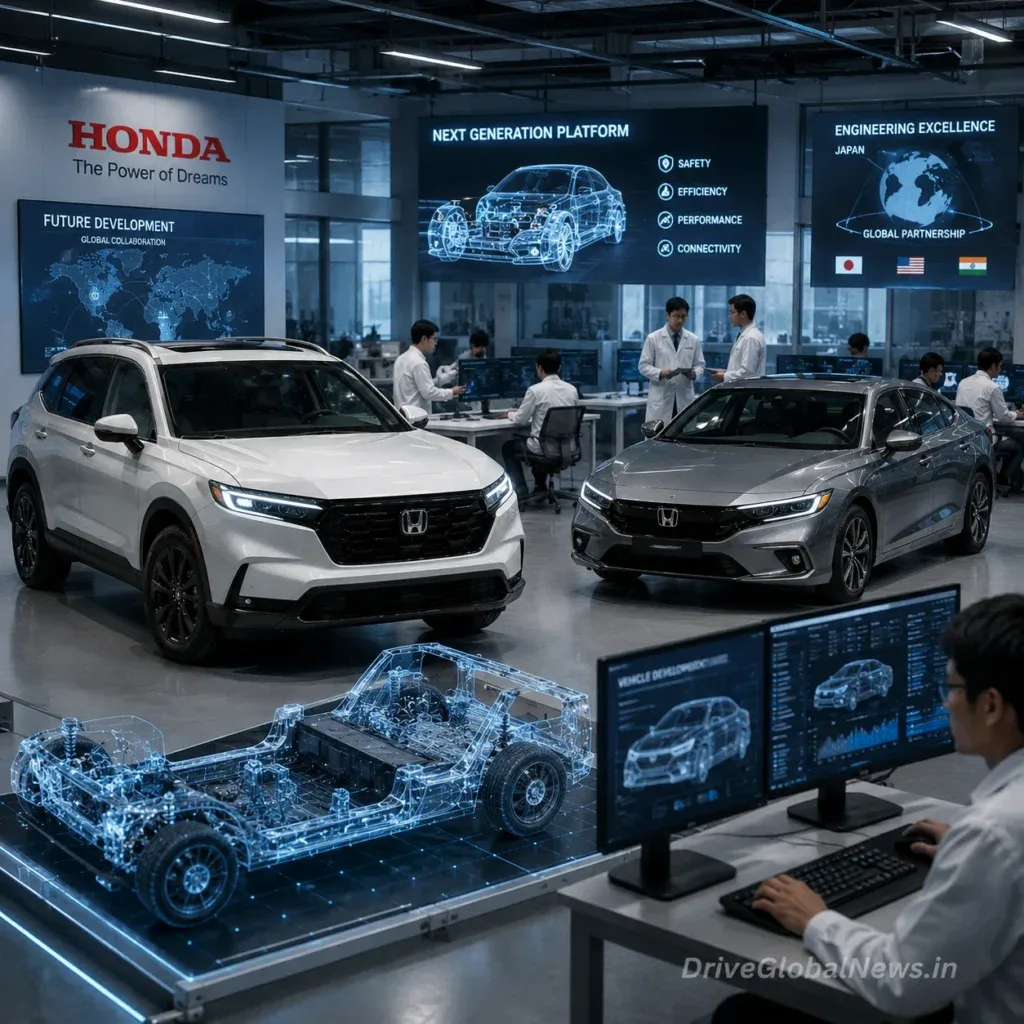
Honda has historically kept core vehicle platform development close to home. That approach is changing.
According to recent reports, the company has outsourced end-to-end development of a new vehicle platform to Tata Technologies, an Indian engineering services firm. It is the first time Honda has entrusted an Indian company with building a full platform from the ground up, with cost reduction as a primary goal.
Why Honda Is Doing This
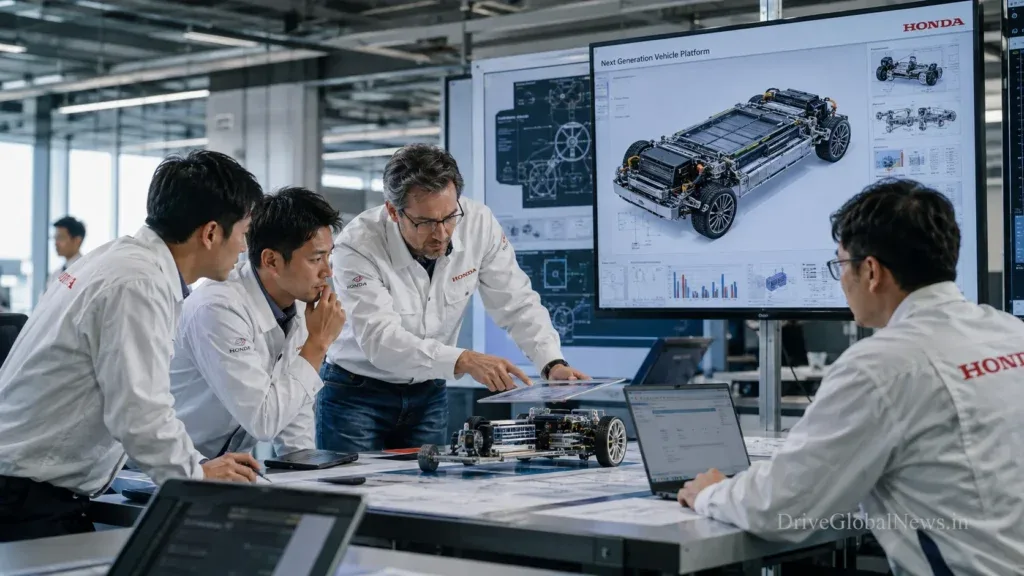
Honda posted its first annual net loss since its founding in 1948. In response, the company has accelerated cost-cutting, shelved some electric vehicle programs, and publicly committed to using external resources more flexibly. Leadership has talked about cutting development costs, time, and workload significantly compared with 2025 levels.
The new platform is expected to underpin multiple models and support conventional gasoline engines as well as hybrid and electric powertrains. Specific vehicles, markets, and timing have not been confirmed publicly. Honda has declined to comment on the details while noting it is always open to external partnerships that strengthen competitiveness.
What This Means for Buyers
Potential upsides Outsourcing can speed up development and lower costs. If successful, it could help Honda bring more competitively priced models to market faster, especially in regions where its lineup has thinned. Shared platforms that handle multiple powertrains may also improve efficiency across the product range.
Potential concerns Platform development sits at the foundation of how a car rides, handles, sounds, and ages. Honda’s reputation for refinement, durability, and engineering integrity was built largely in-house. Handing a core architecture to an external firm raises legitimate questions about whether the final vehicles will feel and perform like traditional Hondas.
Quality control, supplier standards, and long-term reliability will depend on how tightly Honda manages the process. The company will still set technical standards and conduct safety reviews, but the day-to-day engineering work is shifting outside its traditional walls.
Not the First Partnership, But a Different One
Honda has collaborated with other automakers before — most recently with General Motors on models like the Prologue and Acura ZDX. Those were joint efforts. This arrangement is described as more complete outsourcing of platform creation to an engineering services company. That distinction matters.
The Bottom Line for Honda Owners and Shoppers
Current Honda and Acura models on sale today are unaffected. The change applies to a future platform that has not yet produced vehicles. Buyers shopping in 2026 are still getting cars developed under Honda’s established processes.
Looking further ahead, the success of this approach will show up in how the next generation of Hondas drive, hold up over time, and compare on price. If the outsourced platform delivers the same reliability and character buyers expect, the cost savings could benefit customers. If the vehicles feel diluted or less refined, the brand’s strongest selling point will be at risk.
Honda is adapting to a tougher financial and competitive environment. For buyers, the real test will come when the first cars built on this new platform reach dealerships.
Would you still buy a Honda knowing more of its core development is being handled outside the company, or does that change how you view the brand?