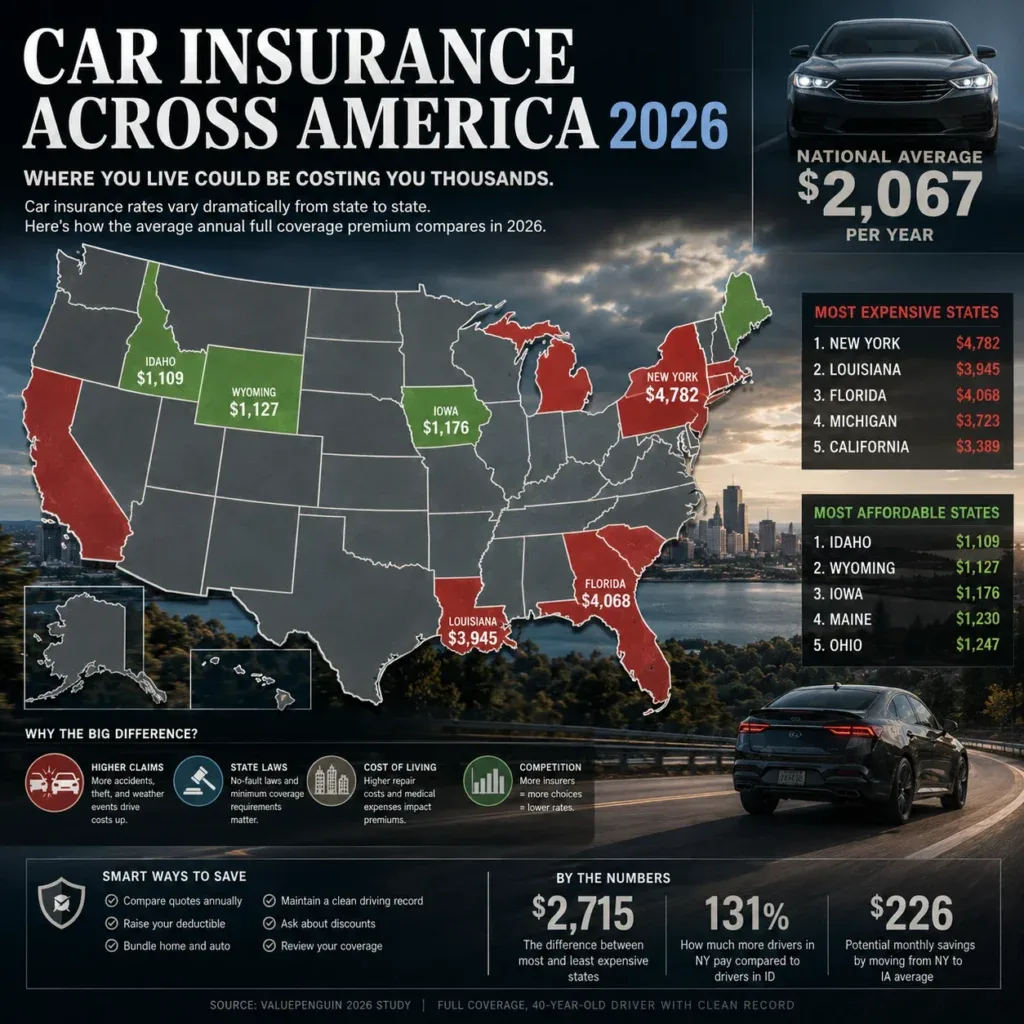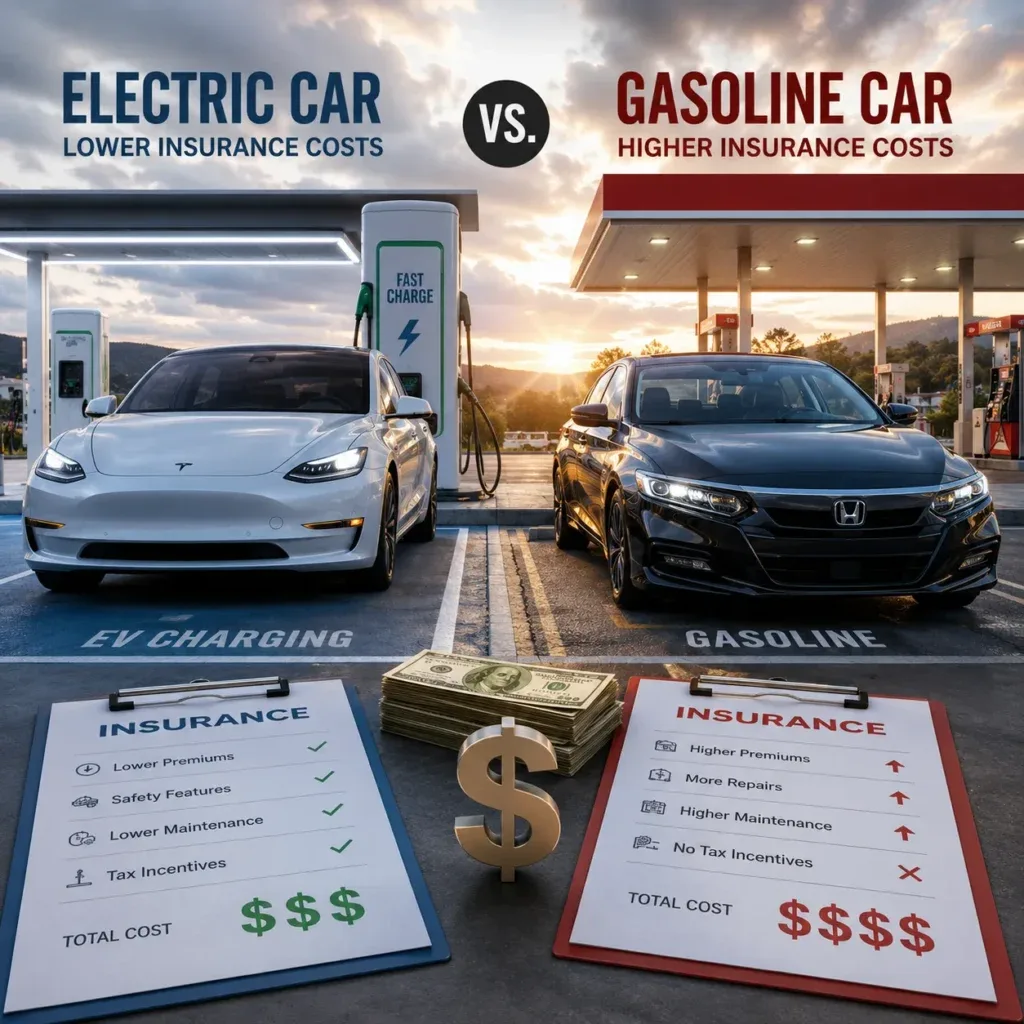

Car insurance rates have climbed steadily over the last few years, and many drivers are now paying $2,500 to $4,000 or more per year for full coverage. The good news is that a large number of people are overpaying — sometimes by $1,000 to $1,500 or more — simply because they never review their policy or shop around.
If your renewal is coming up in the next 30 to 60 days, this is the best time to take action. Here are the real, practical steps that can help you save $1,500 (or more) before your next renewal.
1. Start Shopping 45–60 Days Before Renewal
Most people wait until the renewal notice arrives and then just pay it. That is the most expensive mistake you can make.
Insurance companies know that loyal customers often pay higher rates over time. New customers, on the other hand, frequently get better introductory pricing. By starting the shopping process 45 to 60 days early, you give yourself enough time to:
- Gather multiple quotes
- Compare coverage properly
- Negotiate with your current insurer
- Make a clean switch without any gap in coverage
Many drivers who switch save 20–40% just by moving to a different company. On a $3,000 annual policy, that can easily mean $600 to $1,200 in savings.
2. Get Quotes from at Least 5 Companies
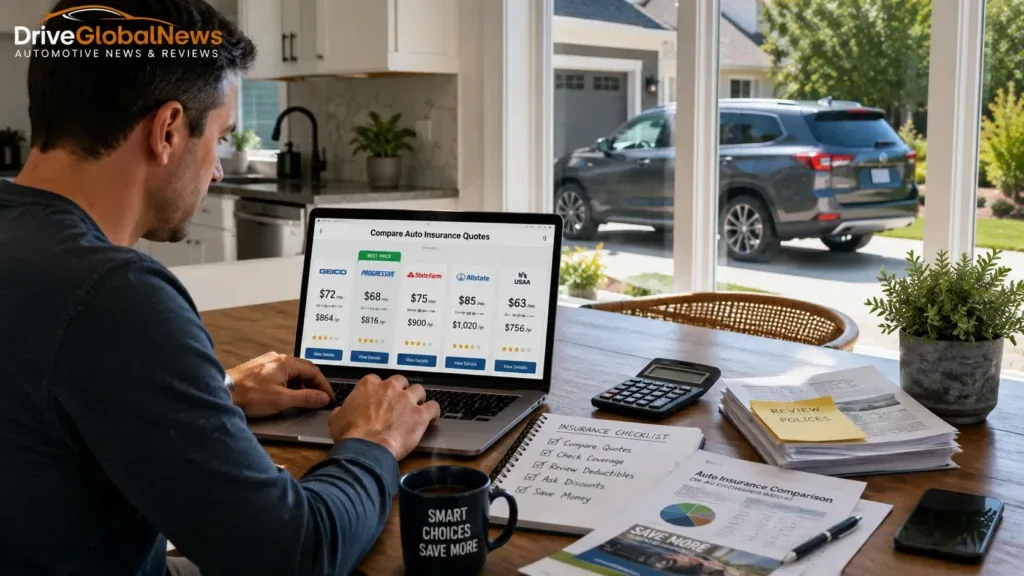
Never rely on just one or two quotes. Rates for the exact same driver and vehicle can vary by hundreds or even thousands of dollars between companies.
In 2026, the strongest companies to check include:
- Geico
- Progressive
- State Farm
- Allstate
- USAA (if you qualify)
- Liberty Mutual
- Travelers
Also consider regional insurers in your state — sometimes they beat the big national names on price.
When you request quotes, make sure every company is quoting the same coverage limits and deductibles. Otherwise the comparison becomes meaningless.
3. Raise Your Deductible (If You Can Afford It)
One of the fastest ways to lower your premium is to increase your collision and comprehensive deductibles.
Moving from a $500 deductible to a $1,000 deductible can reduce your premium by 15–30% in many cases. Going to $1,500 or $2,000 can save even more.
The key is simple: only raise the deductible if you have enough emergency savings to cover it. If a $1,000 or $1,500 out-of-pocket expense would create financial stress, keep the lower deductible.
4. Drop Unnecessary Coverage
Many drivers carry coverage they no longer need. Review these areas carefully:
- Collision and comprehensive on older cars with low value. If your car is worth $4,000 or less, it may not make sense to keep full coverage.
- Rental reimbursement if you rarely need a rental car.
- Extra roadside assistance if you already have it through another provider.
- High limits you don’t actually need.
Removing or reducing unnecessary coverage can save hundreds of dollars per year.
5. Ask for Every Possible Discount
Insurance companies offer many discounts, but most customers only receive a few of them. Call your current insurer and any new companies and specifically ask about:
- Multi-policy (bundle auto + home or renters)
- Multi-car discount
- Safe driver / accident-free discount
- Good student discount
- Defensive driving course discount
- Paperless billing and automatic payment discounts
- Anti-theft device discount
- Low mileage discount
- Usage-based or telematics program discounts
Some of these discounts stack. It is not unusual to qualify for four or five different discounts at once.
6. Improve Your Credit Score Before Quoting
In most states, your credit-based insurance score has a major impact on your rate. Drivers with poor credit can pay 50–100% more than drivers with excellent credit for the exact same policy.
If your renewal is still 45–60 days away, take steps to improve your credit:
- Pay down credit card balances
- Make sure all bills are paid on time
- Dispute any errors on your credit report
- Avoid opening new credit accounts right before shopping
Even a modest improvement in your credit score can lower your insurance rate at renewal.
7. Switch to a Usage-Based or Telematics Program

Many insurers now offer programs that track your driving habits (Progressive Snapshot, State Farm Drive Safe & Save, Allstate Drivewise, etc.). Safe drivers often receive discounts of 10–30% or more.
These programs monitor things like:
- Hard braking
- Speeding
- Time of day you drive
- Phone use while driving
- Mileage
If you are a careful driver, enrolling in one of these programs can produce significant savings.
8. Consider Changing Vehicles (Long-Term Strategy)
Some cars are dramatically more expensive to insure than others. Sports cars, high-performance vehicles, and certain luxury models cost much more to insure than mainstream sedans and crossovers.
If you are planning to buy a new or used car soon, check insurance rates before you buy. Choosing a safer, cheaper-to-insure model can save you $500 to $1,000+ per year in premiums.
9. Re-Evaluate Your Mileage
If you now work from home or drive significantly less than before, update your annual mileage with your insurer. Lower mileage often leads to lower rates.
Many people are still listed at 12,000–15,000 miles per year even though they only drive 6,000–8,000. Correcting this can produce meaningful savings.
10. Negotiate With Your Current Insurer
Once you have lower quotes from other companies, call your current insurer. Tell them you are considering switching and ask if they can match or beat the new rates.
Many companies will offer a retention discount or adjust your rate to keep your business. This works especially well if you have been a customer for several years and have a clean driving record.
Putting It All Together — How $1,500 in Savings Is Realistic
Here’s a realistic example of how the savings can add up:
- Switching companies: $700–$1,000
- Raising deductible: $200–$400
- Adding discounts + telematics: $150–$300
- Dropping unneeded coverage: $100–$250
Combined, these steps frequently produce total savings of $1,200 to $1,800 per year for drivers who have not reviewed their policy in a long time.
Final Checklist Before Your Renewal
- Start shopping 45–60 days early
- Get at least 5 quotes with identical coverage
- Raise deductible if you have emergency savings
- Remove coverage you no longer need
- Ask about every discount
- Enroll in a telematics program if you drive safely
- Update your mileage
- Improve credit if possible
- Use competing quotes to negotiate with your current company
The Bottom Line

Saving $1,500 on car insurance before your next renewal is realistic for many drivers in 2026 — but only if you take action. The biggest savings come from shopping around, adjusting your deductible and coverage, and making sure you receive every discount you qualify for.
Do not auto-renew without reviewing your policy. A few hours of work over the next few weeks can put significant money back in your pocket for the entire year.
If you want to understand how location affects your rates, check our guide on car insurance rates by state in 2026. And if you have less-than-perfect credit, see our article on car insurance for bad credit in 2026.
Have you successfully lowered your insurance bill recently? What worked best for you? Share your experience in the comments below — it helps other readers.