
Jeep’s Biggest Advantage In 2026 : A few months ago, I was sitting at a red light when a Jeep Wrangler pulled up beside me.
The doors were off.
The roof was gone.
The driver looked like he was enjoying the drive far more than most people sitting in traffic.
And it made me realize something.
Very few vehicles have that effect.
Most cars are transportation.
Most SUVs are transportation.
A Jeep is often something more.
Whether you love the brand or not, Jeep has built something many automakers spend decades chasing.
An identity.
And in today’s automotive market, that identity may be worth more than horsepower, towing numbers, or technology features.
Jeep Doesn’t Sell Transportation
It Sells An Idea
That’s what makes Jeep different.
When people buy a Wrangler, they’re usually not buying it because it’s the most comfortable vehicle in its class.
Or the most fuel-efficient.
Or the most practical.
They’re buying what it represents.
Adventure.
Freedom.
Escape.
The possibility of turning off the pavement and seeing where the road ends.
Most owners won’t spend every weekend climbing mountains.
That isn’t the point.
The point is knowing they could.
And that feeling remains one of Jeep’s greatest strengths.
The Wrangler Continues To Define The Brand
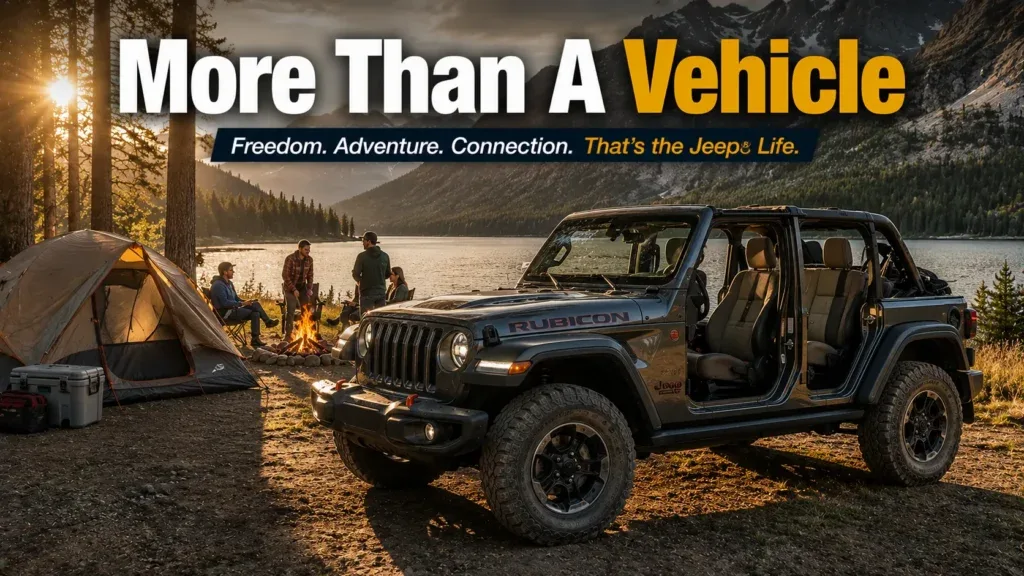
Some vehicles sell well.
Some vehicles define companies.
The Wrangler does both.
Few vehicles on American roads are instantly recognizable from a distance.
The Wrangler is one of them.
Its design has evolved over the years, but the personality remains intact.
That’s important.
Because buyers aren’t just purchasing a vehicle.
They’re joining a community.
And communities create loyalty that specifications alone cannot.
The Grand Cherokee Still Does The Heavy Lifting
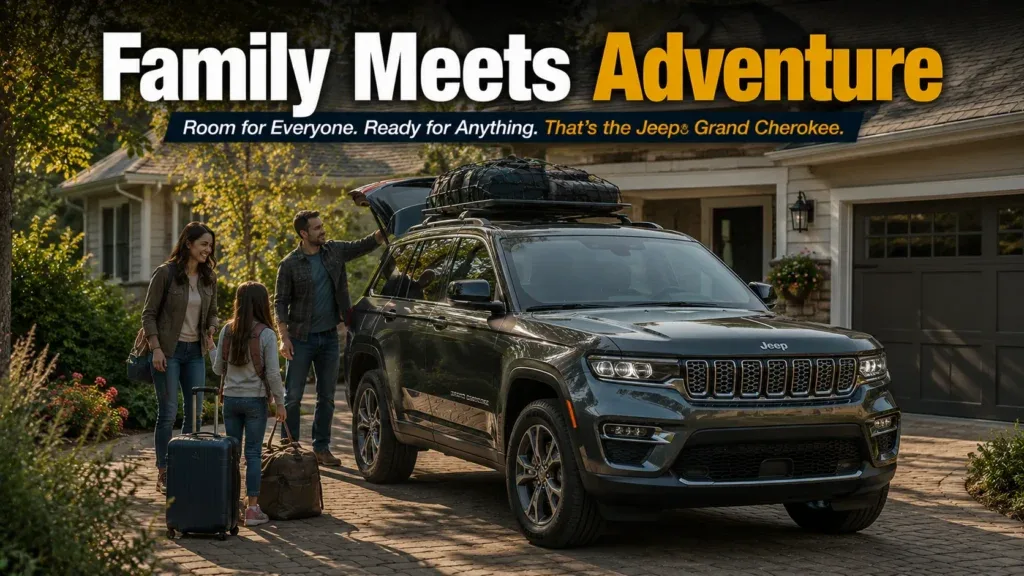
While the Wrangler receives most of the attention, the Grand Cherokee quietly remains one of Jeep’s most important products.
Families love it.
Road-trip drivers love it.
SUV buyers who want comfort without completely abandoning adventure love it.
The Grand Cherokee succeeds because it balances two worlds.
Everyday practicality.
Weekend capability.
Finding that balance is difficult.
Jeep has spent years refining it.
The SUV Market Has Changed
And Jeep Knows It
Today’s SUV buyers are different than they were ten years ago.
Ownership costs matter more.
Fuel economy matters more.
Technology matters more.
Families expect more from every purchase.
That reality affects every manufacturer.
Jeep included.
The challenge isn’t simply building capable vehicles anymore.
It’s building vehicles that fit into modern life while preserving the character people expect from the brand.
That’s a difficult balancing act.
Yet Jeep continues trying to walk that line.
Also Read:
https://driveglobalnews.in/americans-thought-bigger-suvs-were-better-now-many-are-changing-their-minds/ – Why many buyers are rethinking what they actually need from an SUV.
Jeep’s Biggest Challenge Isn’t Competition
It’s Expectations
The brand created a powerful image over decades.
That’s a blessing.
And a challenge.
Every new Jeep is judged against that image.
Every decision is judged against that image.
Buyers expect capability.
Authenticity.
Character.
The moment Jeep drifts too far from those expectations, people notice.
Very quickly.
Few automotive brands operate under that level of scrutiny.
The Off-Road Advantage Still Matters
Even for people who never leave pavement.
That sounds strange.
But it’s true.
Many Jeep owners rarely use the full capability of their vehicles.
Yet they enjoy knowing it’s there.
It’s similar to buying hiking boots and wearing them mostly around town.
The capability becomes part of the experience.
And Jeep understands that better than most manufacturers.
Why Jeep Still Feels Different
Walk through a parking lot filled with SUVs.
Many begin blending together.
The shapes become similar.
The designs become predictable.
Then you see a Wrangler.
Or a Grand Cherokee.
And immediately know what you’re looking at.
That’s difficult to achieve.
Brand identity is one of the most valuable assets in the automotive industry.
Jeep possesses plenty of it.
Also Read:
https://driveglobalnews.in/ford-f150-vs-chevrolet-silverado-which-truck-makes-more-sense-today/ – How brand loyalty continues shaping some of America’s biggest vehicle decisions.
The Industry Is Moving Fast
Jeep Is Trying To Move Carefully
Technology changes.
Consumer preferences change.
Markets change.
But Jeep can’t afford to change too quickly.
Because buyers don’t just want innovation.
They want continuity.
They want the next Jeep to still feel like a Jeep.
That may sound simple.
It isn’t.
Many manufacturers struggle with exactly that problem.
The Most Interesting Part Of Jeep’s Future
The fascinating thing about Jeep isn’t what it will build next.
It’s whether the brand can continue preserving what made people care in the first place.
Capability.
Adventure.
Character.
Those qualities helped create generations of loyal owners.
And they remain relevant today.
Maybe even more relevant than before.
A Jeep Is Often A Story Waiting To Happen
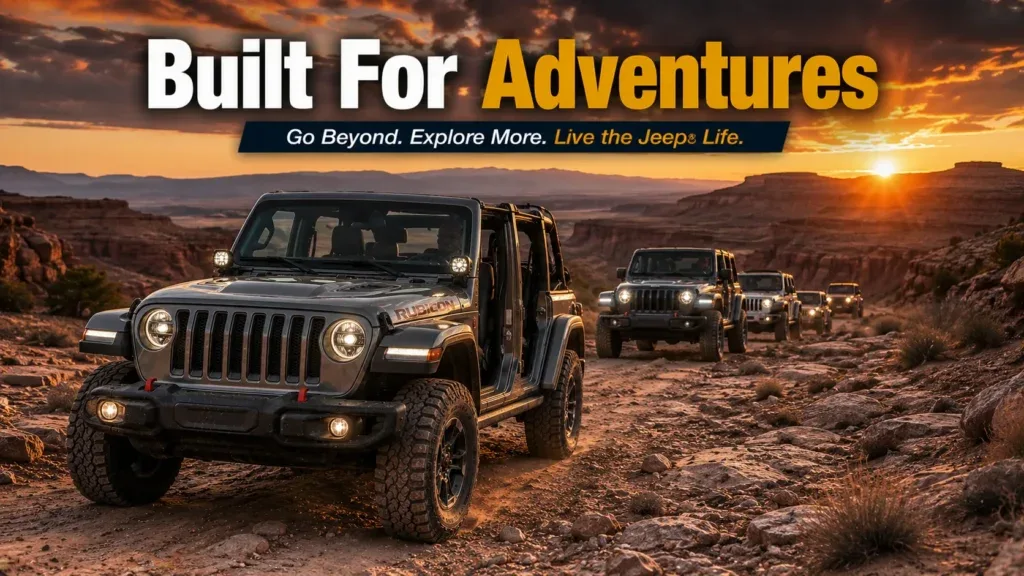
Most vehicles spend their lives moving people from one place to another.
A Jeep often asks a different question.
“What if we keep driving?”
That’s why so many owners talk about experiences instead of specifications.
Camping trips.
Mountain roads.
Beach drives.
Unexpected detours.
The memories become part of the ownership experience.
And in an industry increasingly focused on technology, software, and efficiency, that ability to create stories may be Jeep’s greatest advantage of all.
Because long after people forget horsepower figures and touchscreen sizes, they tend to remember adventures.
And few automotive brands are connected to adventure quite like Jeep.