

Stellantis lost $22 billion last year.
Their EV lineup cratered. The Jeep Wagoneer S sold 175 units in a quarter. The Dodge Charger Daytona EV was outsold 7-to-1 by its own gas twin. Dealers were furious. Shareholders were worse. The previous CEO left under pressure. The brand looked — to put it generously — like a company that had lost the plot entirely.
Then, on May 21, 2026, new CEO Antonio Filosa walked into Stellantis’s Investor Day in Auburn Hills and made some very large promises.
Sixty new models by 2030. €60 billion invested. Nine vehicles under $40,000 for North America. A Dodge model called GLH — short for “Goes Like Hell.” Two new Chryslers priced under $30,000. The Ram Ramcharger range-extender truck. A complete product renewal of every brand the company owns.
Edmunds called it ambitious. Jalopnik noted that “nobody likes big swings quite like Stellantis.” Both assessments are accurate.
The question isn’t whether the plan sounds good. It does. The question is which parts of it to actually believe — and which parts are the corporate equivalent of a New Year’s resolution that evaporates by February.
What the Plan Actually Says

First, the numbers in full, because Stellantis buried the most interesting details in the fine print.
60 new vehicle launches and 50 major refreshes by 2030. Broken down by powertrain: 29 battery-electric vehicles, 15 plug-in hybrid or range-extended models, 24 hybrids, and 39 conventional or mild-hybrid vehicles. Notably — 39 gas/mild-hybrid vehicles. For a company that got into trouble partly by going too hard on EVs, that’s a significant admission that combustion engines are staying.
€60 billion total investment. That’s approximately $65-66 billion. Over four years. Across 14 brands. In multiple countries. The scale is legitimate — this isn’t a press release number. The €24 billion specifically earmarked for platforms, powertrains, and technology is the number worth tracking.
North America focus: 35% sales growth target. Stellantis currently sells roughly 1.4 million vehicles annually in North America. 35% growth means 1.9 million by 2030. The path there: nine vehicles under $40,000 — expanding affordable coverage from two models today to nine. Two new Chryslers priced below $30,000. And a “50/50/35” formula for US brands: 50% new products, 50% expanded market coverage, 35% sales growth.
STLA One platform. The single most important technical commitment in the plan. Stellantis is consolidating five existing vehicle architectures into one new global platform that works for all powertrains — gas, hybrid, PHEV, and electric. By 2030, 50% of global volume will be produced on just three platforms total. This is the kind of manufacturing efficiency that makes $30,000 cars financially possible. Without it, the affordable model promises are aspirational at best.
The Parts That Are Actually Believable
The gas and hybrid pivot is real. Stellantis’s biggest mistake was betting too heavily on EVs that American buyers weren’t ready to buy. The 39 conventional vehicles and 24 hybrids in this plan — 63 gas or hybrid models out of 60 new launches — signal that the company has genuinely absorbed that lesson. When the math of your EV losses forces a $22 billion write-down, you recalibrate. The recalibration here looks genuine.
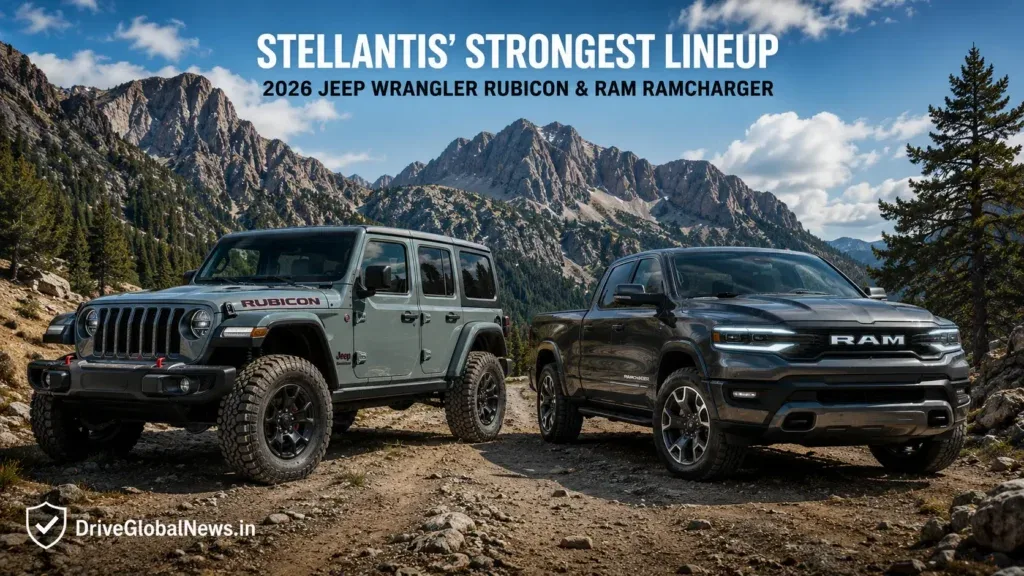
Jeep’s recovery plan is credible. Jeep is Stellantis’s highest-value American brand and the one with the clearest path forward. New Wrangler models. Cherokee revival. Grand Wagoneer refresh. Jeep’s brand identity — trail-rated, capable, recognizable — gives the product team something real to work with. The mistakes with the Wagoneer S were about product-market fit, not brand identity. Fixing product-market fit is solvable.
Ram trucks are in the sweet spot. Ram has been competitive with the F-150 for years. The Ramcharger — a range-extended electric truck that solves the towing-and-range problem that killed pure EV truck ambitions — is confirmed. More Ram variants below $40,000 fill a gap that Stellantis left open. Ram is the brand most likely to over-deliver on these promises.
The Parts That Need Proof Before You Believe Them
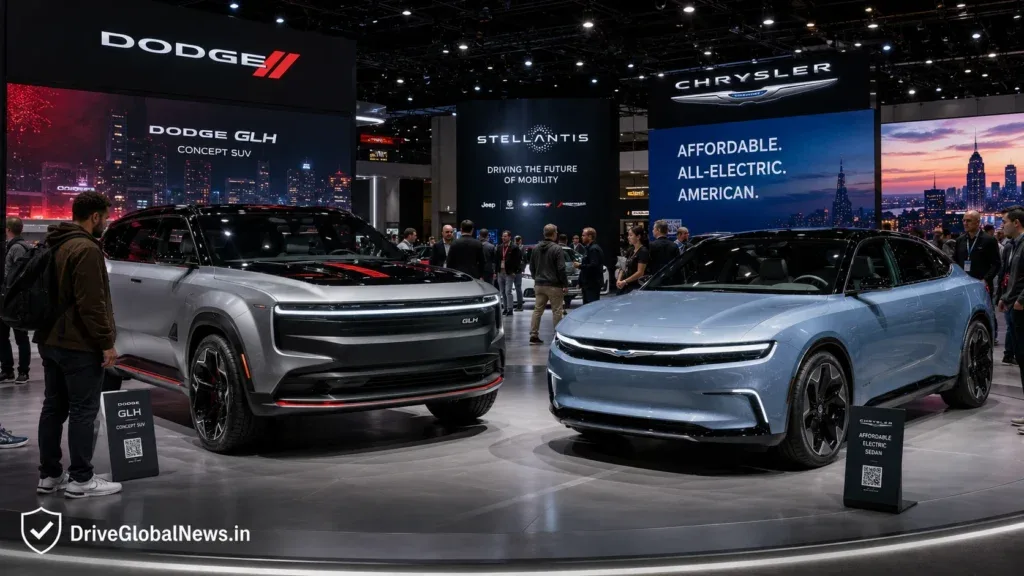
Two new Chryslers under $30,000. This is the most intriguing and most uncertain commitment in the plan. Chrysler has been a brand in search of a product for years — the Pacifica minivan is excellent but doesn’t define a brand identity. Two affordable Chryslers would require the STLA One platform to actually work as advertised, require hitting price targets that have eluded Stellantis consistently, and require convincing American buyers to trust a brand that’s been invisible in this segment for over a decade. Want it to happen. Not convinced it will.
Dodge GLH — “Goes Like Hell.” Dodge is going to revive a performance badge from the 1980s on a small SUV. That sentence contains three separate things that could go wrong. Dodge’s recent history — the Hornet’s failure, the Charger EV’s poor sales, the Durango’s aging platform — doesn’t suggest a brand that executes well on new product launches. The GLH promise is exciting in a press release and uncertain in a showroom.
29 new EVs. After $22 billion in EV-related write-downs, Stellantis is committing to 29 new battery-electric vehicles by 2030. The commitment is real — it’s in the official press release, confirmed at investor day, with brand-by-brand attribution. Whether those 29 EVs find buyers in a market that has already rejected several Stellantis EV attempts is a different question entirely. The plan is believable. The sales projections attached to it less so.
What Buyers Should Actually Watch
The FaSTLAne 2030 plan is the most comprehensive and credible Stellantis roadmap in years. The leadership change from Carlos Tavares — who presided over the EV disaster — to Antonio Filosa matters. Filosa built Ram’s success. He knows how to sell trucks to Americans. That institutional knowledge at the top is worth something.
But the track record is the track record. Stellantis announced ambitious EV plans in 2021. The market rejected them. The plan now pivots accordingly. Whether the execution matches the ambition over the next four years is the only thing that matters.
Watch for the Ramcharger. That’s the product most likely to signal whether Stellantis’s turnaround is real. If they deliver it on time, competitively priced, with the range-extender working as promised — the rest of the plan deserves credibility. If the Ramcharger slips, delays, or arrives with compromises — so does everything else.
Sixty promises. Four years. One company that burned $22 billion proving that promises are easy.
The hard part starts now.