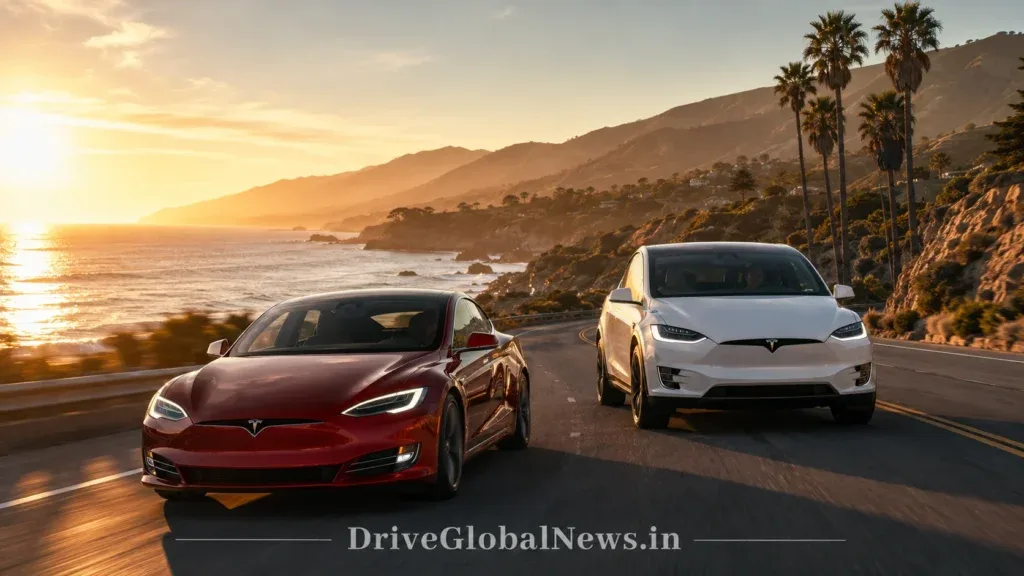
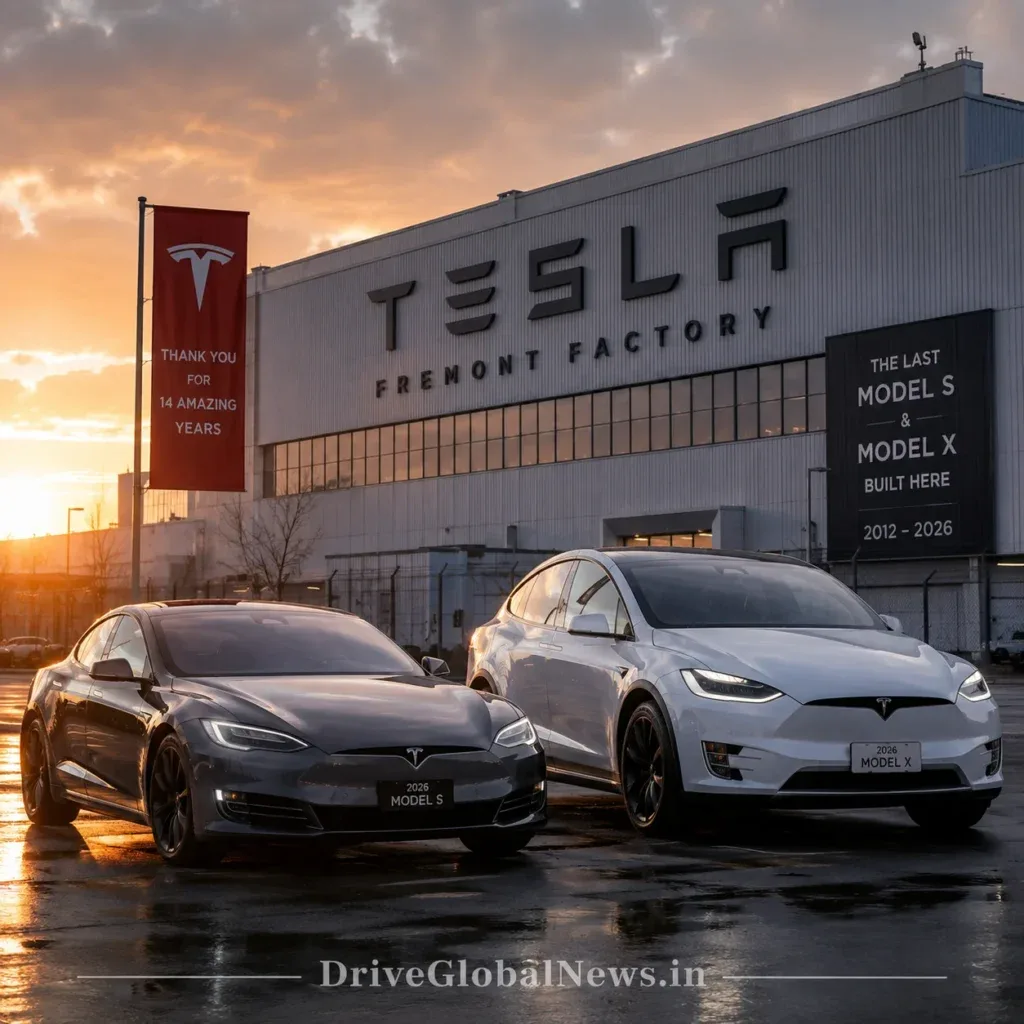
In May 2026, after 14 years and 740,000 vehicles, the last Tesla Model S rolled off the Fremont assembly line.
Right behind it — the last Model X.
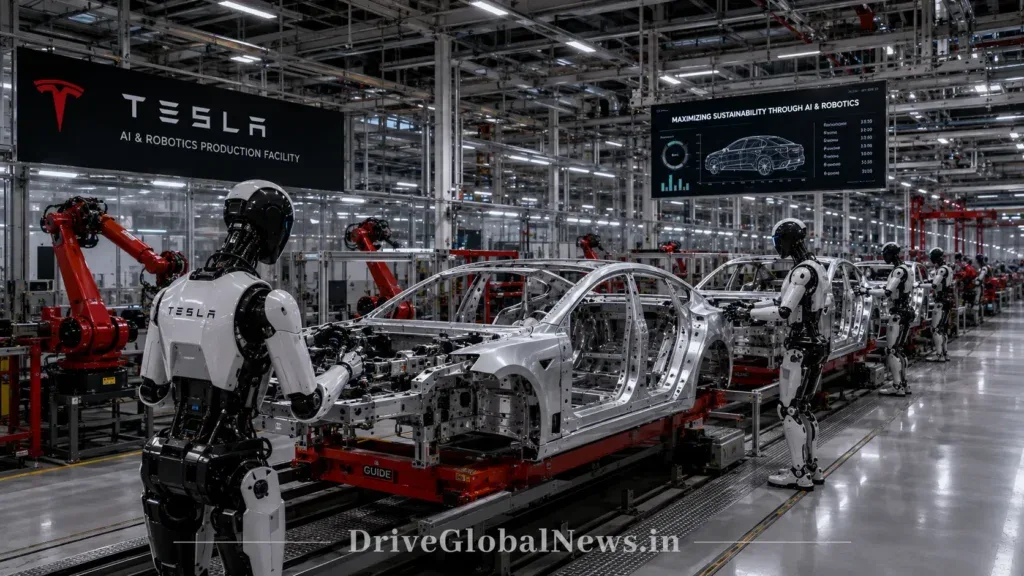
No fanfare. No ceremony. Tesla posted a brief announcement on X. Then the factory floor that built two of the most important cars in automotive history began its transformation into something else entirely — a production line for humanoid robots.
This is either the boldest pivot in automotive history or the most reckless one. Possibly both.
But for the 740,000 people who own a Model S or Model X right now — the strategy debate is secondary. The practical question is: what does this mean for your car?
What Actually Happened — The Full Timeline
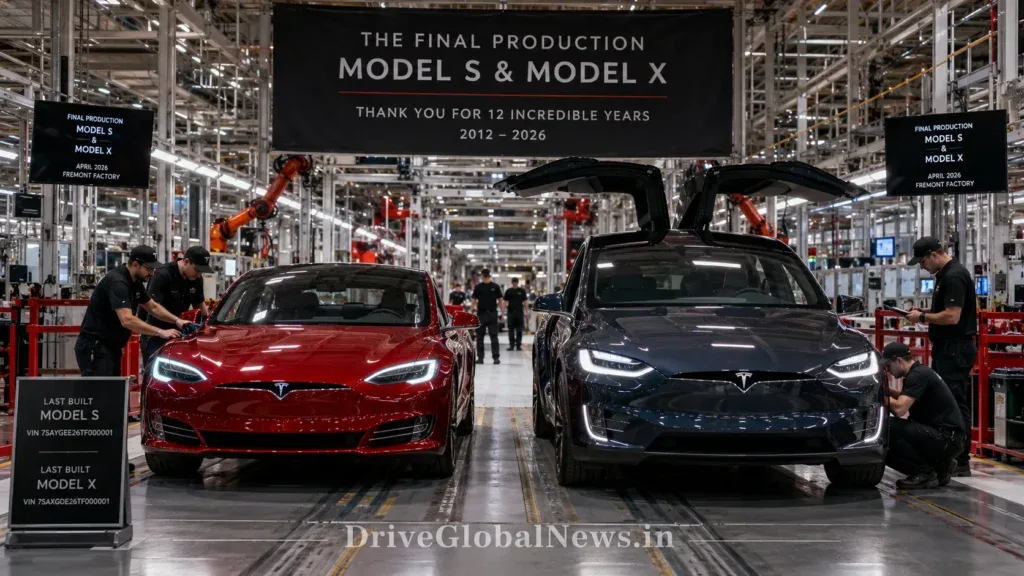
Elon Musk announced the end on January 28, 2026, during Tesla’s Q4 earnings call.
“It’s time to basically bring the Model S and X programs to an end with an honorable discharge,” he said. Then he added something that sent owners to their phones immediately: “If you’re interested in buying a Model S and X, now would be the time to order it.”
Custom orders closed in April. The last cars rolled off the Fremont line in late May. Tesla’s official end-of-production date: June 30, 2026.
The numbers tell the story of why this happened. In Q4 2025, Tesla delivered just 11,642 combined “other models” — Model S, Model X, and Cybertruck together. Sales of the flagship models had collapsed 51% year-over-year. For the full year 2025, the Model S and X together accounted for roughly 3% of Tesla’s total deliveries.
These were not cars anyone was buying anymore. They were expensive to produce. They were aging platforms. And the factory floor they occupied was worth considerably more to Tesla as robot manufacturing space.
The math made the decision for them.
What It Actually Means for Owners
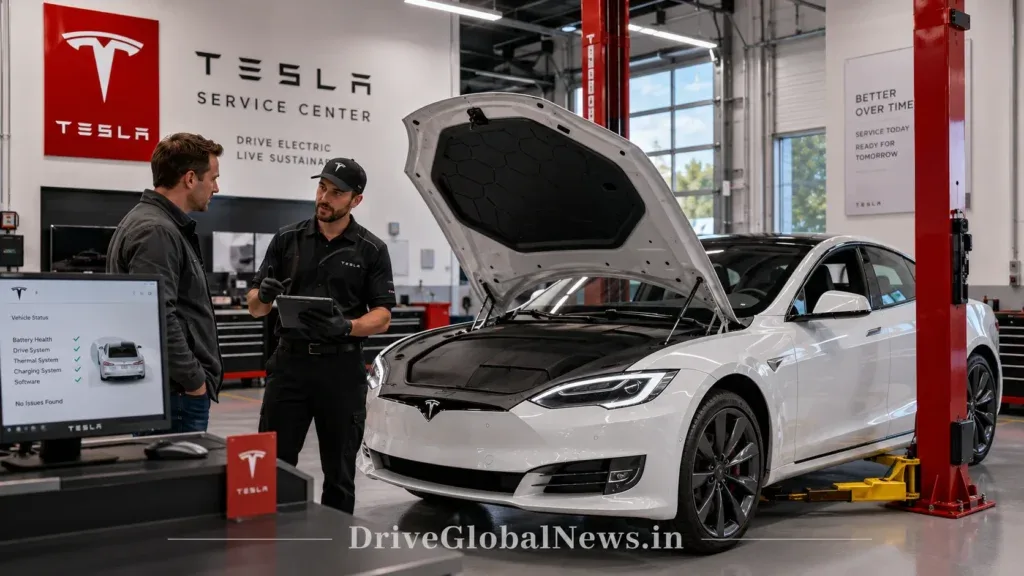
This is where most coverage stops being useful. Yes, the cars are discontinued. Yes, the factory is becoming an Optimus facility. But what does that mean on Tuesday morning when you need your Model S serviced?
Service and support continue. Tesla confirmed explicitly that existing Model S and Model X owners will continue to receive software updates, service, and parts support. This is not like buying a car from a bankrupt company. Tesla isn’t going anywhere — they’re simply not making new ones.
Tesla has historically maintained strong support for discontinued vehicles. The original Roadster still receives limited software attention years after its production ended. The Model S and X, with their much larger combined owner base of 740,000, will receive continued attention because Tesla needs those owners to remain satisfied for reputation purposes alone.
Parts availability is the long-term concern. Not today. Not next year. But five to eight years from now, when your Model S needs a specific body panel or a unique suspension component — the supply chain that produced those parts will have wound down. Third-party suppliers will fill some gaps. Tesla’s own parts inventory will cover others. But the eventual scarcity that comes with any discontinued vehicle will arrive eventually.
For owners planning to keep their Model S or Model X for another decade — document everything now. Know your VIN. Understand which parts are shared with Model 3 and Model Y (many are) and which are unique to the S and X (some critical ones are). The shared parts stay available. The unique ones are what to watch.
Software updates are the wildcard. Tesla’s OTA update system has been the Model S and Model X’s most impressive ongoing feature — the cars genuinely improved over time. Whether that cadence continues for discontinued models at the same pace is genuinely uncertain. Tesla gave no explicit commitment on update frequency for the S and X going forward. The reasonable expectation is security updates and stability patches — but not the feature-adding updates that active production vehicles receive.
The Final Units — What Tesla Did With the Last Ones
There were approximately 596 Model S and Model X units in inventory when production ended.
Tesla raised prices by approximately $15,000 on those remaining units.
Scarcity pricing. Standard practice. Entirely rational from Tesla’s perspective. And for buyers who specifically wanted the last of the line — apparently effective. Reports from Tesla forums suggest the remaining inventory moved quickly once the production-end announcement clarified that these were genuinely the last ones.
The last Model S and Model X buyers paid a premium to be last. For some of them, that’s exactly what they wanted — the car equivalent of a first-edition book or a final-year coin. For others, it was a regrettable necessity of wanting the car at all.
Should You Buy a Used Model S or Model X Right Now?
This is the question that a significant number of buyers are now asking — and it’s more interesting than it might appear.
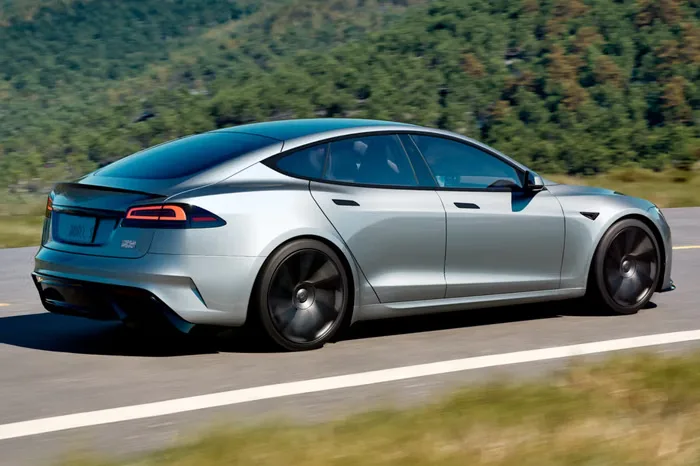
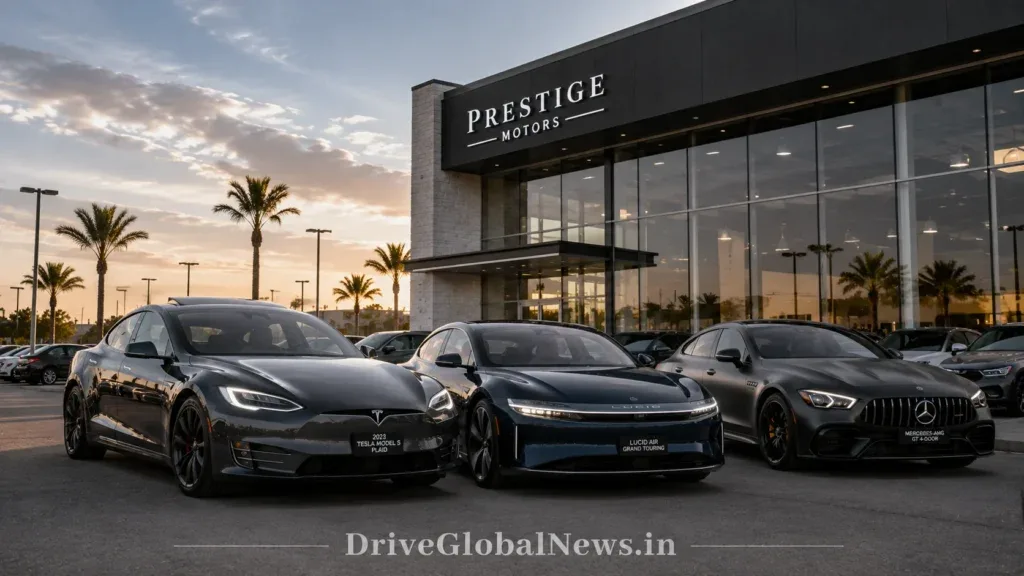
A 2022-2024 Model S Plaid in good condition represents something genuinely unusual in 2026: a discontinued premium electric sedan with no production successor, from a company that has shifted its strategic focus entirely away from this segment.
The case for buying one used: you get the fastest-accelerating production sedan ever made (0-60 in under 2 seconds for the Plaid), a 396-mile EPA range that still leads the American luxury EV market, and interior quality that holds up better than Tesla’s critics suggest at this age. And with production ended, the remaining used supply is what it is — fixed. Not growing.
The case against: the service uncertainty discussed above is real over a long horizon, the software update trajectory is unknown, and the luxury EV segment has competitors in 2026 — the Lucid Air Grand Touring at 516 miles, the Mercedes AMG GT 4-Door at 1,000+ HP, the BMW iX3 at 400 miles — that didn’t exist in the same form when the Model S was at its peak.
The right buyer for a used Model S or Model X in 2026 is someone who has read all of the above honestly and concluded: the performance, the range, and the ownership experience I’m getting are worth the long-term service uncertainty I’m accepting.
That’s a legitimate conclusion. Just make it with open eyes.
The Bigger Picture — Tesla Is No Longer an Auto Company
Here’s the part that matters beyond the Model S and Model X specifically.
Tesla replacing a car assembly line with a robot assembly line is not a product decision. It’s a declaration about what kind of company Tesla intends to be.
Musk has been explicit: Tesla is a “physical AI company,” not an automaker. The Robotaxi operating in Austin and San Francisco, the Optimus robots targeting 1 million units per year, the FSD subscription business — these are the products Tesla’s leadership believes will generate more value than luxury electric sedans.
Whether that bet pays off is genuinely uncertain. Robotaxis require regulatory approval that proceeds slowly. Optimus robots require customers who don’t yet exist at scale. The autonomous driving technology that underpins both has been “almost ready” for years.
But 740,000 Model S and Model X owners represent one thing that Tesla can point to unambiguously while that bet plays out: proof that Tesla once built cars that people paid $80,000-$150,000 for and genuinely loved.
The robots will have to earn that kind of loyalty from scratch.