The race toward solid-state batteries has a new deadline, and the details remain largely Unknown. China now aims to put mass-produced solid-state batteries into vehicles by 2030, according to state-linked industrial reporting, yet the world’s largest battery maker is already tempering expectations. That combination of a hard target and a soft technical forecast deserves scrutiny, because it shapes what American buyers can realistically expect from the next generation of electric vehicles.
Contemporary Amperex Technology Co. Limited, better known as CATL, has publicly acknowledged that mass production of solid-state cells remains difficult. The company supplies batteries to Tesla, Ford, BMW, and nearly every major automaker selling EVs today. When CATL signals caution, the entire industry listens. Therefore, the 2030 target looks less like a manufacturing schedule and more like a policy aspiration.
Unknown Technical Barriers Stand Between Labs and Showrooms
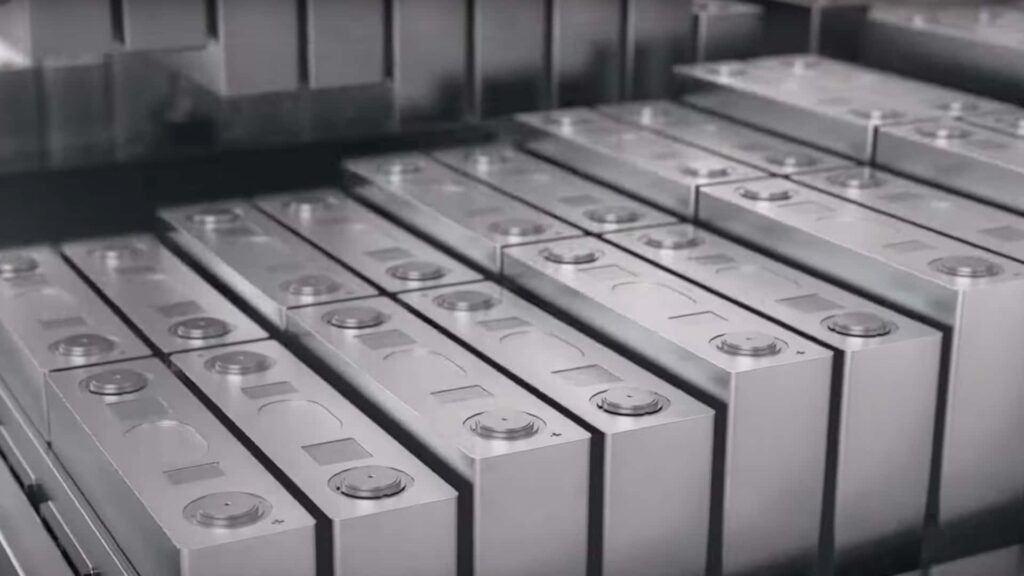
Solid-state batteries replace the liquid electrolyte in today’s lithium-ion cells with a solid material. That change promises higher energy density, faster charging, and reduced fire risk. Moreover, it could deliver ranges beyond 600 miles without adding weight. Laboratory prototypes have demonstrated these gains repeatedly.
Scaling those prototypes to millions of vehicles is another matter entirely. Engineers must solve interfacial resistance between the solid electrolyte and the electrodes. Dendrite formation can short a cell from the inside. Manufacturing tolerances tighten dramatically when a solid layer must bond perfectly across a large format cell. None of these barriers has a confirmed commercial solution.
CATL has not announced a specific chemistry, a production volume, or a price per kilowatt-hour for its solid-state program. Therefore, any range figure or cost estimate circulating online remains unverified. The company’s own statements describe the timeline as a goal, not a commitment. That distinction matters for anyone planning a purchase around 2030.
China’s Industrial Push Meets Physics
Beijing’s industrial policy has repeatedly compressed timelines for solar panels, lithium refining, and conventional lithium-ion cells. Consequently, observers assume the same playbook will work for solid-state technology. However, the remaining obstacles are materials science problems, not simply scale problems. Government funding cannot force a chemistry to stabilize faster.
Semisolid approaches offer a middle path. Several Chinese automakers already sell vehicles with gel-like electrolytes that sit between conventional liquid cells and true solid-state designs. These packs deliver modest gains rather than the leap that headlines promise. Therefore, buyers should treat 2030 as the beginning of a transition, not the arrival of a finished product.
The pattern echoes other unverified claims we have covered, including the persistent BMW i3 range claim of 468 miles that never materialized in production form. Automakers benefit from speculation, because it freezes buyer decisions. Meanwhile, the actual engineering work continues at a slower pace.
What Solid-State Batteries Mean for American Buyers
Today’s EVs already satisfy most daily driving needs. A 300-mile crossover covers commutes, errands, and weekend trips with minimal inconvenience. Therefore, waiting four or five years for a technology that may slip further is a costly strategy. Depreciation, financing costs, and lost convenience add up during that wait.
Automakers in the United States have not confirmed which models will receive solid-state packs first. Luxury flagships will likely lead, following the pattern set by every previous battery generation. Mass-market vehicles would follow years later, if at all. Consequently, the 2030 target probably affects a small number of expensive vehicles initially.
Charging infrastructure remains the more immediate constraint. A 600-mile battery means little without reliable fast chargers along the route. Furthermore, grid capacity and connector standards still vary by region. Buyers weighing an EV purchase today should focus on those practical factors rather than distant battery breakthroughs.
The Competitive Picture Remains Murky
Toyota, Nissan, and several Korean manufacturers have announced their own solid-state timelines, most clustering between 2027 and 2030. None has confirmed production pricing. Therefore, the competitive landscape rests on press releases rather than delivered products. The first company to ship a genuine solid-state pack at scale will reset the market.
Reuters has reported on China’s battery ambitions and the technical hurdles involved, noting that industry analysts remain skeptical of near-term timelines. That skepticism is warranted. Every previous battery breakthrough has taken longer and cost more than early projections suggested.
CATL’s caution, however, may be strategic. Underpromising gives the company room to surprise investors later. Moreover, a public admission of difficulty can pressure governments for additional subsidies. Therefore, the messaging serves multiple purposes beyond pure engineering honesty.
Frequently Asked Questions
Q: What are solid state batteries and why do they matter?
Solid state batteries replace liquid electrolytes with solid materials, offering higher energy density and improved safety. They could enable longer EV ranges and faster charging, which is why China and CATL are racing to commercialize them.
Q: Why does CATL say mass production is hard?
CATL points to manufacturing complexity, material stability, and cost barriers. Scaling solid state batteries from lab to factory requires new production lines and consistent quality, which remains unproven at the volume China targets by 2030.
Q: When will solid state batteries actually arrive in EVs?
China aims for mass production by 2030, but no verified timeline exists. CATL and rivals are still testing prototypes. Realistically, early solid state EVs may appear after 2030, with widespread adoption taking longer. For more details, check our recent coverage on 4 Arrested, Race Car Seized in NY Illegal Drag Race Bust.
What Buyers Should Do Now
Option One is to buy an EV available today if it meets your driving needs. Current lithium-ion packs are proven, warrantied, and supported by a growing charging network. Option Two is to lease rather than buy, which limits exposure to rapid technology shifts over the next three years. Option Three is to wait only if you can accept that the 2030 target for mass-produced solid-state batteries remains Unknown and may slip again.
The smartest approach combines patience with realism. Track confirmed announcements from automakers, not speculation from social media. When a manufacturer publishes production volume, pricing, and a delivery date, that is news. Until then, treat every solid-state claim as unverified. The technology will arrive eventually, but the timing stays Unknown.